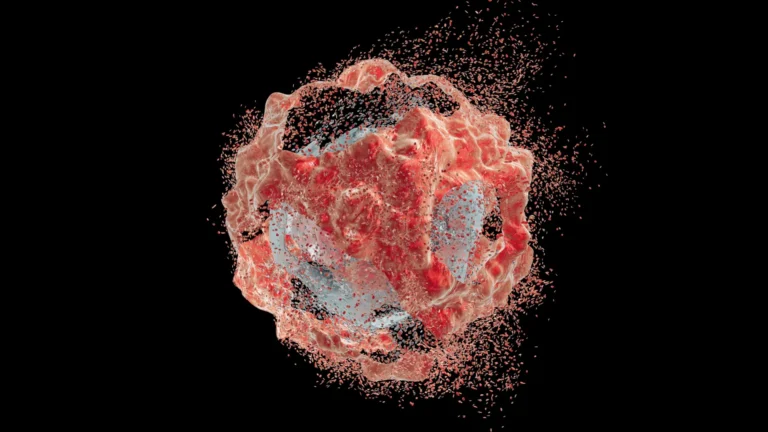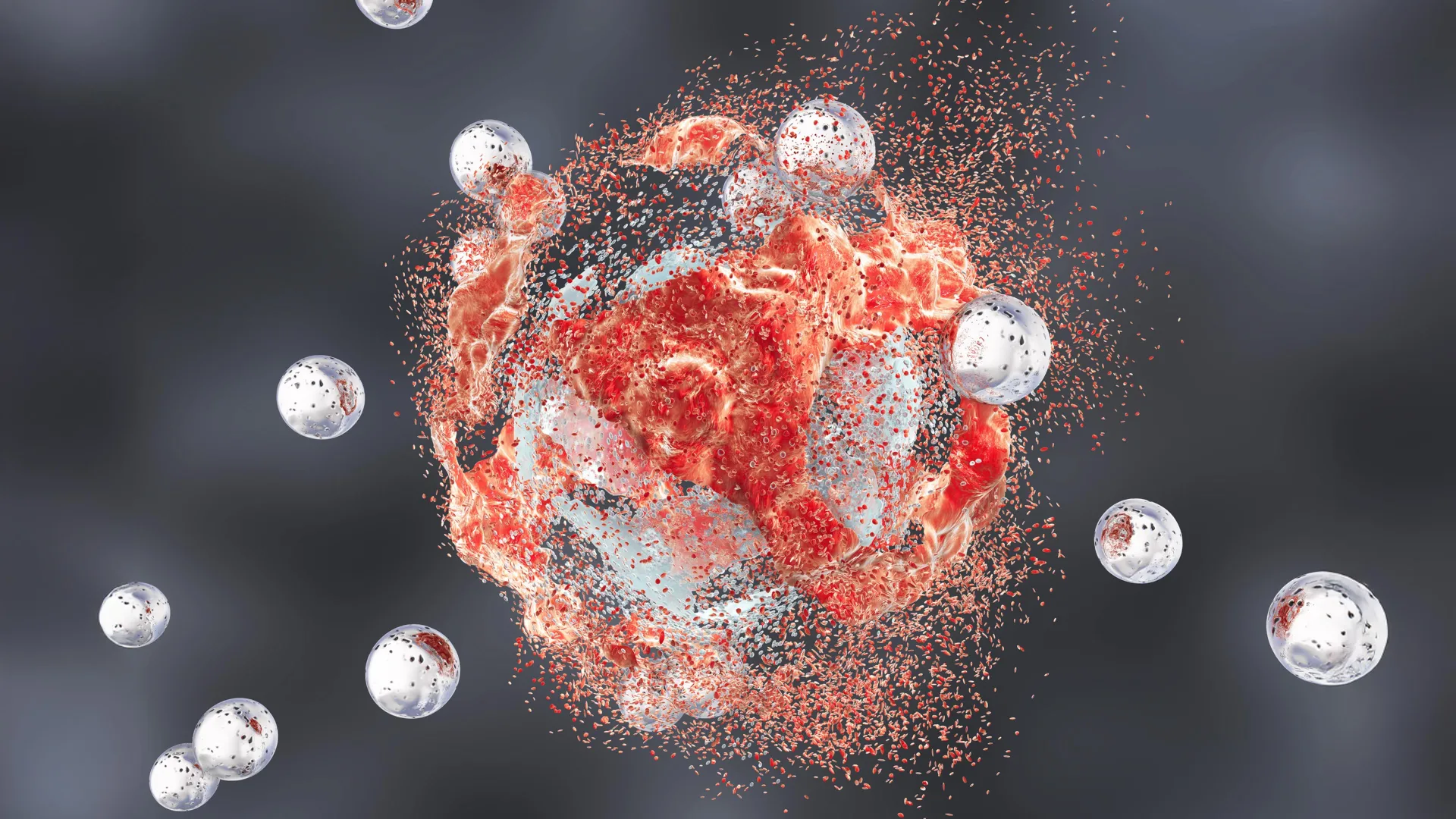
In a potential paradigm shift for oncology, researchers from Weill Cornell Medicine and the Cornell Duffield College of Engineering have unveiled a groundbreaking therapeutic approach: the use of ultra-small, engineered silica nanoparticles capable of simultaneously destroying aggressive prostate tumors and re-arming the body’s immune system to sustain the attack.
The study, published June 15 in the journal Cancer Research, details how these particles—known as Cornell Prime dots, or "C’ dots"—target cancer cells with surgical precision while leaving healthy tissue unscathed. In preclinical trials involving mice, this dual-action strategy resulted in complete tumor remission in up to 50% of subjects, offering a glimmer of hope for patients with aggressive, treatment-resistant prostate cancer.
Main Facts: The Power of C’ Dots
At the heart of this innovation are "C’ dots," particles composed of amorphous silica, a naturally occurring silicon dioxide found in various foods and microscopic organisms. Originally designed for high-resolution medical imaging, these particles have already cleared significant hurdles, having advanced to late-stage clinical trials for image-guided surgery.
The research team, led by Dr. Michelle Bradbury and Dr. Ulrich Wiesner, discovered that these particles possess an unexpected, potent anti-tumor functionality. Unlike traditional chemotherapy, which often results in systemic toxicity, the C’ dots appear to operate through a two-pronged mechanism:
- Direct Induction of Ferroptosis: The particles trigger a specialized form of cell death known as "ferroptosis." Driven by intense oxidation, this process dismantles the fatty molecules of cell membranes, effectively causing the tumor cells to collapse.
- Immune System "Heating": The particles transform the tumor microenvironment from a "cold," immune-resistant state—where cancer often hides from the body’s defenses—into a "hot," immune-active state. This transition allows T cells and macrophages to recognize and infiltrate the tumor, effectively turning the body’s own biology against the malignancy.
Chronology of Discovery: From Imaging to Therapy
The evolution of C’ dots from diagnostic tools to therapeutic agents is the result of a long-standing interdisciplinary collaboration.
- The Imaging Era: Dr. Ulrich Wiesner’s laboratory in the Department of Materials Science and Engineering first developed these ultrasmall fluorescent core-shell silica nanoparticles as a means to improve the precision of medical imaging. Their unique size and composition allowed them to accumulate selectively in tumor tissue.
- The Therapeutic Realization: As the technology moved through clinical trials for imaging, researchers noticed that the particles were not merely "passive observers" of the tumor. They began to investigate the biological interactions between the silica particles and the cancer cells, discovering that the nanoparticles could be engineered to deliver therapeutic effects.
- Mechanistic Validation: Over the last few years, the team, including co-first authors Drs. Nabil Siddiqui, Li Zhang, and Gabriel DeLeon, worked to define the "how" behind this phenomenon. They determined that the particles act as a catalyst, pulling positively charged iron ions from the bloodstream into the tumor cells, which then fuels the oxidative stress necessary for ferroptosis.
- The Current Study: The latest milestone, published this summer, demonstrates the efficacy of these particles in vivo. By combining C’ dots with immune checkpoint blockade therapy, the team achieved unprecedented survival rates in mice with aggressive prostate cancer.
Supporting Data: Survival and Synergy
The strength of the findings lies in the synergistic effect of the nanoparticle therapy. The researchers conducted rigorous survival studies to determine the efficacy of the C’ dots, comparing them against traditional treatments and combinations.
Survival Metrics
- Control Group: Mice receiving no treatment showed rapid tumor progression.
- Monotherapy: Using either C’ dots alone or immune checkpoint blockade alone resulted in only modest improvements in survival.
- Dual Therapy: The combination of C’ dots and immune checkpoint blockade resulted in complete or near-complete remission and indefinite survival in 4 out of 10 mice.
- Triple Therapy: The addition of a CSF-1R blockade, which specifically targets tumor-associated macrophages, pushed the complete remission rate to 5 out of 10 mice.
Precision Targeting
To ensure the treatment did not affect healthy organs, the team functionalized the particles with a targeting molecule that recognizes PSMA (Prostate-Specific Membrane Antigen), a protein highly expressed on the surface of prostate tumor cells. While minor, transient accumulation was noted in the spleen, the study reported no signs of systemic toxicity, underscoring the potential safety profile of the nanoparticles.
Official Responses and Expert Perspectives
The research has garnered significant attention from the oncology community, particularly for its ability to address the "cold tumor" problem that plagues current immunotherapy efforts.
Dr. Michelle Bradbury, senior author and director of the Molecular Imaging Innovations Institute at Weill Cornell Medicine, expressed optimism regarding the potential for a new clinical paradigm. "We’re very encouraged by these results; a treatment that directly induces tumor-cell death while transforming the immune microenvironment, as this does, would represent a new clinical paradigm," Bradbury said.
Dr. Ulrich Wiesner, co-corresponding author, highlighted the biological mystery of why these particles work so effectively. "It seems unreal—how is it possible that rather than a single pathway, we see all these effects happening simultaneously and only in tumors and not in healthy tissues?" Wiesner noted. He suggests that the ubiquity of silica in the natural environment may have granted it a compatibility with biological systems that researchers are only beginning to understand.
Dr. Jedd Wolchok, an oncologist at NewYork-Presbyterian/Weill Cornell Medical Center and a co-author of the study, emphasized the clinical implications. "One of the most intriguing aspects of this work is the convergence of direct tumor cell killing with broad immune remodeling," Wolchok stated. "By creating conditions that support a more effective antitumor immune response, these particles may help unlock the full potential of immunotherapy in prostate cancer, where durable responses have historically been difficult to achieve."
Implications: The Path Toward Clinical Trials
The results of this preclinical study suggest that C’ dots could become a cornerstone of future cancer treatment protocols, particularly for cancers that have historically resisted conventional immunotherapy.
Toward Human Trials
The ultimate goal for the Weill Cornell team is to move this technology into human clinical trials. Because the particles have already undergone initial testing for imaging, they possess a regulatory head start compared to entirely new chemical compounds. The research team is currently working to refine the delivery mechanisms and optimize the "cocktail" of therapies—the nanoparticles combined with checkpoint blockades—to ensure maximum safety and efficacy for human patients.
A New Class of Therapies
This research establishes a framework for a new class of "multi-modal" therapies. By influencing inflammatory, immune, and metabolic pathways simultaneously, the C’ dots provide a "sledgehammer" effect that is remarkably precise. If successful in humans, this could extend beyond prostate cancer to other solid tumor types, potentially providing a durable treatment option for patients who have exhausted all other therapeutic avenues.
The study serves as a testament to the power of cross-disciplinary innovation. By combining material science, radiology, and immunology, the Cornell team has bridged the gap between fundamental chemistry and life-saving medicine. As the team moves forward, the medical community will be watching closely, waiting to see if these tiny particles can provide the "big" breakthrough that prostate cancer treatment so desperately requires.
Funding and Acknowledgments:
This research was supported by the Department of Defense (PC220534); the National Cancer Institute (R01CA253658, R01CA243085, U54CA199081, P30 CA008748); and the Parker Institute for Cancer Immunotherapy. Drs. Michelle Bradbury and Ulrich Wiesner are named as inventors on patents related to the technology discussed.