








The maritime industry and international health authorities are grappling with an unprecedented medical emergency as a deadly hantavirus outbreak aboard the MV Hondius has triggered a complex, multi-national containment effort. With 11 cases now identified—nine of which have been confirmed—and three fatalities already recorded, the incident marks the first time a cruise ship has served as the epicenter for an outbreak of this rare and lethal pathogen.
The situation remains fluid, characterized by high-stakes medical interventions, delicate international repatriations, and an intensive investigation into the origins of a virus that typically dwells in remote wilderness areas, not aboard luxury expedition vessels.
The Critical State of Patients and Medical Intervention
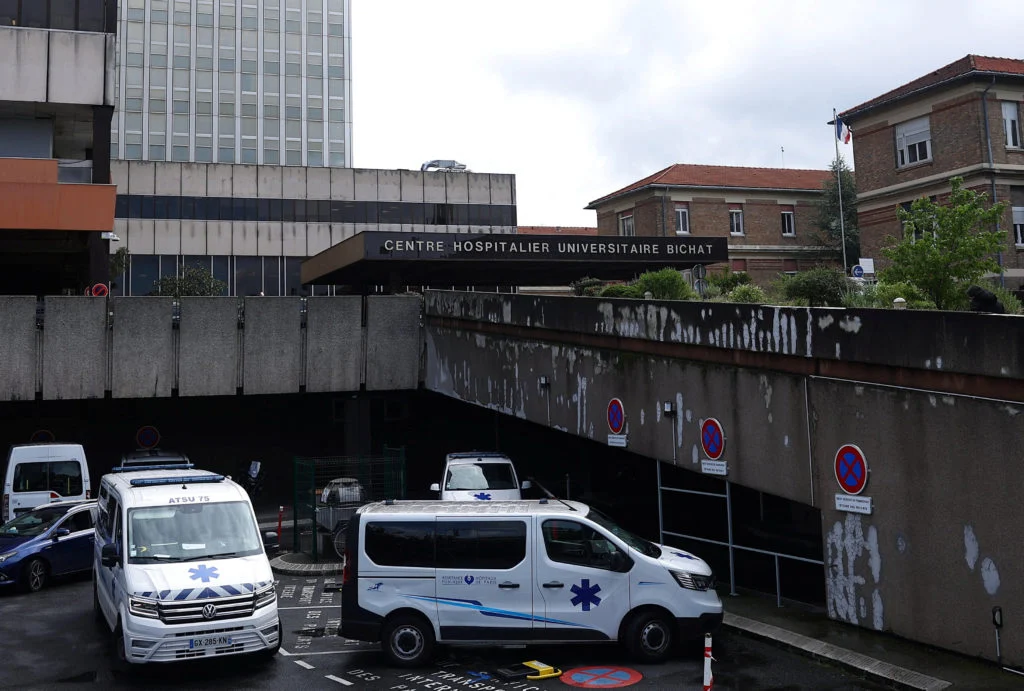
At the heart of the crisis is the desperate battle to save those currently suffering from the most severe manifestations of the virus. In Paris, a French passenger is fighting for her life at Bichat Hospital. According to Dr. Xavier Lescure, an infectious disease specialist, the patient is suffering from acute, life-threatening pulmonary and cardiac distress caused by the hantavirus.
"We are providing the final stage of supportive care," Dr. Lescure noted during a press briefing on Tuesday. The patient is currently being maintained by an extracorporeal membrane oxygenation (ECMO) machine. This sophisticated life-support device acts as an artificial lung, bypassing the patient’s damaged respiratory system to oxygenate blood directly before returning it to the body. Medical teams are utilizing this extreme measure in hopes that it will relieve the critical pressure on the woman’s lungs and heart, providing the necessary window for potential recovery.
The prognosis for such cases remains guarded. While the World Health Organization (WHO) emphasizes that early detection and aggressive treatment are the primary levers for survival, the virus has no specific vaccine or cure, leaving medical professionals to rely on supportive therapy while the patient’s immune system attempts to clear the infection.
Chronology of a Crisis: From South America to the Atlantic
The timeline of the MV Hondius outbreak traces a path from South American shores to the high seas, eventually culminating in a massive logistical evacuation operation in the Canary Islands.
- Initial Exposure: Health officials have identified a Dutch couple as the "patient zero" cluster. The couple had spent several months trekking through Argentina and neighboring South American countries. Investigations suggest the pair engaged in a bird-watching excursion near a landfill site, where they likely came into contact with aerosolized rodent droppings—the primary transmission vector for hantavirus.
- The Onset of Symptoms: After boarding the MV Hondius, the couple began showing signs of illness. Tragically, both individuals succumbed to the disease shortly thereafter.
- Containment and Evacuation: As reports of respiratory illness surfaced among other passengers, the ship’s operator, Oceanwide Expeditions, initiated emergency protocols. The vessel diverted to Tenerife, where a carefully orchestrated evacuation took place.
- The Tenerife Operation: Concluding Monday night, the operation saw 87 passengers and 35 crew members offloaded by personnel wearing full-body biohazard suits and respiratory protection. The passengers were immediately triaged and subsequently flown to their home countries—including the Netherlands, Australia, and New Zealand—under strict quarantine conditions.
- Current Status: The MV Hondius is currently sailing toward Rotterdam, where it will undergo deep cleaning and disinfection procedures.
Supporting Data: Understanding the Pathogen
The hantavirus detected in this outbreak is a specific strain—the Andes virus. While most hantaviruses are transmitted exclusively from rodent to human, the Andes strain is unique in its potential for human-to-human transmission, which has significantly escalated the global concern surrounding this incident.
The incubation period for the virus is notoriously long, ranging from one to eight weeks. This latency period is the primary source of anxiety for public health officials. Even as the current passengers are in quarantine, there remains a statistical possibility that additional cases may manifest in the coming weeks.
The demographic spread of the infection is geographically diverse. On Tuesday, the Spanish health ministry confirmed that a Spanish passenger had tested positive for the virus after being evacuated from the ship. The individual is currently being held in a military hospital in Madrid, highlighting the international scale of the contact tracing effort.
Official Responses and Global Coordination
The World Health Organization (WHO) has stepped in to coordinate the global response, with Director-General Tedros Adhanom Ghebreyesus providing regular updates to the international community.
"At the moment, there is no sign that we are seeing the start of a larger outbreak," Dr. Tedros stated, urging calm while acknowledging the severity of the situation. However, he emphasized that the organization’s reach is limited by the sovereignty of individual nations. The WHO has issued a strong advisory recommending that all returning passengers undergo a 42-day quarantine period, either in their homes or at dedicated state-run facilities.
In Argentina, the health ministry has mobilized a specialized team of scientific experts to retrace the steps of the initial victims. Their mission is to survey the garbage dumps and rural habitats in the region where the Dutch couple toured, assessing the rodent populations to confirm the specific source of the outbreak. This mission has become a point of diplomatic tension, as local authorities in the departure province have disputed the theory that the outbreak originated on their soil.
Implications for Public Health and the Cruise Industry
The incident has triggered a cascade of secondary crises, including internal hospital failures. At the Radboud University Medical Center in the Netherlands, twelve staff members have been placed in mandatory six-week quarantine. The hospital admitted that blood and urine samples from a patient who had tested positive for hantavirus were handled without following the required, rigorous safety procedures. While the hospital maintains that the risk of transmission to staff is "low," the preventive measure highlights the high degree of caution now being exercised by medical institutions worldwide regarding the virus.
For the cruise industry, the implications are profound. The MV Hondius is currently under scrutiny regarding when it will be permitted to resume operations. Ship operators are now forced to confront the reality that expedition cruising—which often takes passengers into remote, ecologically sensitive areas—carries biological risks that are rarely encountered on traditional Caribbean or Mediterranean itineraries.
The incident also highlights the complexities of modern, globalized travel. When an outbreak occurs on a vessel, the resulting public health challenge involves a labyrinth of international jurisdictions, varying medical standards, and the high-speed transit of potentially infected individuals across borders.
Future Outlook
As the MV Hondius makes its way to Rotterdam for decontamination, the international health community remains in a state of high alert. The primary focus for the next 42 days is surveillance. If the incubation period passes without significant secondary transmission, the outbreak may be contained. However, the potential for human-to-human spread means that health ministries in the Netherlands, Spain, Australia, New Zealand, and beyond must remain vigilant.
The tragedy of the Dutch couple and the critical condition of the French patient serve as a sobering reminder of the volatility of infectious diseases. As the investigation into the Argentine landfill sites continues, scientists hope to gain a better understanding of the Andes virus’s mutations and its transmission dynamics. For now, the global response rests on the pillars of quarantine, meticulous contact tracing, and the hope that the medical support systems currently in place are enough to prevent further loss of life.
The MV Hondius outbreak is not merely a cruise ship story; it is a case study in modern pandemic preparedness. It underscores the fragility of our containment systems and the necessity for global cooperation in the face of pathogens that do not recognize borders, maritime law, or the boundaries of a ship’s hull. As the world watches, the lessons learned from this incident will likely redefine health safety protocols in the cruise industry for years to come.