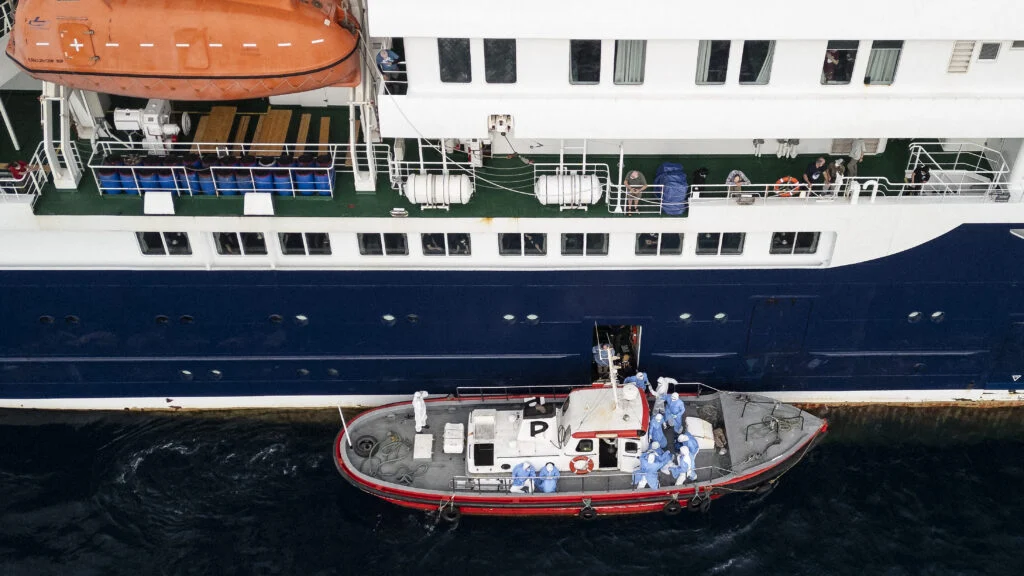
In an unprecedented maritime health crisis, the cruise ship MV Hondius has become the epicenter of a rare and concerning outbreak of Andes hantavirus. The vessel, currently navigating toward the Canary Islands, is at the heart of an international investigation as health authorities grapple with the complexities of human-to-human transmission of a virus typically associated with rodent contact. With the World Health Organization (WHO) coordinating a delicate repatriation effort, the situation highlights both the vulnerabilities of global travel and the necessity of international scientific cooperation in an era of shifting geopolitical alliances.
The Current Situation: A Vessel in Transit
As of this weekend, the MV Hondius is under strict international oversight as it makes its way to a designated docking site off the coast of Tenerife, Spain. The move follows direct intervention by Dr. Tedros Adhanom Ghebreyesus, the Director-General of the World Health Organization, who successfully negotiated the landing with Spanish authorities to ensure the safety of the remaining 145 passengers and crew members representing 23 different countries.
While the vessel is moving, the mood onboard—once described as fraught with anxiety—is reportedly stabilizing. The ship is currently free of any active, symptomatic patients; those who fell ill, including the ship’s primary physician, were previously evacuated to the Netherlands for specialized care. The current priority for the WHO and the home nations of those on board is the systematic assessment and safe repatriation of the remaining individuals, a process complicated by the virus’s deceptive nature.
Chronology of an Evolving Crisis
The timeline of the MV Hondius outbreak is a testament to the challenges of modern epidemiology. The working hypothesis remains that the index cases—a couple who boarded the ship in Argentina—were exposed to the virus prior to embarkation.
- Pre-Voyage: During a bird-watching expedition through Chile, Uruguay, and Argentina, the couple visited regions known to host the specific species of rodent that carries the Andes virus.
- The Incubation Gap: Because hantavirus possesses an incubation period of up to six weeks, the couple likely remained asymptomatic during the initial days of the cruise, unknowingly bringing the pathogen into the confined environment of the ship.
- Detection: As symptoms began to emerge, the ship’s medical staff faced the reality of a rare, high-consequence pathogen. The subsequent identification of the virus as the Andes strain sent shockwaves through the global public health community, given that this specific strain is the only hantavirus definitively linked to person-to-person transmission.
- Present Day: The vessel is in a state of transit, with global health agencies monitoring potential secondary and tertiary contacts across dozens of nations.
Scientific Analysis: Understanding the Andes Virus
The Andes virus is a formidable adversary. Unlike more common viral respiratory infections, its mode of transmission remains a subject of intense study. While rodents are the primary reservoir, the rare capacity for human-to-human spread—documented most significantly during the 2018-2019 outbreak in Epuyén, Argentina—makes this a high-stakes event.
The Dynamics of Confined Spaces
Epidemiologists are currently drawing parallels between the MV Hondius and the Epuyén outbreak, where a large, crowded social gathering served as a catalyst for transmission. Experts note that the cruise ship environment, while technologically advanced, essentially mimics these conditions: a closed ecosystem where close contact is unavoidable.
Global Genomic Surveillance
To better understand if the virus has evolved or mutated, international laboratories in South Africa, Switzerland, and Senegal are currently sequencing the viral samples retrieved from confirmed cases. This genomic data will be crucial in determining whether the virus underwent any adaptation that facilitated its spread within the ship’s ventilation and cabin layouts, or if the transmission occurred through direct, close-proximity contact.
Official Responses and Geopolitical Cooperation
Perhaps the most notable aspect of this crisis is the diplomatic framework supporting the medical response. Despite recent political shifts—specifically the withdrawal of both the United States and Argentina from the WHO—both nations have maintained transparent and high-level communication with the agency.
The Role of International Treaties
The International Health Regulations (IHR) have proven vital. This legally binding treaty allows for the seamless flow of information between member states and those that have formally withdrawn. WHO officials, including Anaïs Legand, the technical lead on viral hemorrhagic fevers, have praised the daily, frank, and productive interactions with the U.S. Centers for Disease Control and Prevention (CDC).
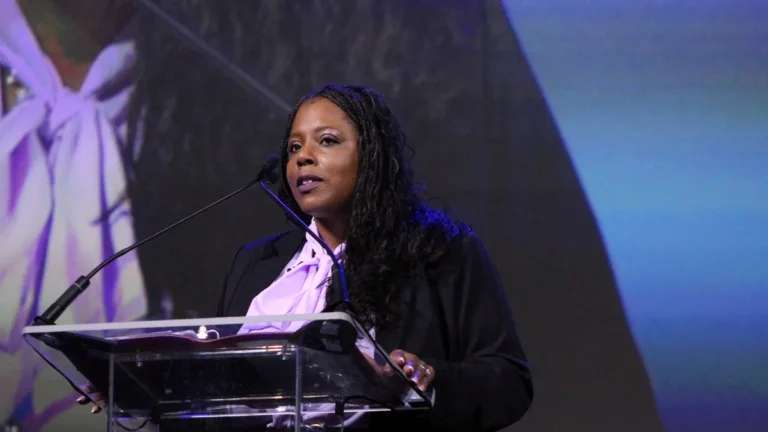
Dr. Tedros, reflecting on the necessity of this collaboration, emphasized a sobering reality: "Viruses don’t care about our politics and they don’t care about our borders. The best immunity we have is solidarity." His plea for these nations to reconsider their withdrawal remains a central theme of the agency’s public messaging.
Implications for Global Public Health
The MV Hondius outbreak serves as a stark reminder of the "long tail" of epidemic management. As people disembark and return to their respective nations—ranging from New Zealand to Ukraine—the potential for secondary cases remains a primary concern for local health departments.
The Burden of Surveillance
Public health officials worldwide are currently tracing potential contacts, including flight attendants on transport vessels and previous passengers who disembarked before the outbreak was identified. This intensive follow-up process is standard but arduous; because early hantavirus symptoms—fever, muscle aches, and fatigue—are non-specific, distinguishing them from common influenza or other respiratory illnesses requires significant diagnostic vigilance.
Future Preparedness
The cruise industry, which relies on the perception of safety and luxury, faces an existential challenge. This event will likely lead to a reevaluation of maritime health protocols, particularly regarding pre-boarding screenings and ventilation standards in areas where rodent-borne diseases are endemic.
Furthermore, the "weeks-to-months" timeframe required to resolve this outbreak highlights the necessity of sustained funding for global health surveillance. As we wait for the final passengers to be processed in Tenerife, the global community is left with a clear lesson: in a hyper-connected world, the health of one is truly the health of all.
Conclusion
The MV Hondius incident is more than a medical story; it is a case study in modern global governance. As laboratories continue their work and the remaining passengers prepare to return home, the focus will shift from immediate crisis management to long-term containment. The success of this effort, measured by the containment of the virus and the recovery of the patients, will likely be a defining moment for international public health coordination in the coming years. For now, the world watches the coast of Tenerife, waiting to see if this rare and elusive virus can be successfully contained before it finds a new foothold in the human population.