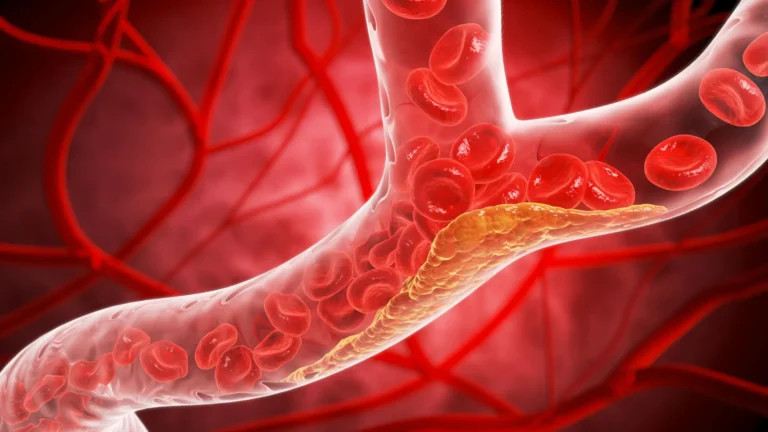












The landscape of women’s health in the United States is facing a critical inflection point. According to a landmark scientific statement published in Circulation, the flagship peer-reviewed journal of the American Heart Association (AHA), the prevalence of cardiovascular disease (CVD) is set to climb at an alarming rate over the next quarter-century. If current trajectories hold, nearly 6 in 10 American women will be living with some form of heart-related illness by 2050.
The report, titled "Forecasting the Burden of Cardiovascular Disease and Stroke in the United States Through 2050 in Women," provides a sobering projection of the health challenges ahead. It identifies not only the clinical rise of heart disease, stroke, and heart failure but also the systemic risk factors—such as uncontrolled hypertension, rising obesity rates, and the impact of adverse social determinants of health—that threaten to overwhelm the U.S. healthcare system.
The Scale of the Burden: Main Facts and Economic Impact
Cardiovascular disease is not merely a health concern; it is the leading cause of death for women in the United States. Currently, approximately 62 million women are living with some form of CVD, a burden that carries an annual price tag of at least $200 billion.
"One in every three women will die from cardiovascular disease—maybe it’s your grandmother, or your mother, or your daughter," says Karen E. Joynt Maddox, M.D., M.P.H., FAHA, chair of the writing group for the AHA report. Dr. Joynt Maddox, a professor of medicine and public health at Washington University School of Medicine in St. Louis, notes that the current projections are not fixed. However, without a fundamental shift in how we approach prevention and wellness, the human and economic costs are destined to climb substantially through 2050.
The report forecasts increases across every major category of cardiovascular illness. From atrial fibrillation to congestive heart failure and stroke, the sheer volume of patients requiring specialized, long-term care will place unprecedented pressure on healthcare infrastructure.
Chronology of Risk: From Childhood to Midlife
One of the most distressing findings in the report is that the foundations of heart disease are being laid far earlier than previously emphasized. While older women currently carry the greatest burden of disease, the risk factors—high blood pressure, diabetes, and obesity—are increasingly present in younger cohorts.
The Childhood Foundation (2024–2050)
The outlook for the next generation is particularly concerning. By 2050, projections indicate that nearly 32% of girls between the ages of 2 and 19 will have obesity—a 12% increase from current levels. This shift is largely attributed to lifestyle factors, with estimates suggesting that more than 60% of girls will experience insufficient physical activity and over 50% will maintain poor dietary habits.
The Young Adult Transition
By 2025, the data already shows a clear trend of rising risk among women in their 20s and 30s. Experts argue that this is a critical window for intervention. Physiological milestones unique to women—such as pregnancy, the transition through perimenopause, and menopause—are pivotal moments where cardiovascular health can either be bolstered or irreparably damaged. Failing to address metabolic health during these developmental stages leaves women vulnerable to chronic conditions that will plague them for the remainder of their lives.
Supporting Data: Disparities and Demographic Trends
The surge in cardiovascular risk is not distributed equally. The AHA report highlights stark disparities among women of color, who are projected to face a disproportionate increase in the burden of disease.
- Hispanic Women: Projections indicate the sharpest rise in high blood pressure, with a projected increase of more than 15%.
- Asian Women: Obesity rates are expected to climb most sharply in this demographic, with a projected increase of nearly 26%.
- Black Women: This group is expected to continue to bear the heaviest burden. By 2050, more than 70% of Black women are projected to have high blood pressure, over 71% are expected to live with obesity, and nearly 28% are projected to have diabetes.
These trends are inextricably linked to social determinants of health, including income inequality, lack of access to nutritious food, poor housing, and systemic barriers to healthcare. As Stacey E. Rosen, M.D., FAHA, president of the American Heart Association and executive director of the Katz Institute for Women’s Health, points out, the impact of these stressors is significant. "The impact is even greater among those experiencing adverse social determinants of health such as poverty, low literacy, and rural residence," Dr. Rosen notes.
Official Perspectives: A Call for Systemic Change
The consensus among the medical community is that while the data is bleak, it is not a death sentence. There are, in fact, "encouraging signs" embedded in the research. High cholesterol levels are expected to decline across most demographic groups, and there are improvements in lifestyle behaviors such as a gradual decrease in smoking rates and a renewed focus on physical activity.
The "Life’s Essential 8" Framework
The American Heart Association continues to advocate for "Life’s Essential 8," a structured approach to heart health that encompasses four health behaviors (healthy diet, physical activity, tobacco cessation, and adequate sleep) and four health factors (weight management, cholesterol control, blood sugar regulation, and blood pressure monitoring).
"I like to call Life’s Essential 8 a prescription for health," Dr. Rosen says. "The majority—as much as 80%—of heart disease and stroke can be prevented. It’s not too late to take the first steps."
The Need for Structural Innovation
Dr. Joynt Maddox emphasizes that while medical advancements in treating acute events like heart attacks have been successful, the current healthcare system is ill-equipped for the proactive management required to prevent those events in the first place. "As a medical community, we have done a great job decreasing deaths from big cardiovascular events, but these data suggest that we need to refocus our efforts on health, wellness, and prevention," she explains.
Implications: A Path Forward
To change the trajectory of these 2050 projections, the report suggests a multi-pronged strategy that moves beyond the doctor’s office.
1. Integrating Heart Health into Daily Life
Prevention efforts must be embedded in schools, community centers, and pediatric clinics. By addressing risk factors in children and adolescents, the healthcare system can potentially prevent the onset of chronic disease before it begins.
2. Early and Aggressive Management
For those already living with risk factors, the standard of care must shift. This includes early check-ins for blood pressure and metabolic health, team-based care models, and the responsible integration of new pharmaceutical interventions, such as the latest class of obesity medications, which hold promise for long-term health management.
3. Addressing the Social Fabric
Health systems must begin to account for the "whole woman." This means designing interventions that consider the realities of transportation, housing, and food security. Tailored programs for women of color are no longer optional—they are an urgent necessity to bridge the widening gap in health outcomes.
4. Specialized Care During Life Stages
Pediatricians and gynecologists play a vital role. Routine screenings should include menstrual history—which can serve as an early indicator of future heart risk—and care plans should be specialized for the unique physiological demands of pregnancy and menopause.
Conclusion: Awareness as Empowerment
The decline in public awareness regarding cardiovascular disease as the #1 threat to women’s health is perhaps the most dangerous trend of all. As the medical community braces for the potential surge in disease by 2050, the responsibility falls not only on policymakers and health systems but also on individual women to be their own advocates.
"Every woman of every age should understand her risk of heart disease and stroke and be empowered to take action to reduce that risk," Dr. Rosen concludes. "Know your numbers, listen to your body, and be an advocate for your health. We can make a difference—we can be the difference."
The future described in the 2050 projections is a cautionary tale, not an inevitability. By utilizing new digital health tools, artificial intelligence, and a renewed commitment to preventive care, the trajectory of women’s cardiovascular health can be rewritten. The science is clear; the path is open. The challenge now is to build the systems necessary to ensure that the next generation of women lives a life free from the burden of preventable cardiovascular disease.