In the high-stakes realm of fetal medicine, few conditions present as daunting a challenge as epignathus—a rare, life-threatening germline tumor arising from the oral cavity. Recently, a medical team at the Hyogo Prefectural Amagasaki General Medical Center in Japan successfully navigated this complex pathology, delivering a baby with a massive, life-threatening oral tumor and achieving a successful outcome. This case, detailed in BMJ Case Reports, serves as a masterclass in multidisciplinary coordination, the application of the Ex Utero Intrapartum Treatment (EXIT) procedure, and the shifting paradigms of prenatal surgical intervention.
The Nature of the Condition: Understanding Epignathus and Fetus-in-Fetu
Epignathus is an exceptionally rare teratoma, occurring in approximately one in every 35,000 to 200,000 deliveries. When researchers analyzed the tumor removed from the infant in this case, they discovered a startling biological composition: nerves, an intestinal tract, adrenal glands, skin, long bones, and even teeth. These findings confirmed a diagnosis of fetus-in-fetu, a rare developmental anomaly where a malformed twin develops within the body of a normal fetus.
The prevailing scientific theory, as explained by Dr. Julianne Lauring of Weill Cornell Medicine, is the "parasitic twin theory." In this scenario, the tumor is not merely a collection of malignant cells, but a disorganized, partially developed sibling that has become reliant on the host fetus for circulation and nutrition. The psychological and physical burden of such a diagnosis on expectant parents is profound, requiring a medical team that can balance technical precision with compassionate, long-term support.
Chronology of a High-Stakes Pregnancy
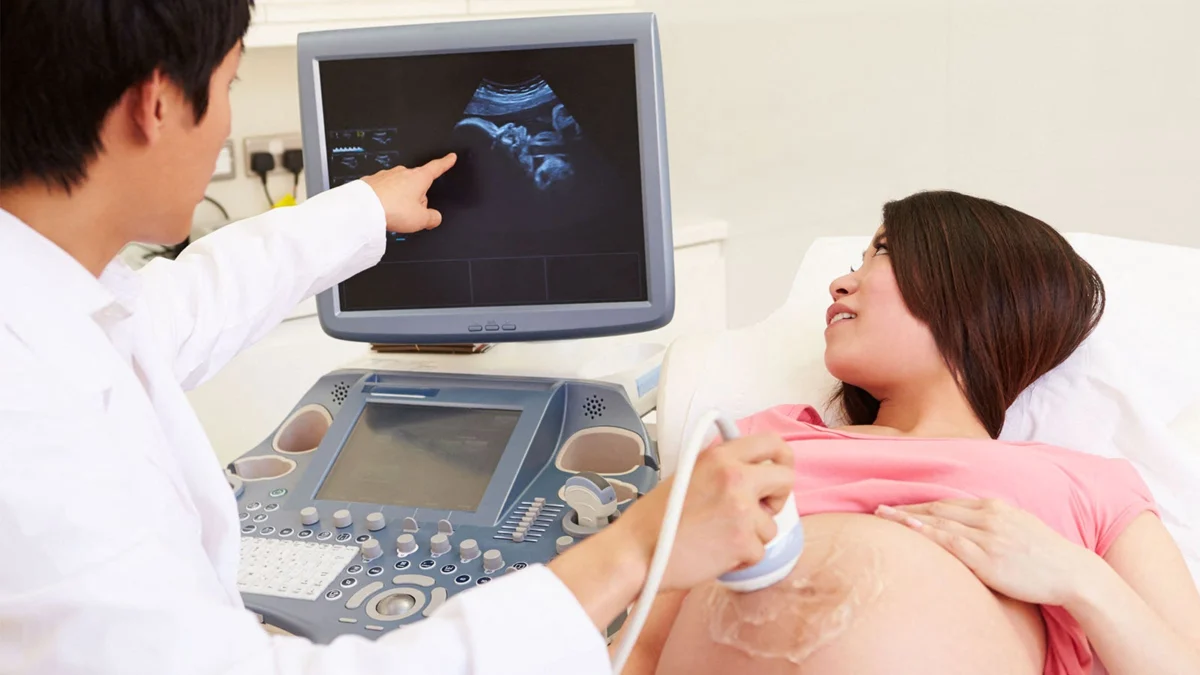
The clinical journey began at a local clinic, where a routine ultrasound at 23 weeks gestation revealed a disturbing anomaly: a tumor protruding from the fetal oral cavity. The mother was promptly referred to a specialized center for advanced imaging. Ultrasonography confirmed a 4-cm mass, and subsequent MRI scans suggested the origin was the pharynx or palate.
As the pregnancy progressed, the tumor grew aggressively, reaching a staggering 14 cm in diameter by the 33rd week. The mass began to complicate the pregnancy significantly, inducing polyhydramnios—an excess of amniotic fluid—and causing gastric shrinkage, which signaled that the fetus was unable to swallow properly. This inability to swallow amniotic fluid is a critical red flag, suggesting potential airway obstruction that could prove fatal the moment the baby began to breathe independently.
At 30 weeks, the mother was admitted to the hospital due to the mounting risk of preterm labor and premature rupture of membranes. The medical team, led by Dr. Riku Suzui, faced a delicate temporal balancing act: they needed to allow the fetal lungs sufficient time to mature, ideally reaching 34 weeks, while simultaneously preventing the onset of natural labor, which would have triggered a catastrophic airway emergency.
The EXIT Procedure: A Surgical Breakthrough
To mitigate the risk of neonatal respiratory distress, the team opted for the Ex Utero Intrapartum Treatment (EXIT) procedure. Unlike a standard cesarean section, the EXIT procedure is a highly orchestrated event designed to bridge the gap between the womb and the outside world.
The Mechanics of the Intervention
The procedure was performed at 34 weeks and 5 days of gestation. The primary objective of an EXIT procedure is to deliver the fetus while maintaining placental support. Because the fetus continues to receive oxygenated blood from the placenta, the medical team is granted a window of time—sometimes minutes, sometimes longer—to secure an airway before the umbilical cord is clamped.
During this specific procedure, the team was meticulously careful to preserve a sufficient volume of amniotic fluid to prevent uterine contractions, placental abruption, or compression of the umbilical cord. To maintain the infant’s physiological stability and prevent heat loss, the team utilized a cardiopulmonary bypass machine, infusing normal saline warmed to 38°C. This level of thermal regulation is vital, as a newborn’s core temperature can drop precipitously when exposed to room air, potentially inducing acidosis and further complications.
Once the tracheal tube was firmly fixed, bypassing the obstruction caused by the tumor, the infant was safely transitioned to the neonatal intensive care unit (NICU).
Supporting Data and Post-Surgical Recovery
The journey did not end in the operating theater. Following the initial stabilization, the infant underwent two subsequent surgeries—on days 16 and 48 of life—to systematically resect the tumor. The complexity of these surgeries cannot be overstated, as the tumor was intricately woven into the facial and oral structures of the infant.
The infant’s recovery was a slow, deliberate process. After extensive testing of oral feeding capabilities, the baby was successfully discharged 96 days postnatally. While rehabilitation will be required for the child to master swallowing and other developmental skills, the long-term prognosis is highly optimistic. Dr. Lauring notes that such conditions, while physically traumatizing, typically do not result in neurological deficits, allowing for a high quality of life as the child matures.
The Debate on Clinical Indications
A significant portion of the BMJ Case Reports study is dedicated to the re-evaluation of when an EXIT procedure is necessary. The authors noted that, in retrospect, MRI images showing amniotic fluid in the pharynx indicated a potentially clear airway. This raises a provocative clinical question: could the baby have been delivered via a standard cesarean section without the significant risks associated with the EXIT procedure?
However, the authors cautioned against abandoning the EXIT protocol in such cases. They cited documented instances of neonatal death occurring when medical teams attempted to secure an airway after the umbilical cord had been cut, only to find the anatomy too distorted to manage. The "risk of difficulty" is simply too high to gamble with. They concluded that the decision-making process must remain dynamic, relying on real-time prenatal findings rather than rigid institutional protocols.
Implications for Future Care
The success of this case underscores two pillars of modern fetal therapy: planning and teamwork. Dr. Lauring emphasizes that in cases like this, the operating room is a microcosm of a hospital’s capabilities. It is not uncommon for 40 to 50 professionals—including pediatric surgeons, neonatologists, anesthesiologists, obstetricians, and specialized nurses—to be present, each with a distinct role in ensuring the safety of both the mother and the fetus.
Key Takeaways for the Medical Community:
- Multidisciplinary Integration: The success of the EXIT procedure relies on seamless communication between the obstetric and pediatric surgical teams.
- Technological Precision: The use of warmed saline and precise fluid management is non-negotiable for fetal stability during long-duration, partially-delivered surgeries.
- Dynamic Indication Criteria: Medical centers should move toward a more personalized approach to EXIT, evaluating specific tumor configuration and swallowing markers rather than relying on a "one size fits all" policy.
- Long-term Support: Beyond the surgical fix, these children require sustained rehabilitative support for feeding and development, highlighting the need for a "cradle-to-childhood" care model.
In conclusion, while epignathus remains a rare and frightening diagnosis for any expectant family, the advances in surgical techniques like the EXIT procedure are fundamentally changing the narrative. What was once considered a tragic inevitability is now, in the hands of expert teams, a condition that can be managed with success, offering a future full of hope for the child and their family. The Japanese medical team’s report serves as a vital reminder that in the face of nature’s most complex errors, human ingenuity and collaborative medicine remain our most effective tools.