




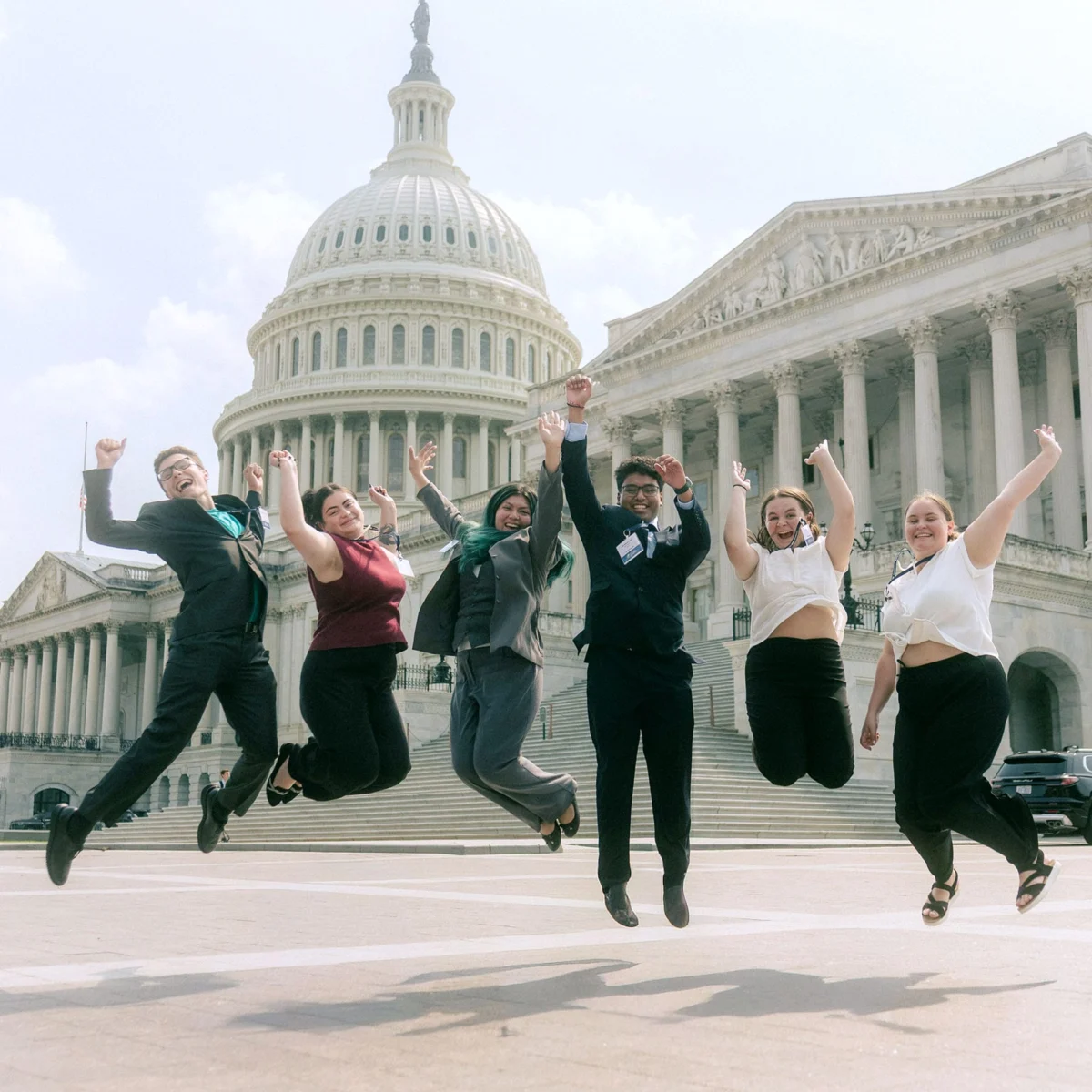
WASHINGTON, D.C. — In a historic mobilization that signaled a paradigm shift in American mental health advocacy, hundreds of young leaders from across the United States converged on Capitol Hill on Thursday, July 16th. Organized by Active Minds, the nation’s premier nonprofit dedicated to mobilizing youth and young adults to transform mental health culture, the inaugural Active Minds Hill Day + Mental Health Conference marked a milestone in the movement to treat mental health as a fundamental human right rather than a peripheral social issue.
The event, which coincided with the anniversary of the launch of the 988 Suicide & Crisis Lifeline, saw advocates from diverse backgrounds and every corner of the country engaging directly with federal lawmakers. Their mission was clear: to move beyond awareness and toward concrete legislative action that prioritizes the psychological well-being of the next generation.
Main Facts: A Landmark Convergence of Youth and Policy
The inaugural Hill Day was not merely a symbolic gathering; it was a sophisticated, data-driven legislative push. Representing communities that are often sidelined in policy discussions, these young advocates participated in 132 individual meetings with congressional offices. Their objective was to urge Congress to strengthen federal support for mental health through specific, actionable policy changes.
Central to their platform were two primary legislative goals:
- Enhancing 988 Visibility: Mandating the inclusion of the 988 Suicide & Crisis Lifeline on student identification cards for both K-12 and higher education institutions.
- Bolstering the Garrett Lee Smith Campus Suicide Prevention Grant Program: Advocating for increased funding and expanded scope to support student-led outreach and early intervention programs.
By bringing "lived experience" to the forefront of the conversation, Active Minds aimed to bridge the gap between those who create policy and those who are most affected by it. The day underscored a growing national consensus: that the youth mental health crisis requires a youth-led solution.
Chronology: From Grassroots Organizing to the Halls of Power
The journey to this historic Hill Day began more than 23 years ago when Alison Malmon founded Active Minds following the tragic loss of her brother to suicide. What started as a single campus chapter has evolved into a national powerhouse with a presence in more than 600 schools and communities.
The Preparation Phase
In the months leading up to July 16th, Active Minds provided intensive training for its advocates. This preparation involved educating young leaders on the nuances of federal budget cycles, the mechanics of bill sponsorship, and the art of "storytelling for impact." Advocates were equipped to present not just their personal narratives, but also the statistical realities of the mental health challenges facing their specific districts.
The Day on the Hill
The morning of July 16th began with a rally of energy and purpose. Advocates, many wearing the signature Active Minds colors, fanned out across the House and Senate office buildings. Throughout the day, the 132 meetings held with staffers and members of Congress focused on the urgency of the current crisis. The timing was intentional; by holding Hill Day on the anniversary of the 988 Lifeline’s launch, the advocates reminded lawmakers of the progress made and the critical gaps that remain.
The Mental Health Conference
As the legislative meetings concluded, the focus shifted to the Active Minds Mental Health Conference. This gathering served as a debriefing and a catalyst for future action. The evening featured a "who’s who" of contemporary mental health advocacy. Sadie Sutton, host of the She Persisted podcast, and Hailey Hardcastle, a renowned TED speaker and mental health advocate, shared the stage with student leaders.
The night culminated in a high-energy performance by artist Be Steadwell, whose music focuses on healing and identity. This transition from policy to community-building highlighted the holistic approach of Active Minds: policy changes the law, but community changes the culture.
Supporting Data: The Urgent Reality of the Youth Mental Health Crisis
The advocacy efforts on Hill Day were backed by sobering data that underscores the necessity of federal intervention. According to the Centers for Disease Control and Prevention (CDC), suicide remains the second leading cause of death for people aged 10–24. Furthermore, recent Surgeon General advisories have labeled youth mental health as the "defining public health crisis of our time."
The Case for 988 Visibility
The 988 Suicide & Crisis Lifeline has been a game-changer since its 2022 launch, but its effectiveness is limited by public awareness. Active Minds points to data suggesting that while nearly 80% of young adults are aware of the existence of a crisis line, far fewer have the number readily available during a moment of acute distress. Placing the number on student IDs—a physical item students carry daily—is a low-cost, high-impact intervention that can save lives in real-time.
The Impact of the Garrett Lee Smith Act
The Garrett Lee Smith (GLS) Campus Suicide Prevention Grant Program is the only federal program specifically dedicated to preventing suicide on college campuses. Since its inception in 2004, it has provided critical funding for mental health services. However, Active Minds advocates argued that current funding levels do not match the skyrocketing demand for services. They presented data showing that campuses with robust, student-led outreach programs see a significant decrease in stigma and an increase in "help-seeking" behaviors among the student body.
Official Responses: Leadership and the "Power of Mobilizing"
The leadership of Active Minds viewed the day as a definitive turning point for the organization and the movement at large.
Alison Malmon, Founder and Executive Director, reflected on the visual impact of the day. "Watching hundreds of young people walk the halls of Congress today reaffirmed what we’ve known for more than two decades: when youth lead, change follows," Malmon stated. "They brought the stories of their communities into the rooms where decisions are made, reminding policymakers that mental health isn’t a political issue—it’s a human one."
Anika Rahman, Director of Policy at Active Minds, emphasized the strategic importance of the 132 meetings. "Today’s conversations reinforced my belief that young people should be the narrators of their own stories," Rahman said. "Their lived experiences, backed by real data and youth-driven solutions, are the most powerful force for shaping the future of mental health policy. By bringing their voices directly to Capitol Hill… we showed the power of mobilizing."
The response from many congressional offices was one of receptive engagement. Staffers noted that the presence of young constituents—those who will be voting and leading the country in the coming decades—brings a level of urgency that professional lobbyists often cannot replicate.
Implications: A Shift in the National Landscape
The implications of the inaugural Active Minds Hill Day extend far beyond a single day of meetings. This event marks the professionalization of youth mental health advocacy at the federal level.
1. Redefining "Expertise" in Policy
Traditionally, policy is crafted by academics, career politicians, and industry lobbyists. Active Minds is successfully arguing that "lived experience" is a form of expertise that is essential for effective governance. By bringing young people who have navigated the mental health system themselves to the table, the organization is ensuring that policies are grounded in reality rather than theory.
2. Bipartisan Potential
Mental health remains one of the few areas in the current political climate with significant potential for bipartisan cooperation. The focus on the 988 Lifeline and the Garrett Lee Smith Act provides "common-sense" ground where both sides of the aisle can find agreement. The Hill Day advocates focused on these pragmatic, non-partisan solutions to maximize the likelihood of legislative success.
3. Long-term Cultural Transformation
The ultimate goal of Active Minds is to change the culture around mental health so that it is "valued and prioritized." By training hundreds of young people to engage with their government, Active Minds is creating a pipeline of future leaders who will carry these values into every sector of society—from corporate boardrooms to school boards.
4. A Template for Future Action
The success of this inaugural event provides a blueprint for other advocacy groups. The combination of a high-level policy push (Hill Day) followed by a community-building event (The Conference) creates a sustainable model for social change. It prevents "advocacy burnout" by replenishing the emotional and social reserves of the activists involved.
As the sun set over the Capitol on July 16th, the message from the youth of America was undeniable: they are no longer waiting for a seat at the table. They are building their own table, and they are inviting the nation’s leaders to join them in creating a future where no young person has to face a mental health challenge alone.
For more information on Active Minds and their ongoing policy initiatives, visit activeminds.org. High-resolution photos of the event and interviews with student advocates are available upon request.