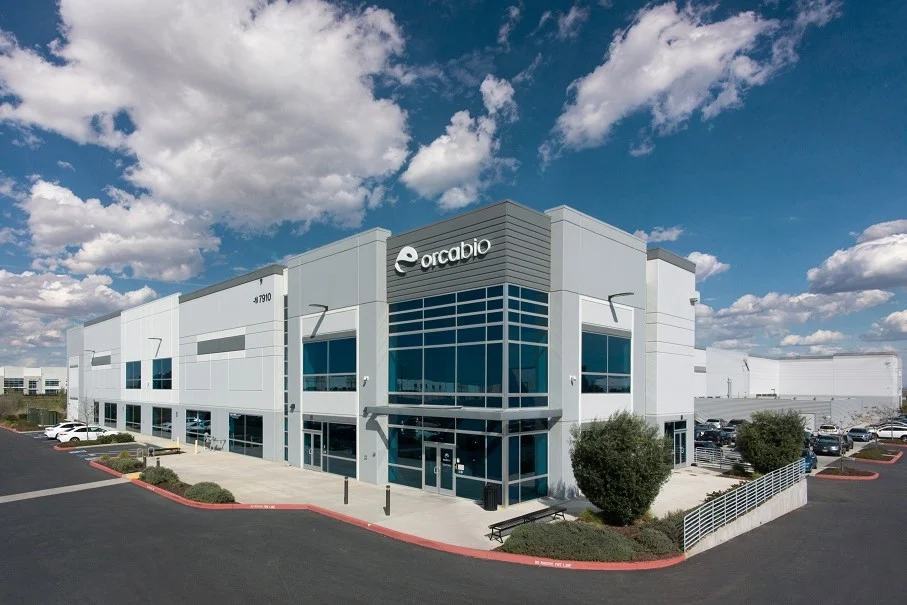
In a landmark decision that could redefine the standard of care for blood cancer patients, the U.S. Food and Drug Administration (FDA) has officially approved Tregzi, a revolutionary cell therapy developed by Menlo Park-based biotechnology firm Orca Bio. This approval marks a watershed moment in immunotherapy: Tregzi is the first commercial product to utilize regulatory T cells (Tregs) to manage the life-threatening complications historically associated with allogeneic stem cell transplants.
For decades, the “gold standard” for treating aggressive blood cancers—such as acute myeloid leukemia (AML), acute lymphoid leukemia (ALL), and myelodysplastic syndromes—has been an allogeneic stem cell transplant. While potentially curative, these procedures carry a harrowing risk: graft-versus-host disease (GVHD), a condition where the donor’s immune system identifies the patient’s body as foreign and launches a systematic attack. Tregzi arrives as a sophisticated, precision-engineered alternative, designed to reconstitute a patient’s immune system while proactively taming the inflammatory responses that lead to GVHD.
The Core Innovation: Sculpting the Immune System
To understand the significance of Tregzi, one must understand the limitations of conventional transplants. In a standard procedure, a patient undergoes a rigorous "conditioning" regimen—essentially chemotherapy or radiation—to eliminate their diseased blood cells. They are then infused with donor blood, which contains a chaotic mix of immune cells. Among these are billions of T cells, which are vital for fighting infection but can also be the primary drivers of GVHD.
Orca Bio’s approach, championed by co-founder and CEO Nate Fernhoff, treats the donor blood not as a crude biological product, but as a medium for artistry. Drawing inspiration from Michelangelo’s philosophy—that a sculpture is already hidden within the marble, waiting to be released—Fernhoff’s team uses proprietary technology to "sculpt" the donor blood.
"The art of what we do is to remove the cells that you don’t want," Fernhoff explained in an interview. "It’s all about the things that you’re removing to leave behind the thing of art."
By isolating and purifying regulatory T cells—a rare subset of immune cells that naturally function as the body’s "brakes" for inflammation—Orca Bio creates a personalized infusion that creates an immune-tolerant environment before the more aggressive, conventional T cells are introduced.
Chronology: From Stanford Research to Commercial Reality
The trajectory of Orca Bio reflects the rapid evolution of modern biotech, moving from academic curiosity to a commercial-scale reality in under a decade.
- Pre-2016 (The Academic Foundation): The foundational science behind the Treg isolation process began in the laboratories of Stanford University. Researchers spent years attempting to solve the "numbers problem"—the fact that Tregs make up only about 1% of the total T cell population in human blood.
- 2016 (The Spin-Out): Orca Bio officially spins out of Stanford to translate the technology into a clinical-grade manufacturing process.
- 2020 (The Big Reveal): After years of operating in "stealth mode," the company emerges with a massive Series D financing round, signaling to the industry that their clinical trials were yielding promising results.
- 2023–2025 (The Phase 3 Milestone): The company conducts an open-label, multicenter Phase 3 clinical trial comparing Tregzi against traditional stem cell transplantation. The results, eventually published in the journal Blood, provide the regulatory data necessary for FDA submission.
- December 2025 (Strategic Funding): Recognizing the massive logistical undertaking required to launch a personalized cell therapy, Orca secures $250 million in aggregate financing.
- June 2026 (Manufacturing Expansion): The company announces a secondary, state-of-the-art manufacturing facility in Princeton, New Jersey, complementing their existing Sacramento hub to ensure nationwide coverage.
- Late July 2026 (The Approval): The FDA grants formal approval for Tregzi, establishing it as the first-ever regulatory T cell-based therapy to enter the commercial market.
Supporting Data: Clinical Efficacy and Patient Outcomes
The FDA’s approval of Tregzi was heavily influenced by the compelling data from the Phase 3 trial. The study focused on a composite primary endpoint: the time to the earliest occurrence of death or the onset of moderate to severe chronic GVHD.
The findings were stark. At the one-year mark, 78% of patients in the Tregzi cohort were alive and free of chronic GVHD, compared to just 38.4% in the control group—a dramatic improvement that underscores the therapy’s ability to prevent long-term post-transplant complications.
Perhaps even more striking was the overall survival data. While the 94% one-year survival rate for the Tregzi arm did not reach the threshold for statistical significance compared to the 83% seen in the control group, investigators viewed it as a vital "hypothesis-generating" outcome. For patients facing terminal diagnoses, a double-digit improvement in survival probability represents the difference between life and death for thousands of individuals.
Safety profiles were also closely scrutinized. Adverse events, such as mucositis (inflammation of the digestive tract), diarrhea, and viral infections, were consistent with the expected side-effect profile of conventional stem cell transplantation, suggesting that adding the Treg-purification step did not introduce new, unforeseen toxicity risks.
Logistics: The 72-Hour Race
One of the most impressive feats of Orca Bio’s business model is the logistical turnaround. Because the Tregs are not frozen or cryopreserved—a process that can damage delicate cells—they must be administered to the patient within a tight window.
The process is a masterpiece of precision supply chain management:
- Collection: Donor blood is harvested and shipped to an Orca manufacturing facility.
- Processing: Using proprietary technology, the blood is "sculpted" to isolate the ultra-purified Treg composition.
- Transit: The final product is shipped directly to the hospital.
- Infusion: The entire cycle from collection to bedside is completed in approximately 72 hours.
This rapid manufacturing timeline is essential, as the cells are biologically active and have a limited lifespan outside the human body. To maintain this efficiency, Orca has strategically placed manufacturing hubs on both the West and East coasts, ensuring that the critical "golden hour" of the therapy is never compromised by cross-country logistics.
Implications: Beyond Blood Cancer
The approval of Tregzi is merely the opening chapter for Orca Bio. CEO Nate Fernhoff is already looking toward the horizon, where "further sculpting" of cells could unlock treatments for a much wider array of conditions.
Reducing Conditioning Intensity
Current stem cell transplants require high-dose conditioning to "clear the field" for the new cells. Orca is currently investigating whether the precision of Tregzi allows for "reduced intensity" conditioning. This would be a game-changer, potentially opening up transplant eligibility to elderly or frail patients who are currently considered too weak to survive the harsh chemotherapy required for traditional procedures.
The Pipeline: Orca-Q
Beyond Tregzi, the company is developing Orca-Q, a next-generation therapy that focuses on further refining conventional T cells. If successful, Orca-Q could allow for a broader range of donor matches, potentially enabling patients to receive transplants from donors who are not perfectly matched siblings or unrelated donors.
The Autoimmune Frontier
Perhaps the most ambitious implication of the Tregzi approval is the potential application for autoimmune diseases. Since regulatory T cells are the body’s natural mechanism for stopping the immune system from attacking "self" tissue, a therapy that can safely deliver high concentrations of these cells could be adapted to treat conditions like Type 1 diabetes, multiple sclerosis, or lupus.
"We are studying how the drug behaves in acute leukemia patients," Fernhoff said. "But it is a very short walk, once you establish your safety profile, to then figure out, if you have a severe autoimmune disease, would a drug like this then make sense to treat those patients as well?"
Economic and Ethical Considerations
With a wholesale price tag of $428,000, Tregzi represents a significant investment by the healthcare system. However, Orca Bio maintains that this cost is justified by the clinical and economic value of the therapy. By significantly reducing the incidence of chronic GVHD—which can require years of expensive, immunosuppressive drugs and frequent hospitalizations—Tregzi may ultimately prove to be cost-effective for health insurers and hospital systems.
As Orca Bio prepares to take its first commercial orders in the coming weeks, the medical community will be watching closely. If Tregzi performs in the real world as it did in the clinical trials, it will not only save lives but will also validate a new paradigm in cellular medicine: that the future of curing disease may not lie in adding new, synthetic components, but in the sophisticated, artful purification of the cells we already possess.