In the sweltering heat of a mid-July afternoon, an 85-year-old woman suffering from dementia sat listless on her couch in Northern California. The ambient temperature inside her home had climbed to a dangerous 95°F after her air conditioning (AC) system failed during a record-breaking 105°F heat wave. She was, for all intents and purposes, a prisoner of her own residence.
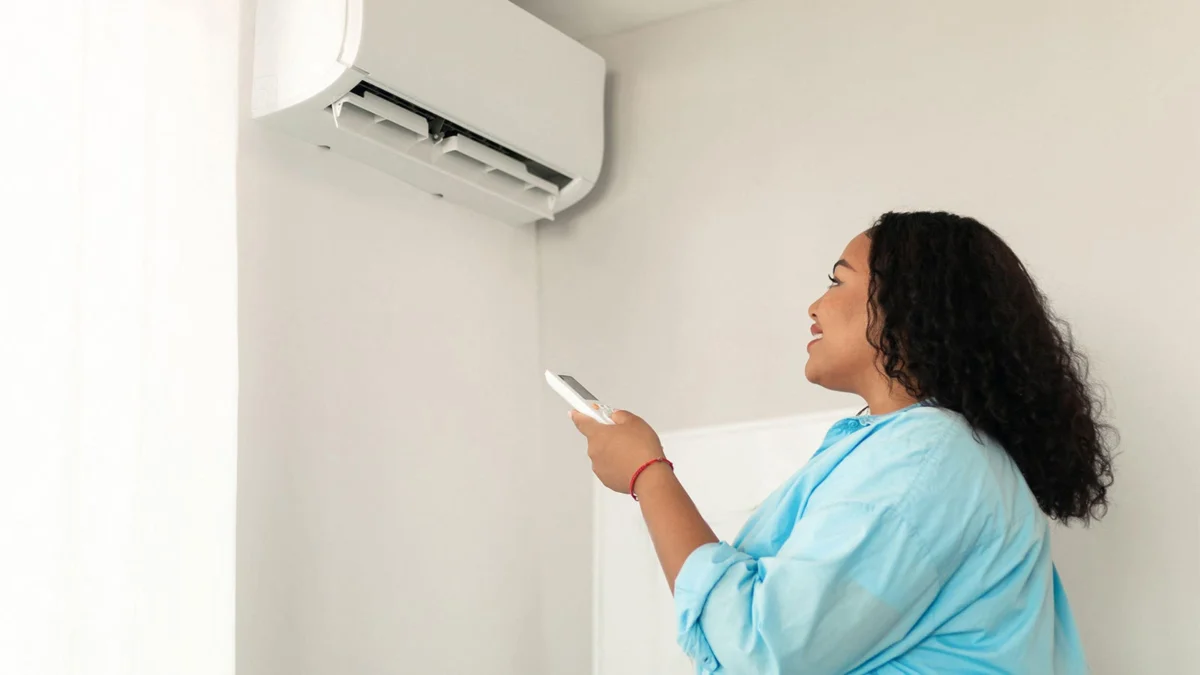
This harrowing scene, recounted by her daughter, Dr. Mary C. Meyer, an emergency medicine physician with two decades of experience, serves as a microcosm for a burgeoning public health crisis. As extreme weather events become the "new normal," the medical community is facing an uncomfortable reality: the most effective life-saving intervention for millions of vulnerable patients may not be a pill or a procedure, but the humble air conditioner.
The Growing Anatomy of a Heat Crisis
For decades, clinicians have focused on managing chronic conditions like hypertension, asthma, and diabetes through pharmacology. Yet, as global temperatures rise, these very conditions are being exacerbated by environmental factors that fall outside the traditional scope of medical practice.
There exists a "Goldilocks zone" for human physiological function. When temperatures deviate significantly from this range, mortality and morbidity rates spike. Heat stroke—a medical emergency with a mortality rate approaching 80%—is merely the tip of the iceberg. The more insidious danger lies in how extreme heat acts as a catalyst for systemic failure in the elderly and the chronically ill.
Between 1999 and 2023, U.S. heat-related mortality surged by 117%. This statistic is not merely a product of rising thermometers; it is a reflection of a failure to adapt infrastructure to the biological needs of a warming population.
Chronology of a Silent Killer
The progression of heat-related illness follows a predictable but often ignored timeline.
- The Onset: As a heat wave initiates, initial symptoms include dehydration, electrolyte imbalances, and heat exhaustion.
- The Escalation: For individuals with underlying cardiovascular or renal disease, the body’s attempt to cool itself—via peripheral vasodilation—places an immense, unsustainable strain on the heart and kidneys.
- The Critical Phase: In the absence of cooling, cognitive decline (dementia) prevents patients from recognizing danger or taking corrective action. This is the stage where "excess deaths" begin to manifest in clinical data.
- The Global Impact: The scale is international. During recent European heat waves, France recorded over 5,700 excess deaths, a significant portion of which occurred within private residences. Because only one-quarter of French households possess AC, the population was left effectively defenseless against the rising mercury.
Supporting Data: The Disparity of Risk
Heat risk is not a democratizing force; it is deeply inequitable. A geographic analysis reveals that a zip code in New York’s East Harlem is twice as vulnerable to heat-related morbidity as a zip code just three blocks away on the Upper East Side.
This disparity is rooted in the "urban heat island" effect, where concrete-dense, low-income neighborhoods trap heat far more effectively than greener, wealthier areas. Furthermore, the 35 million Americans who lack residential AC are disproportionately represented by Black and Hispanic households, as well as the elderly on fixed incomes.
The data, however, provides a clear path forward. Research from the MIT Center for Energy and Environmental Policy Research found that the likelihood of premature death during heat waves dropped by an extraordinary 80% in the United States between 1990 and 2004, a trend attributed almost entirely to the widespread adoption of residential air conditioning. In 2019 alone, AC usage prevented an estimated 47,800 heat-related deaths among elderly Americans.
The Environmental Paradox
The medical community faces a complex dilemma: AC is an environmental scourge. It relies on hydrofluorocarbons (refrigerants that act as potent greenhouse gases), consumes nearly 19% of U.S. residential electricity, and contributes to the very warming that makes its use necessary.
However, from a clinical standpoint, the immediate preservation of life must take precedence. While long-term strategies—such as urban re-greening, sustainable architecture, and the transition to renewable energy—are vital, they do not offer the immediate protection required by an 85-year-old patient in the middle of a 105°F heat wave. The challenge for the next decade is not choosing between the planet and the patient, but finding ways to provide cooling that is both accessible and sustainable.
Official Responses and Policy Implications
The shift in perspective is beginning to permeate policy circles. Health systems are increasingly utilizing "social health screenings" to identify patients at risk, not just for disease, but for "energy insecurity."
Emerging Models of Care
Several innovative programs have begun to bridge the gap between energy policy and healthcare:
- The Clean Power Prescription: Pioneered by Boston Medical Center in 2023, this program addresses energy insecurity by transferring credits from the hospital’s solar energy generation directly to the utility bills of high-risk patients.
- Medicaid Coverage: Thirteen states have already authorized a coverage benefit under Medicaid that allows physicians to prescribe AC units as a medical necessity for vulnerable beneficiaries.
- Data-Driven Interventions: The U.S. Census Bureau’s new "Local Air Conditioning Estimates" and the Energy Information Administration’s reports on utility disconnections are providing clinicians with the granular data needed to target interventions before a crisis occurs.
The Path Toward a "Prescription" Standard
The argument for prescribing AC is not merely compassionate; it is fiscally sound. The cost of a portable air conditioning unit or a subsidized electricity bill is a fraction of the cost of an emergency department visit, a multi-day ICU stay for heat stroke, or the long-term rehabilitation required after a heat-related cardiac event.
For physicians like Dr. Meyer, the call to action is clear:
- Insurers: Medicare and Medicaid in all 50 states must recognize AC as a standard medical benefit for high-risk, low-income populations.
- Health Systems: Hospitals should move beyond the clinical setting and invest in the "social determinants of health" by partnering with energy providers to prevent utility shut-offs for patients with chronic illnesses.
- Clinicians: Physicians must begin to document heat-vulnerability as a formal diagnosis, triggering the same protective measures as a prescription for oxygen or a wheelchair.
Conclusion: A Seasonal Disease
Heat-related illness is no longer an anomaly; it is a regularly recurring, predictable seasonal disease. By continuing to treat it as an environmental inconvenience rather than a clinical emergency, the healthcare system is failing its most vulnerable members.
The mother in the Northern California home was lucky—she had a daughter who could navigate the crisis and provide a temporary fix. But luck is not a health strategy. As the climate continues to shift, the medical community must pivot toward a model of care that accounts for the environment as a primary determinant of health.
It is time to accept that in a warming world, the most potent medical intervention may simply be a cool room. It is time for air conditioning to be treated not as a luxury, but as the life-saving medical device it has proven itself to be.