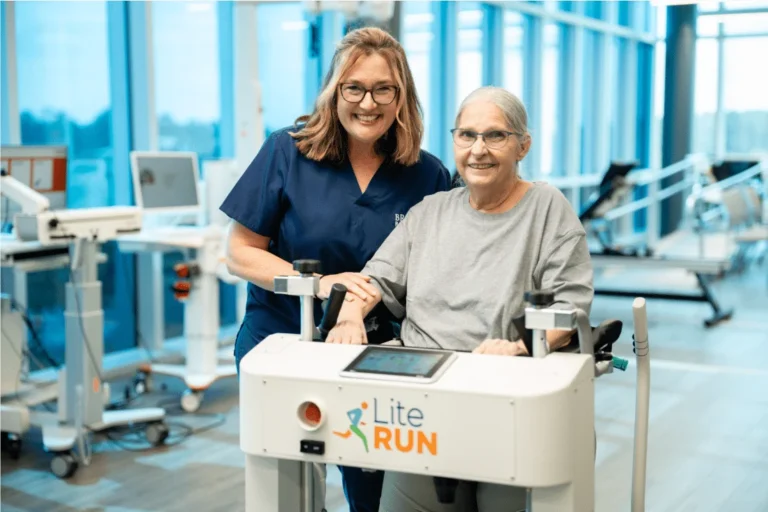










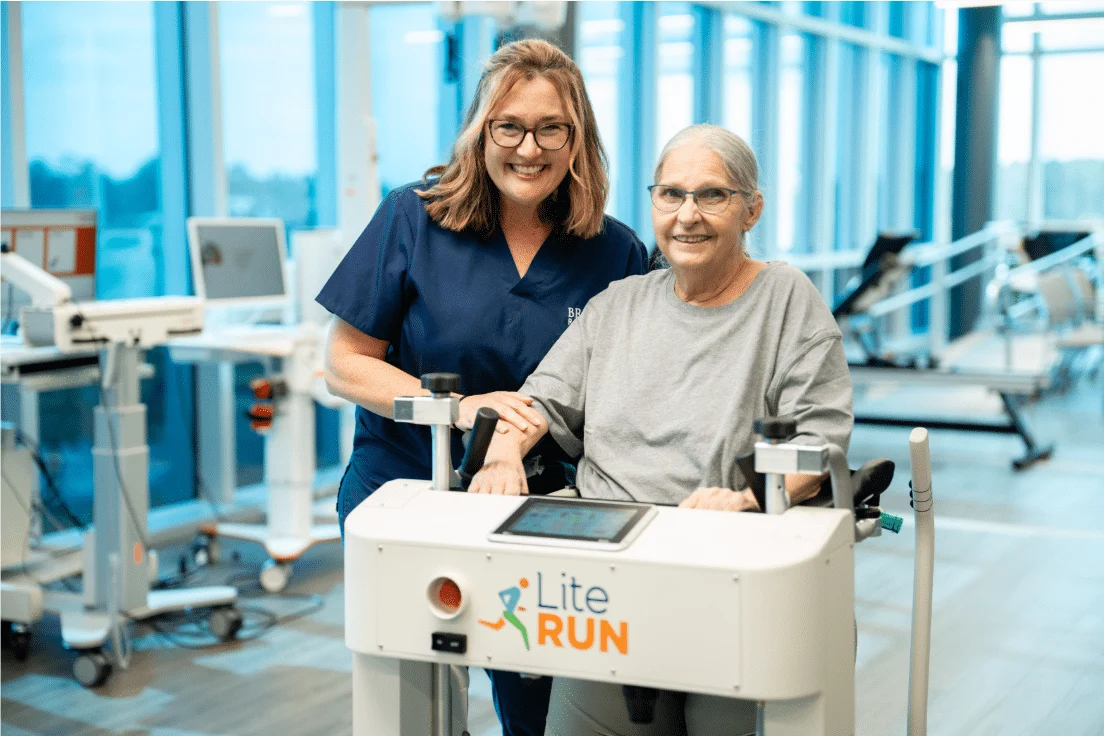
Jacksonville, FL – [Current Date] – In a landmark advancement poised to redefine inpatient rehabilitation, Brooks Rehabilitation has announced its pioneering adoption of Lite Run™’s FDA-registered anti-gravity mobility technology. This strategic integration marks Brooks Rehabilitation as the first nationwide inpatient rehabilitation hospital to offer this innovative solution, promising earlier, safer patient mobilization and significantly reducing the physical demands on clinical staff. The move underscores Brooks’ unwavering commitment to leveraging cutting-edge technology to enhance patient outcomes and solidify its position as a leader in physical rehabilitation.
The introduction of Lite Run technology represents a pivotal shift in how patients recovering from severe neurological and orthopedic conditions will regain mobility. By allowing individuals to safely bear weight and engage in functional movement far sooner than traditionally possible, Brooks Rehabilitation is not just improving recovery timelines but is fundamentally transforming the patient experience and the operational efficiency of its therapy teams.
The Genesis of Innovation: A Strategic Adoption
Rigorous Evaluation by Brooks’ Center for Innovation
The decision to integrate Lite Run technology was not made lightly. Brooks Rehabilitation, renowned for its commitment to innovation and patient-centered care, operates a dedicated Center for Innovation. This center is tasked with rigorously evaluating and testing new and emerging technologies to determine their potential to improve patient outcomes and streamline clinical processes.
"Through our Center for Innovation, Brooks evaluates and tests new and emerging technologies to determine their potential benefits for improving patient outcomes," stated Mark Bowden, PhD, PT, Vice President for Clinical Integration and Research at Brooks Rehabilitation. Dr. Bowden elaborated on the exhaustive nature of their due diligence, explaining that the evaluation process for Lite Run spanned several months. This period involved comprehensive clinical trials, gathering extensive patient feedback, soliciting input from a multidisciplinary team of therapists, conducting thorough safety assessments, and performing a detailed cost-benefit analysis.
The intensive evaluation was designed to identify technologies that could genuinely fill existing gaps in patient care. "After a months-long evaluation, Brooks was able to make an educated decision and determine that Lite Run filled a gap in helping specific patients safely and comfortably mobilize earlier with less staff assistance," Dr. Bowden affirmed. This meticulous approach ensured that the adopted technology would not merely be an addition but a transformative tool, specifically targeting the complex challenges of early mobilization for patients with significant mobility impairments. The team focused on how Lite Run could facilitate the earliest possible upright mobility, a critical factor in mitigating the debilitating effects of prolonged bed rest and accelerating the rehabilitation journey. The ability to achieve this with reduced reliance on extensive physical assistance from staff was a key differentiator, addressing both patient safety and clinician well-being.
Strategic Deployment Across Key Facilities
Following the successful evaluation and the compelling evidence of its benefits, Brooks Rehabilitation made a substantial investment, purchasing three Lite Run devices. This initial deployment strategy reflects Brooks’ widespread commitment to integrate advanced solutions across its network of facilities.
Currently, two Lite Run devices are operational and actively in use at Brooks’ two state-of-the-art hospitals in Jacksonville, Florida. These facilities serve as hubs for intensive inpatient rehabilitation, catering to a diverse patient population with complex needs. The immediate integration of Lite Run in these established centers allows for rapid implementation into existing therapy protocols and provides real-time data on its efficacy in various clinical scenarios.
Looking to the future, the third Lite Run device is earmarked for deployment at Brooks Rehabilitation’s newest hospital, which is set to open its doors in Phoenix, Arizona, on the prestigious Mayo Clinic campus. This strategic placement underscores Brooks’ vision for national expansion and its commitment to replicating its high standards of care and innovative practices in new geographic markets. The Phoenix facility will serve as a crucial component of Brooks’ growing national footprint, and the inclusion of Lite Run technology from its inception signals a strong intent to set a new benchmark for rehabilitation services in the region. This phased rollout ensures that the technology is not only adopted but seamlessly integrated into Brooks’ comprehensive rehabilitation programs, maximizing its impact on patient recovery from day one.
Unpacking the Technology: How Lite Run Works
The Patented Exosuit and Low-Pressure Air System
At the heart of Lite Run’s innovation lies its patented wearable Exosuit and sophisticated low-pressure air technology. This ingenious combination allows for precise and adjustable body weight support, fundamentally altering the dynamics of early patient mobilization. The Exosuit, custom-designed to be comfortable and secure, is donned by the patient, becoming an extension of their body. It is then connected to a system that utilizes controlled low-pressure air to create an upward lift.
This unique mechanism enables the system to offload a significant amount of a patient’s body weight—up to 150 pounds—while simultaneously providing robust support to prevent falls. Unlike traditional harnesses or overhead support systems that can restrict natural movement, the Lite Run system is engineered to maintain patients in an upright, mobile, and actively engaged posture. The gentle, consistent upward force created by the air technology reduces the gravitational load on a patient’s limbs, making it easier for them to initiate movement, practice balance, and participate in gait training. This support is crucial for patients who may lack the strength, coordination, or confidence to bear their full body weight independently.
A key advantage of the Lite Run platform is its ability to facilitate overground mobility. Many anti-gravity systems are confined to treadmills, limiting the scope of therapeutic exercises. Lite Run, however, is designed to move with therapists within the clinical setting, allowing patients to practice walking, turning, navigating obstacles, and performing functional tasks in a more natural, real-world environment. This freedom of movement is paramount for simulating activities of daily living, fostering neuroplasticity, and promoting a more comprehensive and engaging therapy experience. The system’s intuitive design supports more natural movement patterns, which is vital for re-educating muscles and nerves after injury or illness, thereby reducing compensatory movements and promoting better long-term functional recovery.
The Imperative of Early Mobilization: Clinical Rationale and Benefits
Combating Immobility: A Critical Challenge in Recovery
The medical community universally acknowledges the profound negative impact of prolonged immobility on patient recovery, particularly in acute and post-acute care settings. For patients recovering from severe injuries or neurological events, extended periods of bed rest can lead to a cascade of debilitating complications. These include rapid muscle atrophy and deconditioning, where muscles quickly lose mass and strength, making future mobilization even more challenging. Furthermore, immobility increases the risk of pressure ulcers, which are difficult to treat and can lead to serious infections. Pulmonary complications such as pneumonia, and cardiovascular issues like deep vein thrombosis (DVT) and pulmonary embolism, are also significantly elevated. Beyond the physical, prolonged bed rest can have severe psychological effects, leading to depression, anxiety, and a diminished sense of self-efficacy. All these complications contribute to longer hospital stays, increased healthcare costs, and ultimately, poorer long-term outcomes for patients.
In this context, early mobilization is not merely beneficial; it is a critical component of modern rehabilitation philosophy. It actively combats these secondary complications, promoting physiological stability and psychological well-being. By engaging patients in upright activity and functional movement as early as medically feasible, clinicians can mitigate muscle wasting, improve cardiovascular function, enhance respiratory health, and prevent skin breakdown. This proactive approach is foundational to accelerating recovery and minimizing the overall burden of illness.
Enhanced Patient Outcomes and Independence
Lite Run technology directly addresses the imperative of early mobilization, thereby significantly enhancing patient outcomes and accelerating the restoration of independence. The system’s ability to offload weight and prevent falls creates a safe environment for patients to begin therapeutic activities much sooner than traditional methods would allow. This early engagement is particularly crucial for a wide range of conditions treated at Brooks Rehabilitation:
- Stroke: For stroke survivors, early weight-bearing and gait training are vital for promoting neuroplasticity—the brain’s ability to reorganize itself. The Lite Run allows therapists to facilitate repetitive, task-specific training, which is known to be highly effective in regaining motor function and balance. Patients can practice walking with proper biomechanics, stimulating neural pathways and accelerating recovery from hemiparesis or paralysis.
- Spinal Cord Injury (SCI): Individuals with SCI often face significant challenges with lower extremity weakness or paralysis. Lite Run provides the necessary support for these patients to experience upright posture and walking patterns, even with minimal muscle activation. This early verticalization helps prevent bone demineralization, improves circulation, and provides sensory input crucial for rehabilitation, offering a powerful psychological boost by allowing them to stand and move.
- Traumatic Brain Injury (TBI): TBI patients often present with complex motor and cognitive deficits, including impaired balance, coordination, and motor planning. Lite Run offers a secure environment for balance training and gait re-education, allowing therapists to challenge patients safely. The consistent support helps reduce the cognitive load associated with fear of falling, enabling patients to focus more effectively on the therapeutic task.
- Neurological Conditions: For progressive neurological conditions like Parkinson’s disease or multiple sclerosis, where balance and mobility progressively decline, Lite Run provides a safe means to maintain functional mobility for longer. It allows patients to perform exercises that strengthen muscles, improve gait stability, and enhance endurance without the risk of falls, thereby improving their quality of life.
- Orthopedic Injuries: Patients recovering from complex orthopedic surgeries (e.g., hip or knee replacements, severe fractures) often have weight-bearing restrictions. Lite Run allows for controlled, partial weight-bearing activities that accelerate healing, reduce joint stiffness, and strengthen surrounding musculature much earlier than traditional methods, speeding up return to function.
Beyond the physical benefits, the psychological impact of early progress cannot be overstated. When patients can stand and take steps, often for the first time since their injury or illness, it instills a profound sense of hope, motivation, and self-efficacy, becoming a powerful catalyst for continued engagement in their rehabilitation journey.
Alleviating Clinician Burden and Boosting Efficiency
The physical demands placed on rehabilitation therapists are immense. Traditionally, assisting patients with severe mobility impairments to stand, pivot, and walk requires significant physical strength, endurance, and often the assistance of multiple staff members. This strenuous work can lead to musculoskeletal injuries among clinicians, contribute to burnout, and limit the number of patients a therapist can effectively treat in a day.
Lite Run directly addresses this critical challenge by significantly reducing the physical burden on therapists. By offloading up to 150 pounds of a patient’s body weight, the technology transforms a physically demanding task into a more manageable one. Therapists can then shift their focus from providing brute physical support to concentrating on therapeutic guidance, cueing, and facilitating proper movement patterns. This not only enhances the safety of both patient and clinician but also allows therapists to work more efficiently and effectively.
Kathryn Swanson, PT, DPT, NCS, Inpatient Clinical Technology and Programmatics Coordinator at Brooks Rehabilitation, highlighted this aspect: "Our therapy teams gain an additional tool to safely mobilize patients earlier." This "additional tool" translates into greater capacity for therapists, enabling them to treat more patients or provide more intensive, focused therapy sessions. The reduction in physical strain also contributes to improved job satisfaction and retention among clinical staff, a crucial factor in an era of increasing healthcare staffing shortages. By protecting their most valuable asset—their highly skilled therapists—Brooks Rehabilitation is investing in the long-term sustainability and quality of its care delivery model.
Voices from the Frontlines: Official Responses and Perspectives
Brooks Leadership on Strategic Innovation
The adoption of Lite Run is a testament to Brooks Rehabilitation’s strategic vision and its commitment to remaining at the forefront of rehabilitative medicine. Dr. Mark Bowden, as the Vice President for Clinical Integration and Research, embodies this forward-thinking approach. His perspective emphasizes that innovation is not an isolated initiative but an integral part of Brooks’ organizational DNA. The Center for Innovation serves as the engine for this continuous improvement, systematically identifying, evaluating, and integrating technologies that promise tangible benefits for patients and clinicians alike.
Dr. Bowden’s statement reflects a deep understanding of the evolving landscape of healthcare, where technological advancements are becoming indispensable tools for addressing complex patient needs and optimizing resource allocation. Brooks’ commitment to innovation is not just about acquiring new devices; it’s about fostering a culture where evidence-based practice and cutting-edge solutions converge to deliver superior patient outcomes. This leadership perspective underscores that the decision to adopt Lite Run was a calculated move, rooted in extensive research and a clear vision for the future of rehabilitation.
Therapist Insights: A Game-Changer for Clinical Practice
Kathryn Swanson, PT, DPT, NCS, Inpatient Clinical Technology and Programmatics Coordinator at Brooks Rehabilitation, offers a crucial perspective from the front lines of therapy. Her insights highlight the practical impact of Lite Run on daily clinical practice and patient experience. "After a lengthy evaluation period, Brooks Rehabilitation continues to add advanced technologies for patient recovery with the Lite Run platform, which opens many possibilities for our patients and our clinicians as we expand nationwide," Swanson noted.
Her emphasis on "many possibilities" speaks to the versatility of the Lite Run system. Unlike traditional anti-gravity treadmills that confine patients to a single plane of movement, Lite Run facilitates "overground therapies." This means patients can practice walking in diverse environments, navigate turns, step over obstacles, and engage in more complex functional tasks—all crucial for real-world independence. "Patients appreciated the comfort and ability to use the technology in multiple, overground therapies without being confined to a treadmill," she added. This comfort and freedom contribute significantly to patient engagement and motivation, making therapy less monotonous and more effective.
Swanson detailed the range of activities supported by Lite Run, which extends far beyond simple walking. It enables precise balance training, critical for preventing falls and improving stability. It facilitates weight shifting exercises, essential for gait initiation and dynamic balance. It supports targeted strengthening exercises in functional positions, and endurance training, allowing patients to sustain therapeutic activity for longer periods without undue fatigue or risk. For therapists, Lite Run is a "game-changer," enabling them to safely challenge patients at higher levels of function earlier in their recovery journey, accelerating progress and building confidence for both patient and clinician.
Lite Run’s Vision: Addressing Healthcare’s Evolving Demands
Gregg Smith, CEO of Lite Run, articulated his company’s mission in the broader context of current healthcare challenges. "We know that rehabilitation providers face increasing pressure to improve outcomes, mobilize patients earlier and support those more medically complex conditions with fewer clinical staff," Smith stated. This statement encapsulates the critical intersection of patient needs, clinical demands, and operational realities in today’s healthcare environment.
Smith emphasized that Lite Run technology was not merely an incremental improvement but a deliberate solution designed to address these systemic pressures. "Our technology was specifically designed to help therapists divide and conquer in safely supporting specific patients earlier in their recovery. Lite Run reduces the physical burden on clinicians to help more patients each day in ways not possible before," he explained. This "divide and conquer" approach implies that therapists, no longer solely focused on physically supporting a patient, can dedicate more attention to therapeutic coaching, motor re-learning, and cognitive engagement.
Lite Run’s vision aligns perfectly with the evolving demands for value-based care, where improved patient outcomes are paramount, alongside operational efficiency. Smith believes that by empowering therapists and enabling earlier, safer mobility, Lite Run is not just offering a device but is contributing to a paradigm shift in rehabilitation. He envisions a future where technologies that support safer, earlier mobility become a standard of care, indispensable for hospitals, inpatient rehabilitation facilities, and other providers grappling with staffing constraints and increasingly complex patient populations. This forward-looking perspective positions Lite Run as a crucial partner in navigating the challenges and opportunities of modern rehabilitation.
Broader Implications and the Future of Rehabilitation
Redefining the Standard of Care
The integration of Lite Run technology by a leading institution like Brooks Rehabilitation signals a significant shift in the standard of care for inpatient rehabilitation. As healthcare systems globally grapple with the dual challenges of an aging population and an increase in complex medical conditions, the emphasis on efficient, effective, and safe patient mobilization has never been greater. Early movement plays a crucial role in reducing hospital lengths of stay, which has profound economic benefits for healthcare providers and systems. Shorter stays free up beds, reduce the risk of hospital-acquired infections, and optimize resource utilization, all contributing to a more sustainable healthcare model.
Moreover, for populations such as the elderly, who are particularly susceptible to deconditioning and complications from immobility, and for patients with severe neurological conditions, the ability to mobilize earlier and more safely can dramatically alter their recovery trajectory. It means the difference between prolonged dependence and a quicker return to independence, between a life constrained by limitations and one empowered by regained function. Lite Run, by enabling this critical early intervention, is not just a tool but a catalyst for establishing a new benchmark in patient care, where technological assistance augments human expertise to achieve previously unattainable outcomes.
Empowering Patients and Clinicians
The impact of Lite Run extends beyond clinical metrics, touching the very human aspects of rehabilitation. For patients, the technology provides a comfortable and dignified experience. The ability to stand and walk, even with support, can be a profound psychological boost, fostering a sense of accomplishment and renewed hope. This early success can significantly increase patient engagement and motivation, turning the arduous journey of rehabilitation into a more positive and empowering experience. When patients feel safer and more comfortable, they are more likely to push their limits and commit fully to their therapy.
For clinicians, the empowerment comes from having a tool that enhances their capabilities while safeguarding their physical well-being. The reduction in physical strain allows therapists to channel their energy into higher-level clinical reasoning, personalized therapeutic interventions, and patient education. This not only improves job satisfaction and reduces burnout but also elevates the quality of care they can provide. The increased confidence, both for patients in their ability to move and for staff in their ability to safely facilitate that movement, creates a virtuous cycle that optimizes the entire rehabilitation process.
A Glimpse into Tomorrow’s Therapy
Brooks Rehabilitation’s adoption of Lite Run is more than just a single technological acquisition; it’s a window into the future of rehabilitative medicine. The trend towards integrating advanced robotics, artificial intelligence, virtual reality, and anti-gravity systems into therapy is accelerating. These technologies are not designed to replace human therapists but to augment their skills, extend their reach, and create more intensive, personalized, and engaging therapeutic environments.
As a top-ranked physical rehabilitation provider, Brooks Rehabilitation is positioning itself as a leader in this evolution, setting a benchmark for other institutions across the nation and globally. Its Center for Innovation will undoubtedly continue to explore and integrate solutions that push the boundaries of what is possible in recovery. The successful implementation of Lite Run suggests a future where rehabilitation is even more precise, patient-centric, and effective, leveraging the best of human expertise and technological innovation.
The ultimate implication is a healthcare system that is better equipped to handle the complexities of modern medical challenges, one that prioritizes patient dignity and independence, and one that supports its dedicated clinicians. Brooks Rehabilitation, through its foresight and investment in technologies like Lite Run, is not just treating patients; it is actively shaping the future of recovery, one step at a time.