











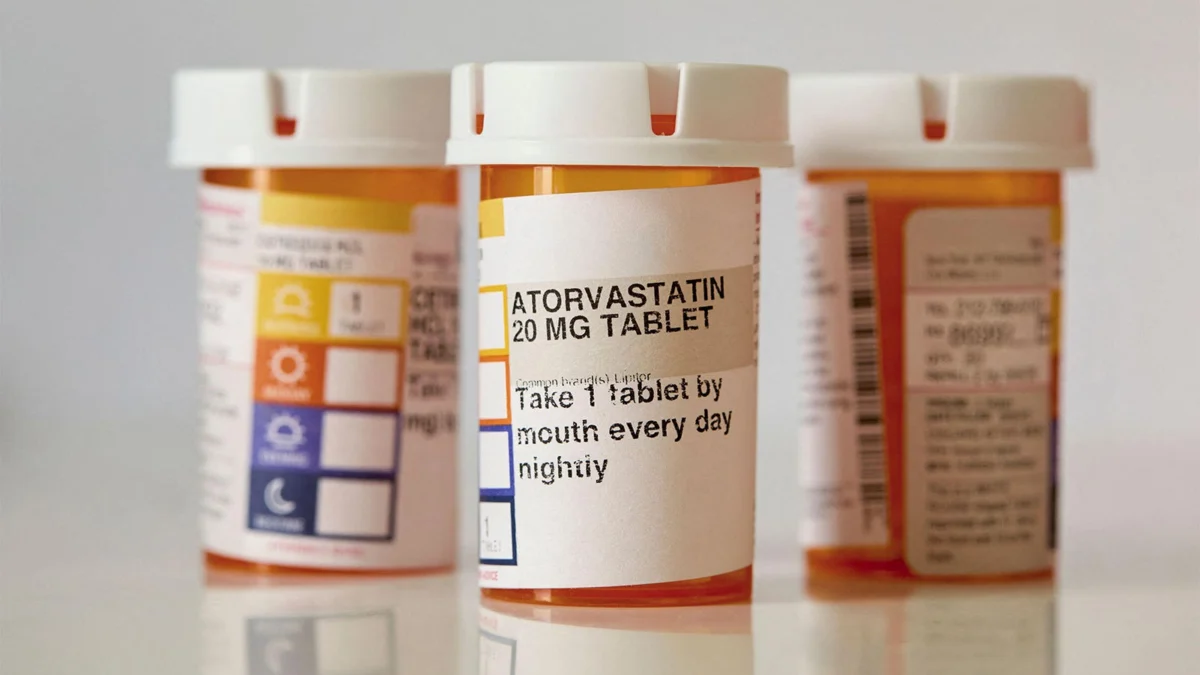
The landscape of cardiovascular health in the United States is undergoing a significant transformation. With the release of the 2026 dyslipidemia guidelines, medical professionals are being urged to fundamentally rethink how they approach the management of cholesterol. Rather than focusing solely on the immediate, short-term risk of heart disease, the new medical framework pivots toward a "longer view" of lifetime cardiovascular health. This shift, supported by a flurry of recent research published in JAMA, suggests that while the total number of Americans eligible for lipid-lowering therapy (LLT) remains relatively stable, the demographic profile of those candidates is becoming younger and ostensibly lower-risk.
The Core Transformation: Shifting the Focus to Early Intervention
At the heart of the 2026 guidelines is the integration of the PREVENT (Predicting Risk of Cardiovascular Disease Events) equations. These tools replace the older pooled cohort equations that have dominated clinical practice for years. The move is not merely administrative; it is a clinical recalibration.
Under the previous standards, physicians often deferred pharmaceutical intervention for patients in their 30s and 40s unless they presented with overt disease, diabetes, or other high-risk markers. The new strategy, however, encourages a proactive dialogue regarding the benefits of starting lipid-lowering therapies—most notably statins—at much earlier stages of life.
"The shift to a longer view of cardiovascular disease risk is a sea change for doctors in counseling patients," explains Dr. Timothy Anderson of the University of Pittsburgh, the lead author of one of the pivotal studies. "Before the new guidelines, people who were flagged with high cholesterol in their 30s and 40s tended to be recommended to focus on diet and exercise and were not recommended medication—unless the patient already had heart disease or other factors that made them particularly high-risk."
Chronology and Data: The Evolution of Risk Assessment
The transition to the 2026 guidelines did not happen in a vacuum. It follows years of rigorous data collection through the National Health and Nutrition Examination Survey (NHANES).
The 2017–2023 Analysis
Data from the 2017–2023 NHANES cycles indicate that approximately 87.5 million non-pregnant U.S. adults—roughly 56.6% of the population aged 30 to 79—are now eligible for statin therapy. Of this group, 21.5 million individuals are newly eligible under the 2026 criteria. The critical takeaway from this data is the "risk profile shift": the mean estimated 10-year atherosclerotic cardiovascular disease (ASCVD) risk for these newly eligible patients is 3.1%, significantly lower than the 6.1% average seen in patients targeted by the previous guidelines.
The PREVENT Equation Impact
The adoption of the PREVENT equations has fundamentally reclassified millions of Americans. An analysis of NHANES data spanning 1999–2020 revealed that the guidelines reclassify over one in five adults. The impact is uneven across demographic lines:
- Downward Reclassification (Lower Risk): Men (24.2%), Black individuals (29.6%), and current smokers (27.7%) are more frequently reassigned to lower-risk categories.
- Upward Reclassification (Higher Risk): Women (11.1%) and individuals with diabetes (20.4%) are more likely to be reassigned to higher-risk categories.
Despite these individual reclassifications, the aggregate number of statin-eligible adults remains remarkably consistent. Dr. Allison Peng of the Johns Hopkins University School of Medicine and her colleagues found that under the 2026 guidelines, 49.6% of adults aged 40–79 are recommended for therapy, compared to 49.4% under the previous framework. This suggests that the guideline update is a recalibration of who is treated, rather than an expansion of the total number of people treated.
Supporting Data: The Persistent Gap in Cholesterol Control
While the guidelines aim to optimize treatment, researchers have identified a glaring issue: the current standard of care is failing to reach target low-density lipoprotein (LDL) cholesterol goals, particularly among high-risk patients.
A study of 2021–2023 NHANES data by Dr. Shady Abohashem and his team at Massachusetts General Hospital highlighted the "treatment gap." The findings were stark:
- Low-risk adults: 9.9% were above their LDL goal.
- Borderline/Intermediate-risk adults: 63.6% were above their LDL goal.
- High-risk adults: 82.7% were above their LDL goal.
These numbers demonstrate that even among those already identified as high-risk, the healthcare system is struggling to bring patients to recommended cholesterol levels. The data serves as a sobering benchmark, illustrating that simply identifying candidates for therapy is only half the battle; the actual implementation and management of that therapy remain a systemic failure.
Official Responses and Editorial Perspectives
The medical community has received the new guidelines with a mixture of optimism and concern. In an editorial accompanying the JAMA studies, Dr. Philip Greenland and Dr. Karen Lasser characterized the situation as a "huge public health burden" for a condition that is, in theory, highly treatable.
"Given the large numbers of people who would be recommended for treatment following a risk-based discussion, these reports signify a major challenge, and so far, a missed opportunity, for the U.S. healthcare system," the editors wrote. They argued that the solution requires a move away from the traditional, solitary physician-patient consultation model toward a multidisciplinary approach. This would involve a combination of patient education, robust public health insurance policies, and better utilization of clinical teams to monitor and adjust lipid-lowering therapies over time.
Implications: The Road Ahead for Patients and Physicians
The introduction of the 2026 guidelines brings several immediate implications for both the clinical practice and the average American adult.
1. The Decision-Making Process
The new guidelines emphasize shared decision-making. Physicians are now tasked with balancing the patient’s long-term risk profile against the realities of medication side effects, costs, and personal preferences. For a 35-year-old patient, the prospect of starting a statin may feel unnecessary given their low immediate risk. Physicians must now be equipped to explain that this "long view" is intended to prevent the accumulation of plaque that leads to catastrophic events in later decades.
2. Expanding the Pharmacological Toolkit
While statins remain the gold standard due to their proven efficacy, safety profile, and affordability, the landscape of lipid-lowering therapy is expanding. The recent FDA approval of the first oral PCSK9 inhibitor, enlicitide (Lipfendra), provides a new, non-statin option for patients who may not tolerate statins or who require additional LDL reduction. This diversification of available treatments is expected to play a critical role in closing the "treatment gap" observed in the high-risk cohorts.
3. A Holistic Approach to Risk
The move toward the PREVENT equations signifies a broader acceptance that cardiovascular health is not just about a single blood test result. It is a complex interaction of lifestyle, genetics, and cumulative exposure. The guidelines encourage clinicians to view the patient as a whole, focusing on diet, exercise, and weight management as the foundation of treatment, while utilizing statins as a necessary tool to "fully minimize risks" for those who cannot achieve health goals through lifestyle changes alone.
Conclusion: A Call to Action
The 2026 dyslipidemia guidelines represent a bold attempt to modernize cardiovascular prevention. By shifting the clinical gaze toward a lifetime risk model, the medical establishment is acknowledging that the seeds of heart disease are often sown in the early stages of adulthood.
However, as the recent JAMA studies make clear, the existence of a guideline does not automatically translate into improved health outcomes. The "missed opportunity" cited by editors Greenland and Lasser is a challenge to the U.S. healthcare system to provide better support for patients, improve medication adherence, and ensure that the most vulnerable populations are not only identified but effectively treated. For the millions of Americans now navigating these new recommendations, the path forward will require a nuanced, informed, and proactive partnership with their healthcare providers. The future of heart health, it seems, depends on our ability to act before the first symptoms ever appear.