








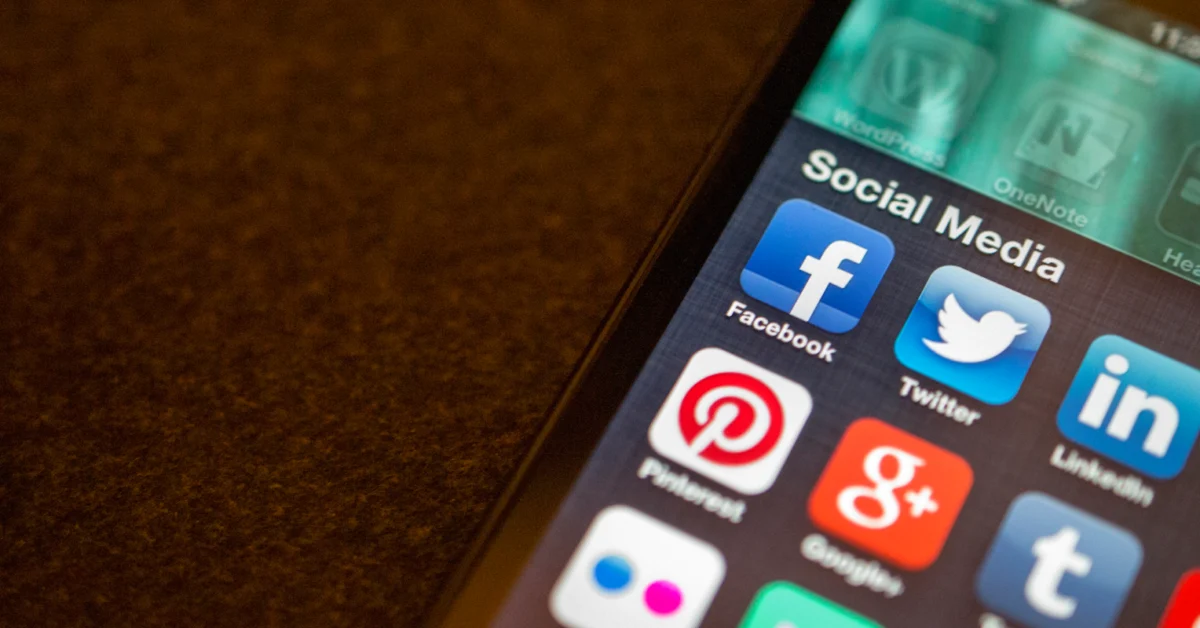
In the span of two decades, social media has evolved from a niche digital experiment into the primary architecture of modern human interaction. Today, it mediates our professional networking, dictates our news consumption, and serves as an inescapable repository for the minutiae of daily life. From the curated aesthetics of Instagram to the rapid-fire discourse of X (formerly Twitter), these platforms provide an endless stream of content—videos, memes, political snippets, and personal updates—designed to maximize engagement.
However, as our reliance on these digital ecosystems deepens, so does the scrutiny regarding their psychological toll. With mounting evidence suggesting that social media usage correlates with declines in self-image and mental well-being, a critical question emerges: Must we initiate a "digital detox" and sever these ties entirely to preserve our peace of mind? The reality is far more nuanced, suggesting that the problem lies not in the existence of the technology, but in the nature of our engagement with it.
The Evolution of Connectivity: A Chronology of Social Media
To understand the current psychological landscape, one must look at how these platforms matured.
- The Early 2000s (The Era of Connection): Platforms like MySpace and Facebook were initially designed to foster community. The primary goal was to bridge geographical gaps, allowing friends and family to stay tethered despite physical distance.
- The 2010s (The Era of Curation): With the rise of Instagram and the smartphone revolution, social media shifted toward visual storytelling. This era birthed the "influencer" economy and the pressure to project an idealized version of one’s life.
- The 2020s (The Era of Algorithmic Influence): The COVID-19 pandemic acted as a massive accelerant. As physical borders closed, virtual ones expanded, making social media the primary lifeline for human interaction. Simultaneously, algorithmic sophistication reached a tipping point, where platforms began proactively shaping user behavior through predictive content delivery.
The Good: Benefits of the Digital Tribe
Despite the recent backlash, social media remains a potent tool for social cohesion. When utilized intentionally, it acts as a digital bridge that connects disparate individuals based on shared identity.
Building Communities and Reducing Stigma
The "tribe" concept—the ability to find others with similar hobbies, career goals, or personal struggles—is perhaps the greatest gift of social media. For marginalized groups or those living in geographically isolated areas, these platforms offer a lifeline to communities that would otherwise be inaccessible.
Moreover, social media has proven its efficacy in public health advocacy. A seminal review by the National Academies of Sciences, Engineering, and Medicine highlighted Scotland’s "See Me" campaign. By leveraging digital platforms to challenge stereotypes surrounding mental health, the campaign achieved an 11% reduction in the belief that the public requires protection from those with mental illnesses and a 17% drop in the perception that the mentally ill are inherently dangerous. This demonstrates that when used as a megaphone for education rather than just vanity, social media can shift societal consciousness.
Crisis Resilience
During the early months of the COVID-19 pandemic, social media served as a vital buffer against total social atrophy. For many, it was the only means of maintaining a sense of normalcy and camaraderie. Research from the Royal Society for Public Health (RSPH) reveals that 70% of teenagers report receiving emotional support from peers via social media during times of acute distress, highlighting the potential for these platforms to function as essential support networks.
The Bad: The Psychological Costs of Connectivity
While the benefits are tangible, the negative externalities are becoming increasingly difficult to ignore. The psychological impact is multi-faceted, stemming from structural design choices and human behavioral patterns.
The Comparison Trap and Self-Image
Theodore Roosevelt famously noted that "comparison is the thief of joy." In the digital age, this observation is amplified by a billion-fold. Users are constantly bombarded by the "highlight reels" of others—professionally successful, aesthetically perfect, and seemingly effortless lives. Because users often fail to account for the curation process—the dozens of photos taken to capture one "spontaneous" moment—they internalize a distorted perception of reality. This often manifests as chronic anxiety and the pervasive "Fear of Missing Out" (FOMO).
The Algorithmic Echo Chamber
Perhaps more insidious is the role of algorithms. Designed to maximize time-on-site, these systems detect user interests and serve increasingly extreme versions of that content. While this is benign when dealing with cooking recipes, it becomes dangerous when applied to ideology. By isolating users within echo chambers that confirm existing biases, algorithms contribute to rising partisanship and ideological extremism, effectively radicalizing discourse and eroding the ability to engage with differing viewpoints.
Cyberbullying and Persistent Abuse
The RSPH survey indicated that 70% of young users have encountered cyberbullying. Of that cohort, 37% reported that the abuse was frequent and sustained. Unlike traditional bullying, which often ends when a student leaves the school building, cyberbullying is persistent and ubiquitous. Studies have linked this digital victimization to heightened rates of depression and the development of post-traumatic stress symptoms in adolescents.
Official Responses and Regulatory Implications
The growing body of evidence regarding mental health has not gone unnoticed by policymakers. In recent years, members of Congress have scrutinized major platforms, particularly in light of internal documents—such as those leaked from Facebook—revealing that 32% of teen girls felt their body image worsened after using Instagram.
These internal findings have sparked a global debate regarding "duty of care." Regulatory bodies in the European Union and the United States are currently exploring legislation that would hold tech giants accountable for the addictive design of their algorithms and the impact of their platforms on minors. These official responses suggest a transition from a "wild west" digital environment to one where safety-by-design is a legal requirement rather than a corporate choice.
Striking a Balance: Toward Digital Agency
If social media is a paradox, the solution is not necessarily to delete one’s account, but to cultivate "digital agency."
Strategies for the Individual
- Audit Your Feed: If an account consistently leaves you feeling diminished, jealous, or anxious, unfollow it. Your feed is a curated environment; take control of the inputs.
- Establish Hard Boundaries: Use screen-time tracking to monitor usage. If a specific app consistently triggers negative emotions, schedule breaks or delete the app during work weeks.
- Active vs. Passive Use: Research suggests that active engagement (messaging friends, joining groups, contributing to discussions) is generally more positive than passive scrolling (consuming content without interaction). Shift your habits toward active participation.
- Prioritize Offline Interaction: No digital connection can fully replicate the psychological benefits of physical proximity. Use social media to facilitate real-world meetings, not as a replacement for them.
The Path Forward
The complexity of social media and its impact on mental health mirrors the complexity of human psychology itself. There is no "off" switch for the digital age, and the platforms are not going away. However, by acknowledging the inherent risks—the algorithmic manipulation, the culture of comparison, and the potential for harassment—we can begin to interact with these platforms from a position of power.
We cannot control the algorithms, nor can we control the content posted by others. But we do have total control over our own threshold for consumption. By recognizing that social media is a tool—and not a reflection of reality—we can reclaim our mental space and ensure that our digital lives serve our well-being rather than deplete it. The goal is to reach a state where our online connections enhance, rather than dictate, our offline joy.