











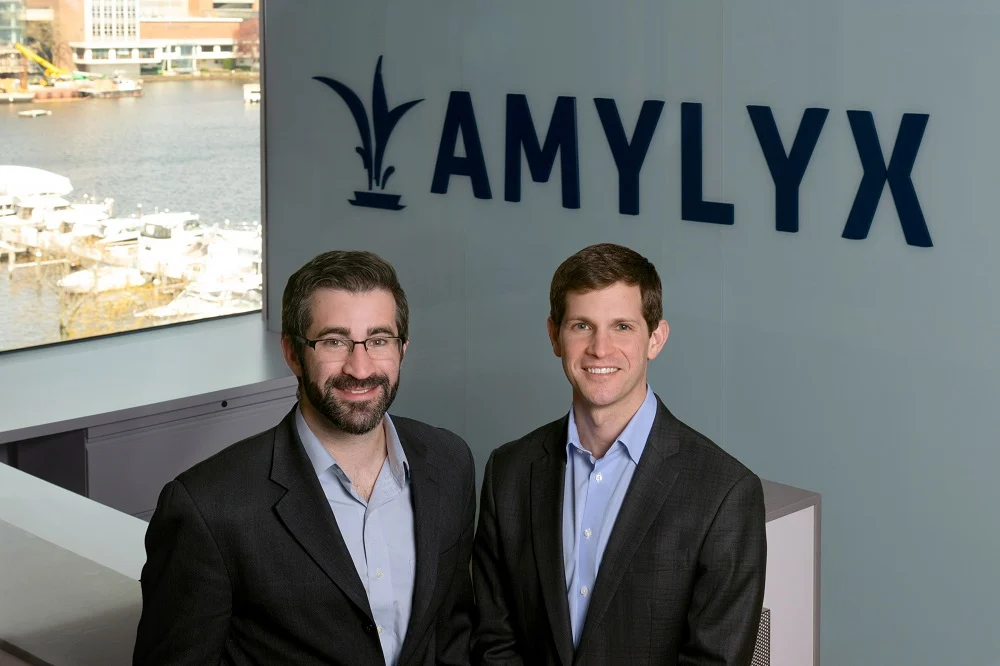
In a significant development for the field of metabolic medicine, Cambridge-based Amylyx Pharmaceuticals has announced positive topline results from its pivotal Phase 3 LUCIDITY clinical trial. The study evaluates avexitide, an experimental daily injectable treatment for post-bariatric hypoglycemia (PBH)—a rare, debilitating, and potentially life-threatening complication that can emerge following weight-loss surgery. With these results, Amylyx is positioning itself to submit a new drug application to the U.S. Food and Drug Administration (FDA) by the end of this year, aiming for a potential market launch in 2027.
If approved, avexitide would represent the first-ever dedicated therapy for PBH, offering a lifeline to thousands of patients whose lives are currently dictated by the constant threat of severe blood sugar drops.
The Core Facts: Understanding Post-Bariatric Hypoglycemia
Post-bariatric hypoglycemia is a complex metabolic condition characterized by profound drops in blood glucose levels that occur following the consumption of a meal. For patients who have undergone procedures such as the roux-en-Y gastric bypass, the surgical reconfiguration of the gastrointestinal anatomy can trigger a cascade of hormonal shifts.
Central to this pathology are abnormally high levels of GLP-1 (glucagon-like peptide-1), a hormone that plays a crucial role in regulating insulin. In patients with PBH, the overproduction of GLP-1 leads to an exaggerated insulin response after eating, causing blood sugar to plummet to dangerous levels. The clinical manifestations of these hypoglycemic episodes are severe, often including dizziness, cognitive dysfunction, loss of consciousness, and seizures.
Beyond the immediate physical danger, the condition imposes a heavy social and economic burden. Many patients find themselves unable to maintain steady employment or provide consistent care for their children, as the unpredictability of their glucose levels leaves them tethered to their homes and fearful of public activities.
Chronology of Development: From Bankruptcy Acquisition to Phase 3 Success
The journey of avexitide to this pivotal moment is a testament to strategic portfolio management.
- Early Development: The peptide was originally advanced through Phase 2 clinical trials by Eiger Biopharmaceuticals. However, following Eiger’s financial instability and eventual bankruptcy, the future of the drug candidate remained uncertain.
- The Acquisition: In July 2024, Amylyx Pharmaceuticals acquired the rights to avexitide during a bankruptcy auction. For Amylyx, the acquisition was a critical strategic pivot. At the time, the company was reeling from the failure of its amyotrophic lateral sclerosis (ALS) drug, Relyvrio, which had forced the firm to withdraw the product from the market and initiate a deep operational restructuring.
- The Pivot: Co-CEO Josh Cohen noted that the company reviewed hundreds of potential candidates in the rare disease space. Avexitide stood out not merely for its scientific mechanism but for the profound unmet need it addressed.
- Pivotal Phase 3: Following the acquisition, Amylyx expedited the development of avexitide. The Phase 3 LUCIDITY trial was launched, enrolling 78 participants who had previously undergone roux-en-Y gastric bypass surgery.
- Present Day: With the successful readout of the LUCIDITY trial, Amylyx is now in the final stages of preparing its regulatory submission, targeting a 2027 launch.
Supporting Data: Efficacy and Safety Profile
The LUCIDITY trial was a placebo-controlled study designed to measure the frequency of hypoglycemic events over a 16-week period. Participants received a daily injection of avexitide at least 60 minutes before breakfast.
The findings, reported this week, were compelling:
- Significant Reduction: Patients treated with avexitide experienced a 55% reduction in hypoglycemic events compared to those in the placebo arm.
- Safety and Tolerability: The drug was described as generally well-tolerated. Reported adverse events were primarily mild to moderate, with diarrhea and injection site reactions being the most frequently cited concerns.
- High Retention: Dr. Marilyn Tan, a clinical professor at Stanford School of Medicine and the study’s principal investigator, noted that none of the participants discontinued the therapy during the trial. Notably, 100% of participants elected to transition into the open-label extension study, suggesting high levels of patient satisfaction and perceived benefit.
Unlike the GLP-1 agonists currently dominating the weight-loss market—which activate GLP-1 receptors—avexitide acts as a GLP-1 antagonist. By binding to and blocking these receptors on pancreatic islet beta cells, the peptide effectively "mutes" the excessive insulin release, restoring metabolic balance.
Official Responses and Clinical Perspectives
The medical community has received the trial results with cautious optimism. Dr. Marilyn Tan highlighted the tangible impact the treatment had on the trial participants, emphasizing that the drug provided more than just biochemical stabilization.
"It’s life-altering, not only for the patient but also for their families," Dr. Tan stated during the company’s conference call. She reported that patients explicitly described an ability to return to work and regain their independence, marking a dramatic improvement in their quality of life.
Amylyx co-CEO Justin Klee emphasized that the company is currently planning for a priority review process with the FDA. Regarding the potential for expansion, Klee indicated that while the current data is centered on roux-en-Y patients, the company believes the mechanism is effective for all forms of PBH, though they remain open to conducting additional trials if required by regulators.
Josh Cohen, co-CEO of Amylyx, reinforced the company’s mission to focus on high-impact, rare diseases. "We didn’t want to do anything that was ‘me-too’ or ‘me-better,’" Cohen explained. "We wanted to do things that were going after diseases that really didn’t have much and where patients really needed our help."
Implications for the Future: Market Dynamics and Beyond
The potential approval of avexitide carries significant weight for both the biotech sector and the patient population.
A Growing Patient Population
While bariatric surgery rates have fluctuated, Amylyx maintains that the market for PBH is not shrinking. With an average age of 40 for bariatric surgery patients, those who develop the chronic condition of PBH require lifelong management. As these procedures continue, the cumulative population of patients living with PBH is expected to rise. Furthermore, clinicians remain firm that surgery is the gold standard for severe obesity, ensuring a steady stream of patients who may eventually require intervention for secondary complications like PBH.
Competitive Landscape
The commercial potential for a PBH treatment is significant, with Leerink Partners projecting peak sales of $1 billion to $1.5 billion. This potential has attracted other players:
- Recordati: The company is currently developing Pasireotide, which has shown promise in Phase 2 trials and is moving toward a Phase 3 plan by the end of 2026.
- Vogenx: A newly public company, Vogenx is targeting the condition with an oral small molecule, mizagliflozin, which inhibits the SGLT1 glucose transporter. Preliminary data for this approach is expected in 2027.
The Next Generation
While daily injections are currently acceptable for patients who face the daily fear of hypoglycemic seizures, Amylyx is already looking ahead. Recognizing the burden of daily dosing, the company is collaborating with the Danish peptide discovery firm Gubra to develop AMX0318. This next-generation GLP-1 antagonist is designed for weekly administration and is currently in late preclinical development, with clinical testing tentatively scheduled for 2027.
Conclusion
The success of the LUCIDITY trial represents a vital turning point for Amylyx Pharmaceuticals. By transforming a dormant asset into a potential market-leading therapy, the company has demonstrated resilience following the setbacks of its previous programs. For the estimated 160,000 Americans living with the shadow of PBH, the arrival of avexitide could mark the end of a long, difficult search for a treatment that restores their autonomy, safety, and peace of mind. As the regulatory process begins, all eyes will be on the FDA’s assessment of a drug that promises not just to treat a condition, but to restore a life.