








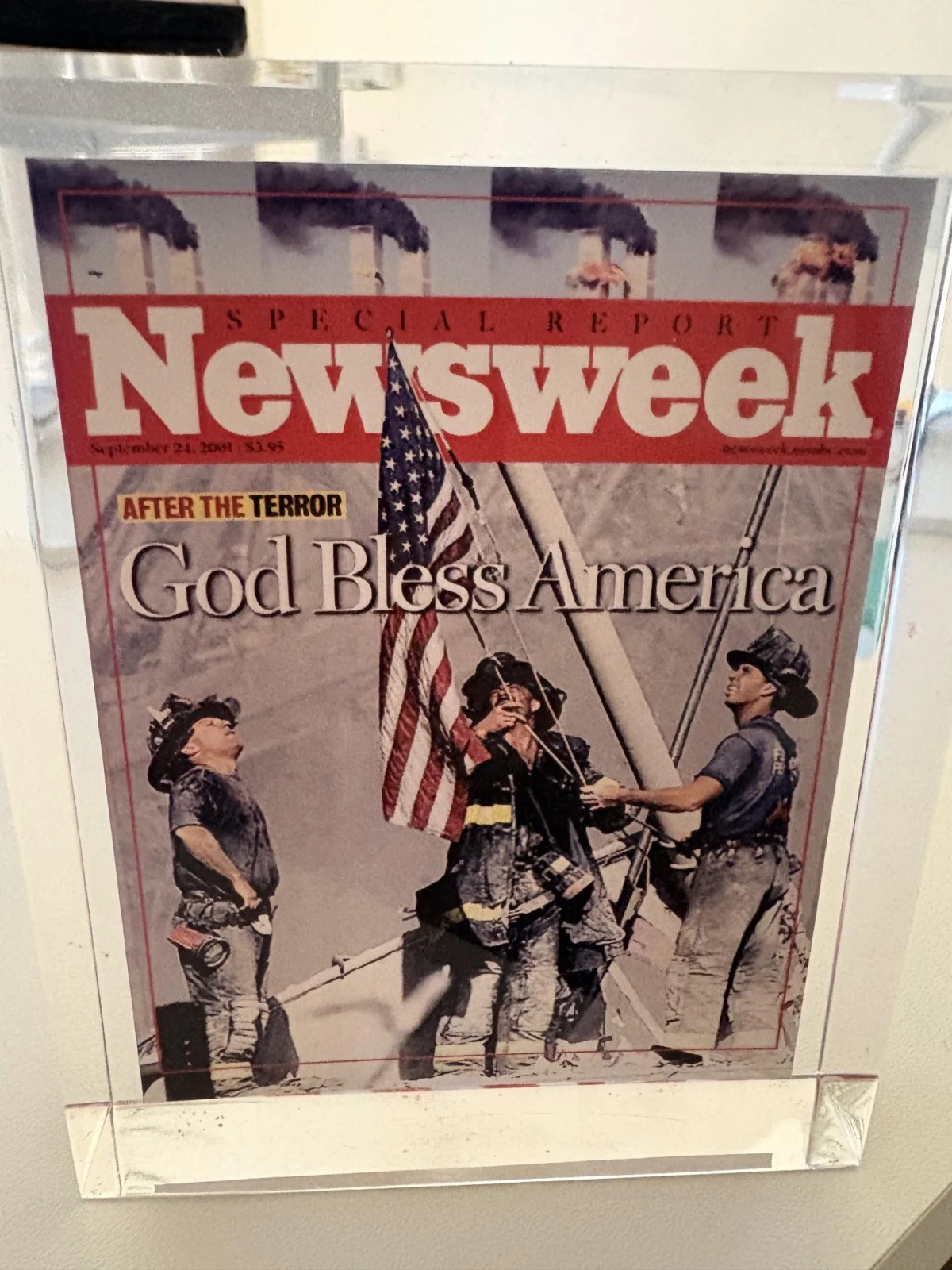
It is difficult to process that twenty-five years have passed since the morning of September 11, 2001. For those who witnessed the events in real-time, the memories are etched with such clarity that closing one’s eyes can instantly transport the mind back to that day of infamy. Yet, as time marches on, we find ourselves working alongside a new generation—Millennials, Gen Z, and Gen Alpha—who were either not yet born or were merely toddlers when the world changed forever.
This generational gap necessitates a renewed commitment to storytelling. We must ensure that the tragedy of that day is not relegated to a footnote in a history textbook, but remains a vital, living lesson on the fragility of peace and the necessity of constant vigilance against those who seek to dismantle our way of life.
The Morning the World Stood Still: A Chronology of Horror
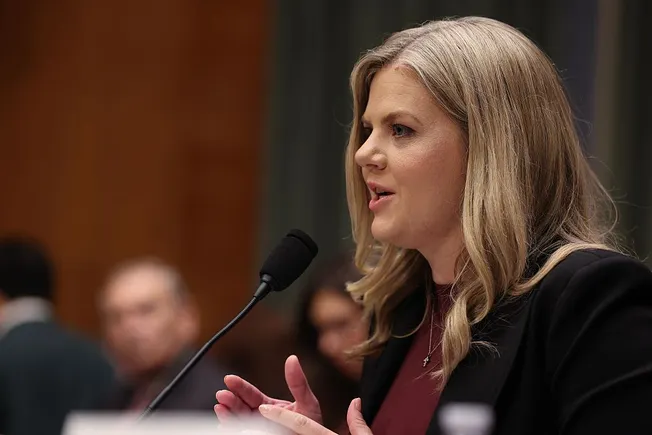
Like many Americans of her era, Sherri Snelling, a corporate communications professional at the time, remembers the exact coordinates of her experience. She was in Chicago, preparing for an annual sales conference. The atmosphere was one of professional focus and camaraderie, typical of the pre-9/11 era.

"I walked across the street from our hotel to get my usual morning Starbucks," Snelling recalls. "The North Tower of the World Trade Center had already been hit. The TV was on at the shop, and everyone was staring in silent disbelief."
The chronology of that morning is now a somber part of the American psyche:
- 8:46 AM ET: American Airlines Flight 11 crashes into the North Tower of the World Trade Center.
- 9:03 AM ET: United Airlines Flight 175 strikes the South Tower, confirming to the world that this was not an accident, but a coordinated attack.
- 9:37 AM ET: American Airlines Flight 77 slams into the Pentagon, the nerve center of American defense.
- 9:59 AM ET: The South Tower collapses, a moment of profound, visceral shock that silenced a nation.
- 10:03 AM ET: United Flight 93 crashes in a field in Shanksville, Pennsylvania, after passengers heroically fought back against their hijackers, likely preventing a strike on the U.S. Capitol or White House.
- 10:28 AM ET: The North Tower collapses.
For Snelling and her colleagues, the news was not just a global catastrophe; it was deeply personal. "One of my co-workers had a fiancé working in the South Tower," she recounts. "As we watched the news report that the tower had been hit, I could feel her shock turn into pain. We tried to assure her they would be evacuated, but we all knew in our hearts: America was under attack."

The Human Toll: Beyond the Statistics
The official death toll of 2,977 victims represents more than just a number; it represents a collection of shattered dreams and extinguished potential. The loss rippled through every sector of society. Snelling remembers a tech journalist she worked closely with, and a former colleague who—after years of struggling to conceive—was finally expecting, only to lose her husband, who was working on the 102nd floor of the North Tower.
The immediate aftermath was defined by a desperate, collective need to return to normalcy, or at least to safety. With the FAA grounding all flights indefinitely, Snelling joined a colleague in renting a car. They stocked up on water and snacks and began a two-and-a-half-day drive from Chicago to Southern California. They beat their colleagues who chose to wait for the airports to reopen—a testament to the primal instinct to return to family in times of crisis.
Supporting Data: The Ongoing Health Crisis
The tragedy of 9/11 did not end on September 11, 2001. For the first responders, the cleanup crews, and the residents of Lower Manhattan, the "pile" at Ground Zero became a source of long-term, debilitating illness.

Recent data from the Centers for Disease Control and Prevention (CDC) and the World Trade Center Health Program paints a sobering picture of the post-9/11 reality:
- Respiratory and Cancer Risks: Thousands of responders are currently battling conditions linked to the toxic dust and debris inhaled during the recovery efforts.
- Emerging Neurological Impacts: Recent clinical studies have begun to document an alarming increase in early-onset dementia and cognitive impairment among the 9/11 survivor population.
- The Caregiving Burden: The legacy of the attack has created a massive, often overlooked cohort of family caregivers who provide daily support to those suffering from these chronic, service-related illnesses.
Official Responses and Strategic Shifts
The 9/11 attacks necessitated a total overhaul of American national security. The creation of the Department of Homeland Security and the massive expansion of intelligence-sharing protocols were direct results of the failures that allowed the hijackers to exploit aviation vulnerabilities.
The pursuit of justice was long and arduous. It took nearly a decade of international intelligence operations to locate the mastermind behind the attack, Usama bin Laden. On May 1, 2011, U.S. Navy SEALs successfully executed a raid on his compound in Abbottabad, Pakistan, ending the life of the man who had orchestrated the most devastating attack on American soil since Pearl Harbor.

While the death of bin Laden dealt a significant blow to Al-Qaeda, the ideological threat remains. The transition from the "War on Terror" to the current era of geopolitical competition highlights that while the tactics of our adversaries may change, the underlying desire to destabilize democratic societies remains constant.
Implications for Future Generations
How do we teach the next generation about a day that has become history? Education is the primary tool for preserving the "resolve" that was born in the aftermath of the towers’ collapse.
Experts recommend utilizing primary sources:

- Live Footage: Watching the news coverage of the day provides a raw, unfiltered perspective on the shock and the sudden shift in global reality.
- Documentaries: Films like those detailing the life of FBI agent John O’Neill, who tried to warn the government about bin Laden for years, provide necessary context regarding the intelligence failures of the era.
- Human Interest Narratives: Stories like that of Welles Crowther—the "Man in the Red Bandana"—who lost his life while saving others, serve as a reminder of the capacity for human selflessness in the face of absolute evil.
Conclusion: The Cross at Ground Zero
Reflecting on her many visits to the site of the former Twin Towers, Snelling notes the evolution from a landscape of twisted steel and dust to a place of remembrance. One of the most enduring symbols for her remains the "Steel Cross" discovered amidst the rubble.
"To me, this symbolized the battle between good and evil," she says. "Evil attacked us on 9/11, but it did not destroy us. It did not divide us. It made us stronger and more resilient."
As we mark twenty-five years, the mandate is clear. We must remain vigilant, not out of fear, but out of a deep-seated respect for those who were lost and those who continue to suffer. We must ensure that the "Never Forget" sentiment is not a passive slogan, but an active commitment to preserving the democratic values that were tested, yet ultimately tempered, in the fires of September 11.