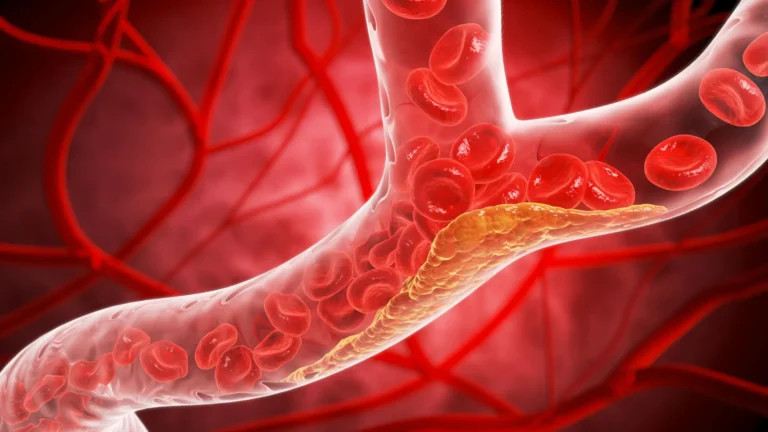











The landscape of women’s health in the United States is facing a formidable challenge that threatens to rewrite the future of public health. A sobering new scientific statement published in Circulation, the flagship journal of the American Heart Association (AHA), reveals that cardiovascular disease (CVD)—already the leading cause of death for women—is on a trajectory to reach epidemic proportions within the next quarter-century.
According to the report, titled "Forecasting the Burden of Cardiovascular Disease and Stroke in the United States Through 2050 in Women," nearly 6 in 10 American women will be living with some form of cardiovascular disease by 2050. This isn’t merely a statistic; it is a profound societal shift that demands a radical restructuring of how we approach preventative care, social policy, and individual health management.
The Scale of the Burden: A Financial and Human Crisis
The projections outlined in the AHA statement paint a stark picture of the coming decades. Currently, more than 62 million women in the U.S. are navigating life with cardiovascular conditions, a burden that carries an annual price tag of at least $200 billion.
"One in every three women will die from cardiovascular disease—maybe it’s your grandmother, or your mother or your daughter," explains Dr. Karen E. Joynt Maddox, chair of the writing group and professor of medicine at Washington University School of Medicine in St. Louis. The data suggests that if current behavioral and clinical trends remain unchecked, the prevalence of heart failure, atrial fibrillation, stroke, and ischemic heart disease will climb across every major demographic, creating a cumulative effect that could overwhelm the U.S. healthcare infrastructure.
Chronology of Risk: From Childhood to Late Adulthood
A critical insight of the new research is that cardiovascular health is not a concern that begins in the "golden years." It is a lifelong accumulation of risks that begin as early as childhood.
The Childhood Foundation (Ages 2–19)
The report identifies a concerning rise in obesity among girls. By 2050, it is projected that nearly 32% of girls aged 2 to 19 will be living with obesity—an increase of more than 12% from current levels. This trend is inextricably linked to lifestyle factors, with researchers predicting that over 60% of girls will have insufficient physical activity, while more than half will maintain diets that fail to meet basic nutritional standards.
The Critical Transition (Early Adulthood)
As these girls transition into young women, the window for prevention becomes narrower. Younger women are showing marked increases in risk factors such as high blood pressure and diabetes. Dr. Stacey E. Rosen, AHA volunteer president and senior vice president of women’s health at Northwell Health, notes that the impact is exacerbated by "adverse social determinants of health," including poverty, low literacy, and the stresses of living in rural or underserved areas.
The Midlife and Menopausal Threshold
The report emphasizes that biological milestones—specifically pregnancy, perimenopause, and menopause—are pivotal moments for cardiovascular intervention. Hormonal fluctuations during these stages can unmask latent risks, making it essential for clinicians to view these periods not just as reproductive health milestones, but as critical windows for cardiovascular screening.
Supporting Data: Disparities in the Projected Landscape
While the overall trend is upward, the burden of disease is not distributed equally. The projections indicate that systemic inequities will likely lead to wider gaps in health outcomes by 2050.
- Hispanic Women: High blood pressure is expected to surge by more than 15%, the highest increase among ethnic groups.
- Asian Women: Obesity rates are projected to climb most sharply in this demographic, with a predicted rise of nearly 26%.
- Black Women: This group faces the most severe projections. By 2050, more than 70% of Black women are expected to have high blood pressure, over 71% are expected to face obesity, and nearly 28% are projected to live with diabetes.
These figures underscore the urgent need for tailored, community-based health initiatives that move beyond a "one-size-fits-all" model of prevention.
Official Responses and the "Life’s Essential 8"
In response to these projections, medical leaders are calling for a fundamental shift in strategy. The American Heart Association continues to champion "Life’s Essential 8," a framework designed to empower individuals to take control of their heart health through four key behaviors (diet, activity, tobacco cessation, and sleep) and four key factors (weight management, cholesterol, blood sugar, and blood pressure).
"I like to call Life’s Essential 8 a prescription for health," says Dr. Rosen. "Eighty percent of heart disease and stroke can be prevented. We have the roadmap; we simply lack the systemic infrastructure to make these choices accessible and sustainable for all women."
Dr. Joynt Maddox notes that while the medical community has become proficient at treating "big events" like heart attacks, the focus must shift to "health, wellness, and prevention." The goal is to move the needle from reactive treatment to proactive, lifelong maintenance of cardiovascular wellness.
Implications: The Path to Reversing the Trajectory
The AHA report is not a prediction of inevitability; it is a call to action. To change the trajectory by 2050, several systemic changes are proposed:
1. Integration of Cardiovascular Care
Healthcare systems must break down silos. Pediatricians should monitor menstrual health as a marker for future heart disease, and gynecologists should routinely assess cardiovascular risk factors. Digital health tools and artificial intelligence offer new ways to monitor patients, but they must be supported by human-centric care teams.
2. Addressing Social Determinants
Medical intervention alone cannot solve the crisis. Policymakers must address the "social environment," including food deserts, lack of safe places for physical activity, and the psychological toll of economic insecurity. Interventions must be designed with the realities of marginalized communities at the forefront.
3. Innovation and Medication
There is optimism regarding new metabolic medications (such as GLP-1 agonists). However, the report urges researchers to specifically evaluate how these treatments affect women. Because women have been historically underrepresented in clinical trials, there is a lingering need for sex-specific data on both medication efficacy and side effects.
4. Improving Awareness
Perhaps the most alarming trend identified is the decline in public awareness. Fewer women today identify cardiovascular disease as their primary health threat compared to previous decades. "Every woman of every age should understand her risk," Dr. Rosen urges. "Know your numbers, listen to your body, and be an advocate for your health."
Conclusion: A New Era of Health Advocacy
The 2050 forecast serves as a diagnostic tool for the American healthcare system. It confirms that while medical technology has advanced, the systems of delivery and the emphasis on early-stage prevention remain insufficient.
We stand at a crossroads. We can continue down a path that results in nearly 60% of American women living with cardiovascular disease, or we can leverage modern digital health, emerging pharmacological breakthroughs, and a renewed commitment to equity to bend the curve downward. As the authors of the study conclude, the science is clear, the risks are measurable, and the tools for prevention are within our reach. The challenge now is one of will: to implement these changes, support one another, and prioritize cardiovascular health as the cornerstone of a long and vibrant life.
The future is not yet written, but the time to act is now. By focusing on the health of our girls and women today, we can ensure a healthier, more resilient population for 2050 and beyond.