











By Gwendolyn Wu
Published September 24, 2026
In a signal that the biotechnology sector is rediscovering its appetite for high-risk, high-reward innovation, ADARx Pharmaceuticals successfully priced its initial public offering on Thursday, raising a substantial $446.3 million. The offering marks a watershed moment for the RNA interference (RNAi) space: ADARx is the first company in this specialized field to price a traditional IPO in the United States in more than a decade, effectively shattering a long-standing capital markets drought for RNA-based therapeutic developers.
The pricing of the IPO at $17 per share—the absolute top end of the company’s anticipated $15-$17 range—demonstrates robust investor confidence. Beyond the public offering, the company secured an additional $89 million through a private placement with its development partner, AbbVie, solidifying a financial runway that analysts suggest could sustain its aggressive R&D roadmap well into the late stages of clinical development.
The Core Facts: A Strategic Capital Injection
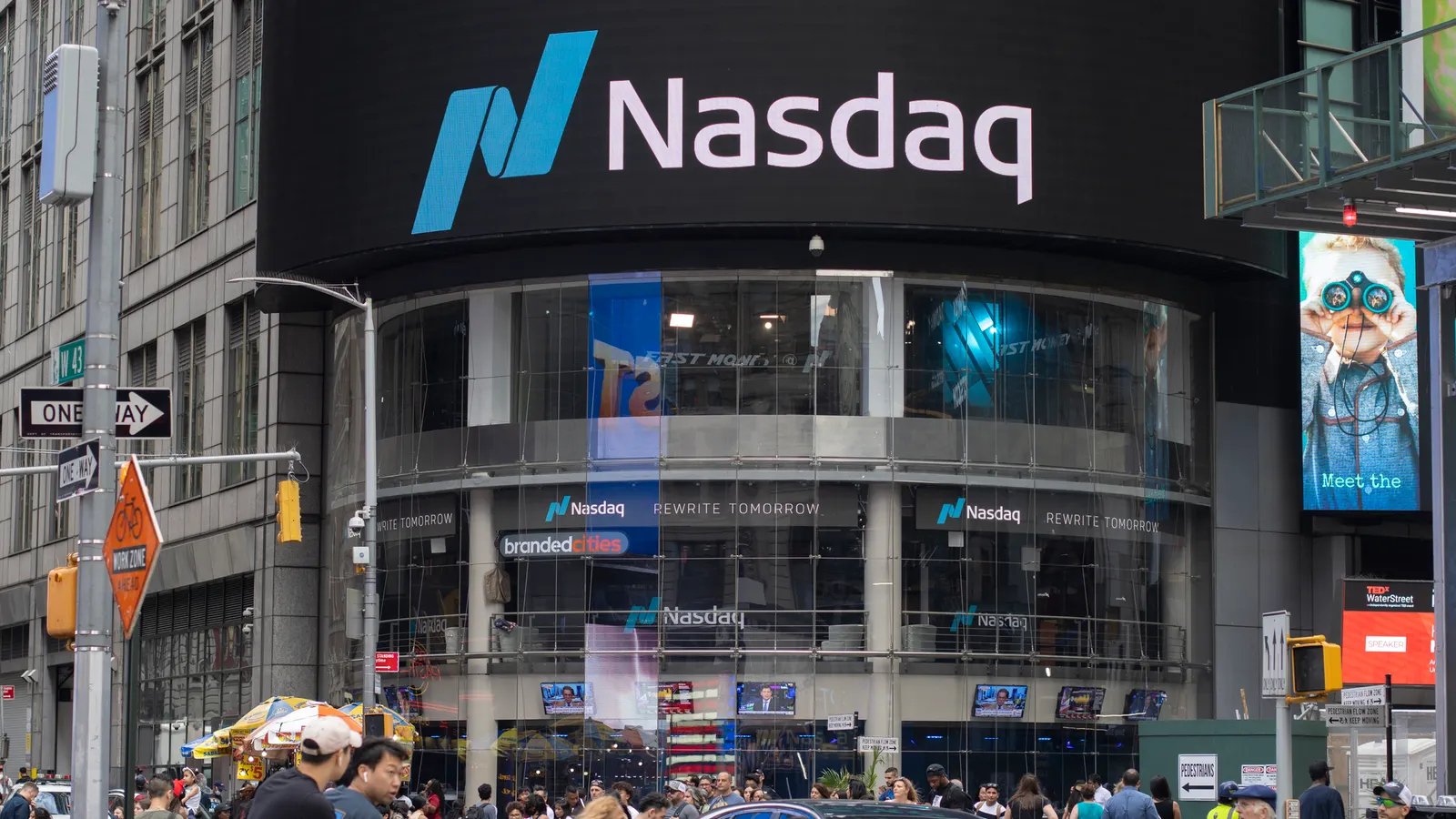
ADARx’s market debut on the Nasdaq, trading under the ticker symbol "ADRX," represents the culmination of years of private-market grooming. By selling 26.25 million shares to institutional and retail investors, the company has positioned itself as a new bellwether for the RNAi industry.
The IPO proceeds and the AbbVie private investment arrive at a pivotal time for the company. ADARx intends to utilize the capital to push its lead candidate, onvuzosiran, through Phase 3 clinical trials, while simultaneously advancing a secondary portfolio of candidates targeting complex diseases outside the liver—a common hurdle for earlier generations of RNAi technology.

Chronology: From Private Stealth to Public Spotlight
The path to Thursday’s bell-ringing ceremony was paved with substantial venture backing and strategic partnerships. To understand the significance of this IPO, one must look at the timeline of ADARx’s evolution:
- Early Development Phase: Following its inception, ADARx operated largely in stealth mode, focusing on optimizing RNAi delivery mechanisms to overcome the "potency challenges" that have historically limited the technology’s application to the liver.
- The AbbVie Alliance (2025): A massive $335 million upfront payment from AbbVie served as a crucial validator for the company’s platform. This collaboration, focused on neurological, immunological, and oncological targets, provided the external stamp of approval necessary to attract later-stage venture capital.
- Venture Capital Foundation: Before approaching the public markets, ADARx secured over $350 million from a powerhouse syndicate of venture capital firms, including OrbiMed, Bain Capital, TCGX, and Venrock. This funding allowed the company to generate the clinical data necessary to entice public market investors.
- The IPO Filing (Mid-2026): After filing its S-1, the company faced a cautious, yet increasingly active, IPO window. Despite the broader macroeconomic headwinds mentioned by Renaissance Capital—such as rising bond yields and resumed interest rate hikes—ADARx moved forward, testing the market’s willingness to fund long-term drug development.
- The Pricing (September 24, 2026): The company successfully priced at the top of its range, reflecting strong demand. Trading officially commenced on Friday morning.
Supporting Data: Why RNAi Is Evolving
The RNAi market has long been dominated by pioneers like Alnylam Pharmaceuticals and Arrowhead Pharmaceuticals. However, those success stories have largely been confined to liver-based treatments. ADARx is attempting to expand the frontier.
The Power of Onvuzosiran
The company’s lead candidate, onvuzosiran, is currently in late-stage development for hereditary angioedema (HAE), a rare, debilitating disorder characterized by recurrent episodes of severe swelling.
- Efficacy: Early-stage study results are compelling, showing the drug can suppress plasma kallikrein levels by as much as 93%.
- Competitive Advantage: While Ionis Pharmaceuticals has recently brought a competing RNA-based therapy to market, ADARx posits that onvuzosiran offers superior potency and a more patient-friendly dosing schedule, with the potential for administration as infrequent as twice per year.
- Milestone: The company has communicated to investors that it expects early data from its pivotal Phase 3 study by the end of 2027.
The "Pipeline-in-a-Product" Strategy
Beyond HAE, the company is prioritizing its agazisiran program. Designed to address a broad spectrum of indications—including kidney disease, geographic atrophy, and paroxysmal nocturnal hemoglobinuria—agazisiran is being positioned as a "pipeline-in-a-product." This approach is designed to mitigate risk; if the therapy proves safe and effective for one indication, the underlying platform technology can be rapidly adapted for others, significantly increasing the company’s total addressable market.
Official Responses and Market Sentiment
The market reception to the ADARx IPO has been categorized by analysts as a "cautious optimism."

In its regulatory filings, ADARx leadership was remarkably transparent about the challenges facing the sector. They acknowledged that RNAi as a technology has been "constrained" by delivery issues. By addressing these challenges head-on in their disclosures, the company managed to frame its proprietary tools as the "optimized" solution that the industry has been waiting for.
Industry observers note that the IPO window in 2026 has been dominated by small-molecule and biologics developers. Of the 22 drug companies that have priced IPOs so far this year, ADARx stands alone as the only pure-play RNAi firm. This uniqueness has made the stock a "must-watch" for institutional biotech portfolios.
However, a quarterly review by Renaissance Capital provides a sobering counterpoint. Despite the success of ADARx and the recent filing activity of other firms like City Therapeutics and Iambic Therapeutics, the report highlights that macroeconomic factors—specifically the 19-year high in bond yields and anxieties regarding AI-related capital expenditure—could act as a drag on the IPO market in the final quarter of 2026.
Implications: A New Era for Biotech?
The success of the ADARx IPO carries several profound implications for the pharmaceutical and biotechnology landscape:
1. Validation of "Difficult" Targets
For years, the biotech industry has faced criticism for "me-too" drugs—treatments that mirror existing successful therapies. ADARx’s focus on targets outside the liver represents a pivot back to genuine innovation. If the company succeeds in its Phase 3 trials, it will provide a blueprint for other RNAi developers to move into neurological and oncological spaces, potentially unlocking billions of dollars in new market value.

2. The Return of the IPO as a Funding Engine
The fact that biotech firms have dominated recent IPO activity suggests that the "hibernation" period that followed the 2021 market peak is ending. Investors are signaling that they are ready to fund long-term clinical development again, provided the science is rigorous and the partners (like AbbVie) are committed.
3. The "Platform" vs. "Product" Debate
ADARx is walking a fine line. It is marketing itself both as a high-potency product company (via onvuzosiran) and a platform company (via its delivery technology). The market’s response to the IPO suggests that investors are willing to pay for both. If the platform proves scalable, ADARx could become a prime acquisition target, further justifying the current valuation.
4. Competitive Pressure on Incumbents
The entry of a well-capitalized, technologically advanced competitor like ADARx puts pressure on incumbents. Companies like Ionis and Alnylam now have to contend with a new player that is explicitly targeting their market share with higher-potency, lower-burden regimens. This competitive friction is likely to drive faster innovation cycles across the entire RNA therapeutics sector.
Final Outlook
As ADARx begins its journey as a publicly traded entity, the focus will shift entirely to execution. The company has secured the necessary capital to reach critical clinical milestones in 2027. Whether it can maintain its momentum in a high-interest-rate environment will be the defining story of the next two years. For now, however, the biotech industry can breathe a sigh of relief: the window for innovative, high-science IPOs is officially open.