


The landscape of psychiatric research is undergoing a profound transformation, shifting from a "one-size-fits-all" approach to a more nuanced, precision-based model of care. For the millions of individuals living with bipolar disorder, a condition characterized by extreme shifts in mood, energy, and activity levels, the search for more effective and less invasive treatments is a constant priority.
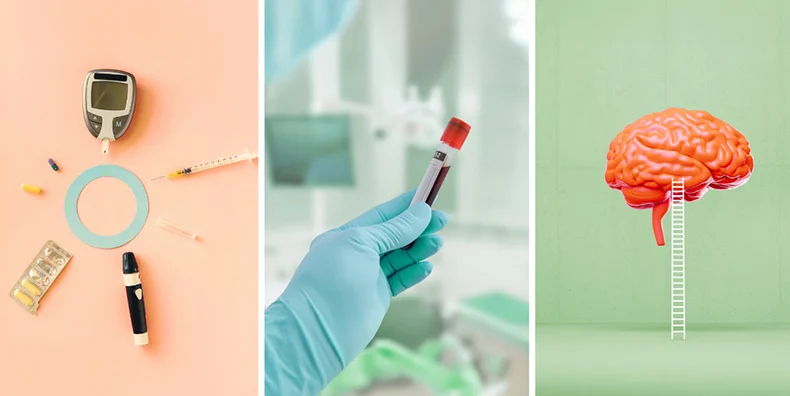
Recent breakthroughs published in leading medical journals have opened three promising new fronts in the battle against bipolar disorder. These studies explore the potential of Magnetic Seizure Therapy (MST) as a safer alternative to Electroconvulsive Therapy (ECT), the unexpected psychiatric benefits of SGLT2 inhibitors (commonly used for diabetes), and the role of thyroid antibodies as biomarkers for predicting treatment response. Together, these findings offer a glimpse into a future where treatment is more tailored, more effective, and carries fewer cognitive burdens.
Main Facts: Three Breakthroughs in Bipolar Care
The recent surge in bipolar research has focused on three distinct areas: neuromodulation, metabolic repurposing, and immuno-psychiatry.
1. Magnetic Seizure Therapy (MST) as a Refined Alternative to ECT
For decades, Electroconvulsive Therapy (ECT) has been the gold standard for treatment-resistant bipolar depression. However, its association with memory loss and cognitive impairment remains a significant deterrent for many patients. A new pilot study published in The American Journal of Psychiatry suggests that Magnetic Seizure Therapy (MST) may offer the same efficacy as ECT but with a significantly lower risk of memory disruption. MST uses high-intensity magnetic pulses to induce a therapeutic seizure in a more localized area of the brain, theoretically sparing the structures responsible for memory.
2. The Mental Health "Side Effects" of SGLT2 Inhibitors
Researchers have long noted a link between metabolic health and mood disorders. A massive observational study involving over 1.2 million adults, published in the Journal of Affective Disorders, has identified a startling correlation: patients with bipolar disorder who take SGLT2 inhibitors (such as Jardiance or Farxiga) for diabetes or heart health exhibit lower rates of suicidal behavior, hospitalization, and all-cause mortality. This suggests that drugs designed to clear sugar via the kidneys may also possess neuroprotective properties.
3. Thyroid Antibodies as Clinical Indicators
The immune system’s role in mental health is a burgeoning field of study. Research appearing in the International Journal of Bipolar Disorders has identified that the presence of thyroid peroxidase antibodies (TPO-Ab)—usually associated with Hashimoto’s disease—could signal a specific subtype of bipolar disorder. Patients with these antibodies appear less likely to experience psychosis but are also less likely to respond to lithium, the traditional first-line mood stabilizer.
Chronology: The Evolution of Bipolar Treatment
To understand the significance of these findings, one must look at the historical trajectory of bipolar disorder management.
- The Mid-20th Century (The Lithium Era): In 1949, John Cade discovered the mood-stabilizing effects of lithium. For decades, it remained the primary treatment, though clinicians struggled to understand why it worked for some and not others.
- The Rise of ECT: Throughout the 1950s and 60s, ECT became a mainstay for severe depression. While effective, the early "shock therapy" methods were often traumatic and lacked the precision of modern anesthesia and localized currents, leading to a lasting stigma.
- The Late 20th Century (Anticonvulsants and Antipsychotics): The 1980s and 90s saw the introduction of anticonvulsants (like valproate) and atypical antipsychotics, expanding the "toolkit" for managing mania and depression.
- The 21st Century (The Precision Medicine Shift): In the last decade, the focus has shifted toward "repurposing" drugs (like the SGLT2 inhibitors) and refining neuromodulation. The current research represents the latest stage in this evolution: moving away from broad-spectrum treatments and toward identifying biological markers (like TPO-Ab) that can predict which patient will benefit from which intervention.
Supporting Data: Analyzing the Numbers
The strength of these new studies lies in their data, though they vary in scale from small pilot trials to massive population-level analyses.
The MST vs. ECT Pilot Study
In the study conducted by an international research team, 55 participants facing treatment-resistant bipolar depression were divided into two groups.
- Efficacy: Both MST and ECT were successful in roughly 50% of participants. Full remission was achieved by 30% of the ECT group and 20% of the MST group—a statistically comparable result for a pilot study.
- Cognitive Impact: The disparity in side effects was stark. Approximately 22% of ECT patients showed significant deficits in memory tests following treatment. In contrast, only 7% of the MST group experienced similar issues. This suggests that MST provides a "cleaner" cognitive profile while maintaining the therapeutic power of induced seizures.
The SGLT2 Inhibitor Dataset
The study on SGLT2 inhibitors utilized a massive health record database of 1.23 million adults diagnosed with bipolar disorder. Out of this cohort, 36,000 were taking SGLT2 inhibitors for comorbid conditions like Type 2 diabetes.
- Suicidal Behavior: The group taking SGLT2 inhibitors had a 25% lower risk of suicidal ideation and attempts.
- Stability: Hospitalization rates were 29% lower for those on the medication.
- Survival: Most strikingly, the risk of death from any cause was 45% lower in the SGLT2 group. While observational, the sheer size of the dataset suggests a potent biological interaction between glucose management and mood stability.
The Thyroid Antibody Connection
In the review of 339 adults with bipolar disorder:
- Prevalence: 24% of the participants tested positive for TPO-Ab, nearly double the rate of the general population (10-15%).
- Psychosis Link: Those with the antibodies were significantly less likely to have a history of hallucinations or delusions.
- Lithium Resistance: A clear correlation was found between the presence of these antibodies and a failure to respond to lithium therapy, providing a potential biological explanation for treatment resistance.
Official Responses and Expert Context
Medical professionals and researchers urge a balance of optimism and caution regarding these findings.
On Neuromodulation:
Dr. Sarah Hollingsworth Lisanby, a pioneer in the field of brain stimulation, has long advocated for MST. The consensus among the psychiatric community is that while ECT remains an essential tool, the "memory cost" is too high for many. The American Journal of Psychiatry’s publication of the MST pilot study is seen as a call for larger, Phase III clinical trials. Experts note that MST is not yet widely available, and its adoption will require significant investment in new equipment and training.
On Metabolic Repurposing:
The researchers involved in the SGLT2 study emphasize that their work is "hypothesis-generating." Because it was an observational study, they cannot definitively state that SGLT2 inhibitors caused the improvement in mental health. However, the Cleveland Clinic and other major institutions are increasingly looking at the "metabolic-psychiatric" link. The theory is that by reducing systemic inflammation and protecting brain cells from oxidative stress—both known effects of SGLT2 inhibitors—the drugs create a more resilient neurological environment.
On Biomarkers:
The Mayo Clinic and other diagnostic leaders highlight that checking thyroid antibodies is already a standard practice for physical health. The new research suggests that psychiatrists should perhaps be more diligent in reviewing these labs. If a patient is TPO-Ab positive, a clinician might skip the "trial and error" of lithium and move more quickly to alternative mood stabilizers, saving the patient months of ineffective treatment.
Implications: What This Means for the Future of Bipolar Care
The implications of these three studies are far-reaching, touching on how patients are diagnosed, how they are treated, and how they manage long-term stability.
A Move Toward Personalized Medicine
The thyroid antibody study, in particular, points toward a future of "biotyping." Instead of diagnosing "Bipolar I" or "Bipolar II" based solely on symptoms, doctors may soon use blood tests to categorize patients by their biological drivers. This would allow for a "precision psychiatry" approach where a patient’s immune profile dictates their medication regimen.
Expanding the Treatment "Toolkit"
If larger trials confirm the SGLT2 findings, we may see a new class of "metabolic mood stabilizers." This would be especially beneficial for the high percentage of bipolar patients who also struggle with metabolic syndrome, often exacerbated by traditional antipsychotic medications. The ability to treat both diabetes and mood instability with a single class of medication would be a significant advancement in holistic care.
Reducing Stigma and Fear
One of the greatest barriers to intensive treatment for bipolar disorder is the fear of ECT. By validating MST as a comparable but cognitively safer alternative, the medical community can offer hope to those with the most severe, treatment-resistant forms of the disorder. It moves the conversation from "saving the life at the cost of the memory" to "saving the life while preserving the self."
Conclusion
While these studies represent different branches of science—neurology, endocrinology, and immunology—they converge on a single, vital truth: bipolar disorder is a complex, multi-systemic condition. The path to better health lies in looking beyond the brain and understanding how the body’s metabolic and immune systems interact with our moods. For patients and families, these findings offer more than just data; they offer the promise of a more precise, compassionate, and effective approach to mental health.