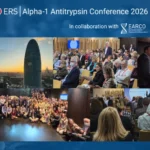









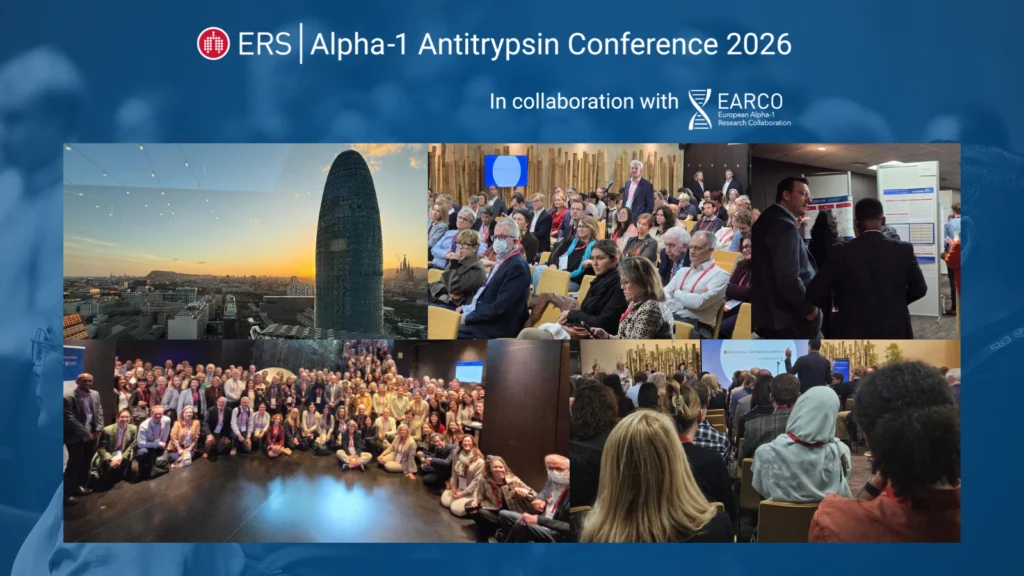
BARCELONA, Spain – As the medical community continues to push the boundaries of genetic medicine, the ERS Alpha-1 Antitrypsin Conference 2026, held on October 23–24, served as a pivotal nexus for innovation in the management of Alpha-1 Antitrypsin Deficiency (AATD). By uniting researchers, clinicians, and patient advocates under the collaborative umbrella of the European Alpha-1 Research Collaboration (EARCO), the event underscored a significant shift toward personalized, patient-centric care for this often-underdiagnosed condition.
Main Facts: A Convergence of Expertise
The two-day summit in Barcelona addressed the pressing need for standardized, high-quality care in a condition characterized by a severe lack of the Alpha-1 antitrypsin protein, which protects the lungs and liver from damage. With AATD often remaining misdiagnosed as asthma or chronic obstructive pulmonary disease (COPD), the conference placed a premium on early detection, the refinement of clinical phenotypes, and the integration of cutting-edge genetic therapies.
Key themes included:
- The Evolution of Evidence: Leveraging large-scale registry data to understand disease progression.
- Precision Medicine: The emergence of gene-editing technologies as potential curative pathways.
- Patient-Centricity: The necessity of integrating the "lived experience" into the design of future clinical trials and health policy.
Chronology of the 2026 Summit
The conference followed a structured, multidisciplinary approach designed to bridge the gap between laboratory discovery and bedside application.
Day 1: The Foundation of Discovery
The proceedings opened with a focus on the current state of AATD diagnostics. Experts highlighted the "diagnostic odyssey" that many patients endure before receiving a correct genetic confirmation. Sessions on the opening day provided a comprehensive overview of the diversity of clinical phenotypes, acknowledging that the disease manifests differently across age groups and genetic backgrounds. The afternoon was dedicated to the EARCO session, where the focus shifted to the power of international collaboration. By pooling data across borders, EARCO has created a robust infrastructure for observing how environmental factors and genetic modifiers influence lung and liver health in AATD patients.
Day 2: From Innovation to Implementation
The second day transitioned from diagnostic challenges to the future of treatment. Attendees engaged in intensive discussions regarding novel therapies, specifically focusing on mRNA-based interventions and the promise of gene editing. The day concluded with the presentation of the scientific awards, which served as a microcosm of the conference’s overall trajectory: balancing high-tech genetic breakthroughs with practical, actionable clinical tools.
Supporting Data: Innovations in Research and Risk Stratification
The scientific caliber of the conference was anchored by two landmark presentations that received top honors, illustrating the dual focus of modern AATD research.
Cutting-Edge Genetic Intervention
Dr. Simon Krooss was awarded the "Best Oral Presentation" for his work on in vivo base editing in PI*ZZ alpha-1 antitrypsin deficiency. Reporting on the YOLT-202 Phase I clinical trial, Dr. Krooss presented data that has ignited excitement within the respiratory community. Base editing—a refined form of CRISPR technology—offers the potential to correct the genetic mutation at the source rather than merely treating the downstream symptoms of the protein deficiency. The results from the YOLT-202 trial represent a critical step toward a potential functional cure, marking a departure from traditional augmentation therapy.
Practical Clinical Assessment
Conversely, Dr. Suzanne Margaret Roche received the "Best Poster Presentation" award for her work on a baseline clinical score for long-term risk stratification. Recognizing that not all AATD patients progress at the same rate, Dr. Roche’s research provides clinicians with a standardized tool to predict disease trajectories. This score is vital for healthcare systems aiming to optimize resource allocation, ensuring that patients at the highest risk receive the most aggressive monitoring and intervention.
Official Responses and Collaborative Visions
The collaboration between the European Respiratory Society (ERS) and EARCO has long been viewed as the gold standard for rare disease research networks. In the corridors of the Barcelona conference, the consensus was clear: the era of siloed research is ending.
"We are no longer just looking at a protein deficiency; we are looking at a complex biological system that requires a multidisciplinary response," noted one lead investigator during a roundtable discussion. The involvement of patient advocates was not merely performative; they participated in panels that challenged researchers to prioritize outcomes that matter to patients, such as exercise tolerance, mental health, and the impact of disease on family life.
The patient perspective was a recurring motif, with advocates demanding that "timely diagnosis" be elevated from a catchphrase to a measurable clinical goal. This, they argued, requires systemic changes in primary care education, where physicians are often the first line of defense but lack the specific training to flag AATD symptoms early.
Implications for Future Care Pathways
The implications of the 2026 conference are far-reaching, setting an ambitious agenda for the next two years of AATD research and policy.
1. The Rise of Personalized Monitoring
With the introduction of risk stratification tools like those developed by Dr. Roche, the clinical community is moving toward a more individualized monitoring schedule. Rather than a "one-size-fits-all" approach to pulmonary function testing, future pathways will likely be dictated by the patient’s genetic profile and early baseline assessments, allowing for preemptive care before irreversible lung damage occurs.
2. A Shift in Treatment Paradigms
The YOLT-202 trial results signal a potential shift in the therapeutic landscape. If gene-editing technologies continue to demonstrate safety and efficacy in upcoming phases, the treatment burden for patients—currently defined by frequent intravenous infusions—could be significantly reduced or potentially eliminated.
3. Strengthening the Global Registry
The success of the EARCO data network serves as a blueprint for other rare disease communities. By proving that international data-sharing can successfully characterize a rare disease, the AATD community is setting a precedent for how rare, genetic, and chronic conditions should be studied on a global scale.
Continuing the Conversation: The Path Forward
The momentum generated in Barcelona will be carried into November, which is AATD Awareness Month. To ensure that the insights gained at the conference are disseminated to a wider audience, including those who could not attend in person, the ERS is hosting a specialized webinar on November 4.
This event is designed to be highly accessible, inviting both clinicians and patients to engage in a live dialogue. The panel, which will include ERS President Dr. Marc Miravitlles, aims to synthesize the complex scientific data from the conference into actionable takeaways for daily practice.
Why This Webinar Matters
For respiratory professionals, the webinar represents a unique opportunity to bridge the gap between high-level research and clinical application. For patients, it provides a rare glimpse into the future of their treatment, offering hope through the lens of evidence-based scientific progress. As Dr. Miravitlles and his colleagues prepare to present these findings, the message is one of guarded optimism: while the challenges of AATD remain significant, the synergy between innovative gene therapy and patient-centered research has never been stronger.
Key Takeaways for Attendees:
- Updates on Gene Editing: A breakdown of what the YOLT-202 results mean for the patient population.
- Clinical Best Practices: How to implement the new risk stratification scores in a standard clinic setting.
- The Power of Advocacy: How patient groups are successfully influencing the research agenda and funding priorities.
As the curtain closes on the 2026 conference, the medical community looks ahead with a reinforced commitment to ending the diagnostic delay and transforming AATD from a life-limiting condition into a manageable—and perhaps one day, curable—reality. Respiratory professionals and patient advocates alike are encouraged to register for the upcoming webinar to ensure they are at the forefront of these transformative developments.
For more information on the upcoming webinar or to access resources from the ERS Alpha-1 Antitrypsin Conference 2026, visit the European Lung Foundation website.