










14 July, 2026
The landscape of respiratory medicine is currently witnessing a paradigm shift in how we approach rare genetic disorders. At the heart of this evolution lies Alpha-1 Antitrypsin Deficiency (AATD), a condition that continues to challenge diagnostic capabilities and therapeutic protocols globally. As the international medical community converges for the upcoming European Respiratory Society (ERS) Alpha-1 Antitrypsin Conference, the sense of urgency—and optimism—is palpable.
Designed as a premier gathering for respiratory professionals, the conference serves as a critical junction for clinicians, researchers, and stakeholders to synthesize the latest scientific breakthroughs into actionable clinical practice.
Main Facts: A Convergence of Expertise
The two-day event is structured to bridge the gap between bench research and bedside care. The primary objective is twofold: to consolidate current global knowledge on AATD and to provide a platform for professional development that transcends traditional academic boundaries.
The conference is not merely a series of lectures; it is a high-impact forum. With all major global AATD research groups in attendance, the event offers an unparalleled window into the "state of the science." Attendees can expect a comprehensive overview of the condition, ranging from the latest genetic breakthroughs to the practical, daily realities of managing patients with compromised lung and liver function.
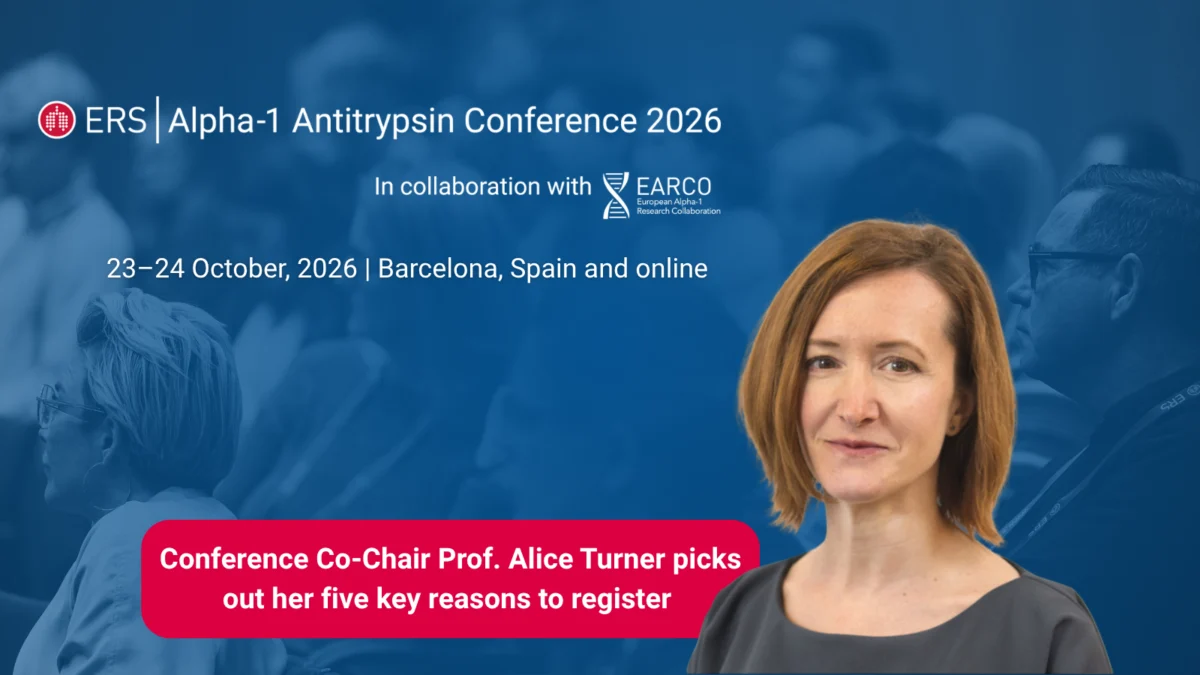
Co-Chair Prof. Alice Turner, a leading voice in the field, has underscored the importance of this gathering, noting that the program is meticulously curated to address the "real-world" challenges faced by practitioners. By focusing on diagnostic accuracy, patient-centric care pathways, and the nuances of emerging therapies, the ERS is setting a high bar for specialized respiratory education.
Chronology: The Evolution of AATD Research
The history of AATD research has been characterized by slow, incremental progress, followed by a recent acceleration driven by biotechnology and international collaboration.
- 1963: The initial discovery of alpha-1 antitrypsin deficiency by Laurell and Eriksson, which established the link between protein deficiency and pulmonary emphysema.
- 1990s–2010s: The era of registry building. The establishment of national and international databases began to provide the first robust data on the natural history of the condition.
- 2020–2025: The "Therapeutic Expansion" phase. With the advent of novel augmentation therapies and gene-silencing technologies, the research focus shifted from passive management to active, personalized treatment.
- July 2026: The ERS Alpha-1 Antitrypsin Conference marks a turning point. It is the first major summit of the post-pandemic era to fully integrate digital health advancements with traditional clinical research, providing a roadmap for the next decade of AATD care.
The upcoming conference represents the culmination of years of collaborative efforts, specifically through initiatives like the European Alpha-1 Research Collaboration (EARCO). By reviewing the trajectory of the last few years, participants will be able to contextualize current research within the broader history of the disease.
Supporting Data: Why This Field Demands Attention
The urgency of this conference is backed by shifting clinical metrics. Recent data from global registries indicate that AATD remains significantly under-diagnosed. Statistics suggest that it can take years for patients to move from their first symptoms to a definitive diagnosis, a gap that directly impacts long-term survival rates.
The conference will deep-dive into the following data-driven domains:
- Diagnostic Disparities: Analysis of why early-onset emphysema is frequently misdiagnosed as asthma or COPD.
- Therapeutic Efficacy: Reviewing longitudinal outcomes from current augmentation therapies and identifying candidates for emerging clinical trials.
- Genotype-Phenotype Correlation: Utilizing advanced genomic sequencing to predict the severity of AATD, allowing for proactive, rather than reactive, treatment plans.
By presenting this data in a forum that encourages peer-to-peer critique, the ERS aims to standardize the interpretation of these findings, ensuring that clinicians worldwide are reading from the same playbook.
Official Responses and Expert Insights
Prof. Alice Turner highlights that the "small-meeting" format of the ERS conference is its greatest asset. In an era of massive, impersonal global congresses, this conference provides a "high-touch" environment.
The "Hot Topics" and Controversies
One of the most anticipated segments of the program is the pro-con debate on the relationship between AATD and bronchiectasis. This is a contentious area in modern pulmonology, as the pathophysiological link is often debated in clinical circles. By pitting experts against one another in a structured debate format, the conference forces attendees to weigh the evidence for themselves, moving beyond textbook summaries to explore the "grey areas" of medicine.
Bridging the Stakeholder Gap
The conference goes beyond the clinician’s perspective by inviting patient organizations, charities, and industry leaders to the table. This holistic approach is essential. As Prof. Turner notes, "Uniting all stakeholders helps drive both the development of new treatments and wider access to care." Without the alignment of those who pay for, produce, and administer these therapies, clinical innovation often stalls at the regulatory or insurance stage.
Implications: The Future of Patient Care
The long-term implications of this conference are far-reaching. For the early-career professional, the event serves as a launchpad. The direct access to the EARCO research committee offers a rare chance to secure placements in top-tier research centers. These connections are often the catalysts for the next generation of breakthrough papers and clinical trials.
Building Global Capacity
For the global medical community, the conference serves as a blueprint for "capacity building." By sharing best practices for establishing registries and patient advocacy programs, the ERS is helping to elevate the standard of care in regions where AATD resources may currently be limited.
A Call to Action
The final takeaway for all attendees is the mandate to improve patient outcomes through immediate, evidence-based application. Whether it is refining a diagnostic algorithm or navigating the complexities of emerging gene therapies, the conference ensures that no clinician leaves without a clearer vision for their practice.
As the respiratory community prepares for the event, the focus remains clear: AATD is a manageable condition if identified early and treated with precision. The ERS Alpha-1 Antitrypsin Conference provides the tools to make that vision a reality.
Conclusion: How to Participate
The importance of this event cannot be overstated for any practitioner dealing with chronic respiratory issues. Those interested in participating are encouraged to review the full conference program, which details the workshops, keynote sessions, and networking opportunities.
- Register for the event: Visit the ERS Portal
- View the full programme: Download the schedule here
In the rapidly moving field of AATD, staying stationary is the same as falling behind. By attending this conference, professionals are not just gaining information; they are joining a global effort to transform the lives of patients suffering from this often-overlooked genetic condition. Whether you are a seasoned researcher or a clinician just beginning to encounter AATD in your practice, the ERS Alpha-1 Antitrypsin Conference is the essential destination for the 2026 professional year.
The convergence of diverse perspectives—from the patient’s lived experience to the researcher’s clinical data—will ensure that the progress made in the meeting rooms of this conference reverberates in clinics and hospitals long after the final session has concluded.