The legal entanglement surrounding Apple Tree Partners (ATP), a prominent venture capital firm known for nurturing early-stage biotech startups, has reached a new, volatile crescendo. A recent ruling from a court in the Cayman Islands has injected fresh uncertainty into a protracted dispute that has already forced the firm into a U.S. bankruptcy proceeding. The conflict, which pits the firm’s founder, Seth Harrison, against the primary backer—a trust tied to Russian billionaire Dmitry Rybolovlev—is now a cross-jurisdictional tug-of-war that threatens the future of several high-profile medical research companies.
The Core Conflict: A Partnership Gone Sour
The relationship began with ambitious promise in 2012, when the Rybolovlev family trust, represented by the investment vehicle Rigmora, entered into an agreement to provide up to $1.5 billion in funding to support ATP’s biotech ventures. For over a decade, this capital served as the lifeblood for an array of innovative companies, including Intergalactic Therapeutics, which focuses on gene therapy, and Red Queen Therapeutics, a developer of treatments for infectious diseases. The funding also facilitated the growth of entities like Akero Therapeutics, a company that has since become a significant player in the metabolic disease space.
However, the partnership, once a model of venture capital synergy, has descended into a bitter confrontation. The breakdown centers on accusations of capital withholding and mismanagement. Last year, ATP initiated legal action in the Delaware Chancery Court, alleging that Rigmora had failed to meet its contractual capital commitments, effectively starving its portfolio companies of the liquidity required to sustain clinical trials and operational development.
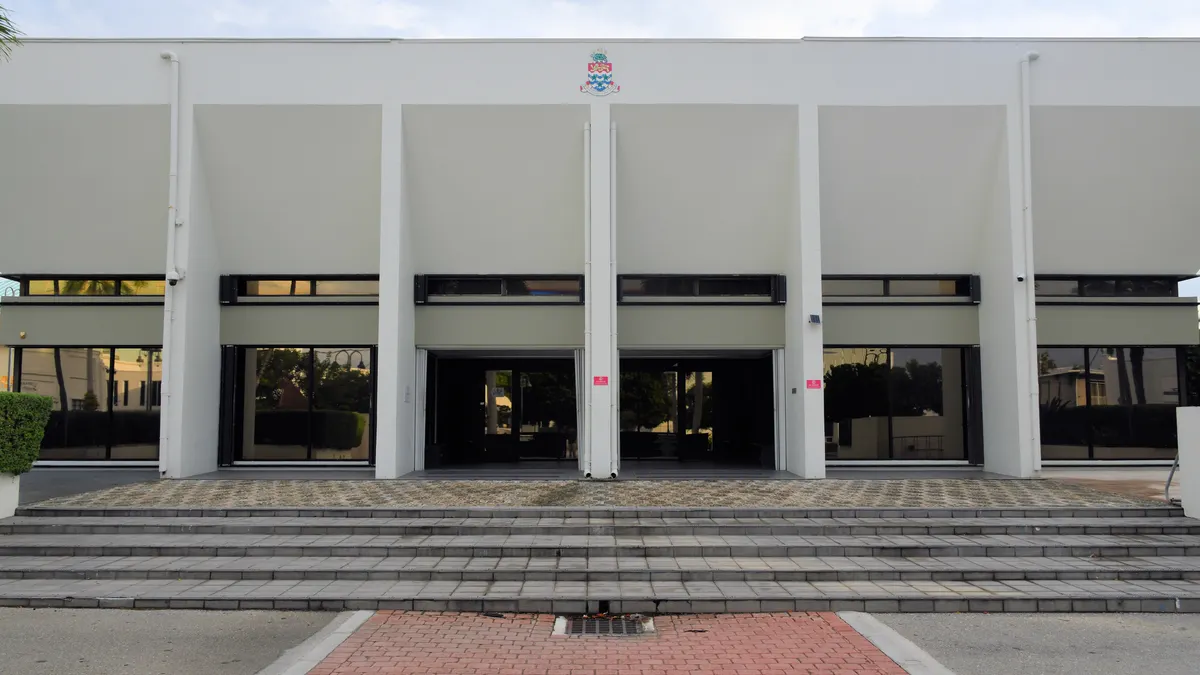
Rigmora countered with its own aggressive litigation in the Cayman Islands, where the investment fund is domiciled. Their allegations were systemic: Rigmora claimed that ATP, under Harrison’s stewardship, had engaged in mismanagement of assets, arguing that the only viable path forward was to wind down the fund entirely.
Chronology of a Financial Standoff
The escalation of this dispute has been marked by a series of rapid-fire legal maneuvers that illustrate the complexity of international corporate law.
- 2012: The initial funding agreement is established, with Rigmora committing $1.5 billion to ATP’s biotech investment strategy.
- 2023: ATP files suit in the Delaware Chancery Court, accusing Rigmora of reneging on capital commitments.
- December 2025: The Delaware Chancery Court issues a significant ruling, ordering Rigmora to pay approximately $97 million to cover budgets for specific startups. However, the court deferred a final decision on the long-term management of the fund, noting that the Cayman Islands proceedings were better suited to adjudicate claims of a total loss of confidence in Harrison’s leadership.
- Early 2026: Following the Delaware ruling, ATP filed for Chapter 11 bankruptcy protection in the United States—a defensive measure intended to protect the firm’s assets from creditors while it attempts to reorganize.
- July 2026: A Cayman Islands court issues a landmark ruling favoring Rigmora’s position, ordering the removal of Harrison and the appointment of independent directors to oversee the fund.
The Bankruptcy Gambit and Jurisdictional Friction
The decision by ATP to seek bankruptcy protection was, at the time, viewed by Rigmora as a transparent "delay tactic" designed to evade the oversight of the Cayman courts. Rigmora’s attempts to dismiss the U.S. Chapter 11 case were unsuccessful, though the firm has since filed an appeal.
The situation has now created a fractured legal reality. In the Cayman Islands, the court has effectively stripped Harrison of his control, ordering that the fund be managed by independent officers tasked with maximizing the value for the investors. Conversely, in the United States, the bankruptcy court remains the primary forum for determining the firm’s reorganization plan.
A spokesperson for ATP emphasized this discrepancy, noting that the Cayman Islands decision has not been recognized within the U.S. judicial system. "The Delaware bankruptcy court has repeatedly reserved for itself solely the authority to decide the go-forward plan," the spokesperson stated. In that venue, Harrison has proposed a motion to fund the portfolio companies for the remainder of the year—a plan that notably includes a proposal for Harrison himself to bid on the acquisition of these companies.

Financial Scope: Assets and Liabilities
The scale of the potential fallout is substantial. According to the bankruptcy filings, ATP manages roughly $3.6 billion in assets. However, the firm is also grappling with significant financial pressure, reporting approximately $216 million in outstanding debts.
The struggle is not merely academic; it has real-world consequences for the scientific pipelines under the ATP umbrella. Startups that rely on the steady influx of venture capital are currently in a state of limbo. If the bankruptcy proceedings result in a fire sale or a messy dissolution, the momentum of clinical-stage research—much of which is years away from commercialization—could be permanently lost.
Implications for the Biotech Venture Ecosystem
The ATP saga serves as a cautionary tale regarding the fragility of venture capital governance. When the relationship between a general partner and a limited partner breaks down, the collateral damage often includes the very startups the fund was designed to protect.
1. The Erosion of Investor Confidence
The public nature of this dispute may deter other institutional investors from committing to long-term biotech funds if they fear that management disagreements could lead to multi-year legal paralysis. The, "loss of confidence" cited by the Cayman court is a powerful narrative that could influence how future limited partnership agreements are drafted, potentially leading to more rigid "key man" clauses or clearer exit triggers.

2. The Risk to Clinical Pipelines
For the startups under the ATP umbrella, the primary concern is the continuity of funding. Drug development is a capital-intensive process that requires years of certainty. A shift in control to independent, court-appointed directors—who may lack the specialized expertise of the original investment team—could lead to a re-evaluation of the firm’s entire portfolio, potentially resulting in the abandonment of high-risk, high-reward projects.
3. Cross-Border Legal Complexity
The divergence between the Delaware bankruptcy court and the Cayman Islands judicial system highlights the challenges of globalized finance. As courts in different jurisdictions weigh in on the same set of assets, the risk of contradictory rulings increases. This "forum shopping" or "jurisdictional ping-pong" adds layers of legal fees that ultimately erode the value available to the very companies the litigation is meant to save.
Looking Ahead: A Path to Resolution?
As the appeal process in the U.S. continues and the new independent directors in the Cayman Islands attempt to assert their authority, the biotech industry remains on high alert. The fundamental question remains: Can the interests of the investors, the founder, and the portfolio companies be reconciled before the bankruptcy process forces a liquidation of the firm’s assets?
For now, the battle for Apple Tree Partners remains a high-stakes chess match. Whether through a court-mandated restructuring or an eventual settlement that allows the firms to continue their work under new management, the conclusion of this case will likely set a precedent for how the biotech sector handles the collapse of its most prominent financial pillars. For the researchers and scientists at the bench, the priority remains clear: the need for stable, long-term capital to finish the work of turning laboratory discoveries into life-saving medicines.