By Nathan Owens | July 31, 2026
In a significant move to alleviate the chronic supply constraints facing the global pharmaceutical market, contract manufacturing powerhouse Resilience has announced a massive $750 million investment in its production capabilities. The expansion, executed in strategic partnership with Eli Lilly and Company, is set to bolster the manufacturing of GLP-1 injectables—the class of medications that have revolutionized the treatment of diabetes and obesity. This initiative will not only fortify the domestic supply chain for critical therapies but also result in the creation of 400 specialized manufacturing jobs within Resilience’s Ohio-based facilities.
The Strategic Imperative: Addressing the GLP-1 Supply Gap
The biopharmaceutical industry is currently grappling with a "supply-demand mismatch" of historic proportions. As blockbuster GLP-1 medications like Mounjaro and Zepbound see exponential growth in patient adoption, the pressure on manufacturing infrastructure has reached a fever pitch.
This $750 million infusion into the Resilience production network is designed to mitigate these pressures. By expanding capacity for sterile injectables and complex device assembly, the partnership aims to stabilize the supply chain for patients who have faced intermittent shortages over the past several years. The investment reflects a broader industry trend where major pharmaceutical innovators are moving away from sole reliance on internal manufacturing toward a "hybrid" model, leaning heavily on specialized contract development and manufacturing organizations (CDMOs) like Resilience to scale rapidly.
Chronology of Expansion and Operational Growth
The recent announcement is the latest in a series of strategic pivots for Resilience, which has rapidly transformed into a linchpin of American pharmaceutical manufacturing.
- 2023-2024: Resilience begins deepening its partnership with Eli Lilly, focusing on the specialized assembly and packaging of high-demand sterile injectables.
- June 2026: In a major corporate restructuring, Resilience announces the relocation of its global headquarters from San Diego, California, to Blue Ash, Ohio. This decision was driven by a desire to centralize operations closer to its primary manufacturing footprint, signaling a long-term commitment to the Midwest industrial corridor.
- July 2026: The $750 million joint investment with Eli Lilly is finalized. The scope of the project includes significant upgrades to facility infrastructure, clean-room expansion, and the procurement of advanced automated assembly lines.
- Late 2026 and Beyond: The phased hiring of 400 new employees is slated to begin, with a focus on roles ranging from aseptic processing technicians to quality assurance and supply chain logistics managers.
Supporting Data: A Market Poised for Unprecedented Growth
The urgency behind this investment is supported by staggering market projections. According to recent analysis by Morgan Stanley, the global market for GLP-1 therapeutics is on a trajectory to potentially double in size, reaching an estimated $190 billion by 2035.
This growth is fueled by several converging factors:
- Expanded Clinical Indications: Beyond diabetes and obesity, GLP-1s are being studied for cardiovascular benefits, sleep apnea, and even addiction-related disorders.
- Broadened Insurance Coverage: As clinical evidence mounts, public and private payers are increasingly covering these high-cost medications, shifting them from "lifestyle" drugs to standard-of-care medical necessities.
- Diversification of Delivery: While injectables currently dominate the landscape, the pipeline is filling with oral formulations and combination therapies, further increasing the complexity and volume of required manufacturing output.
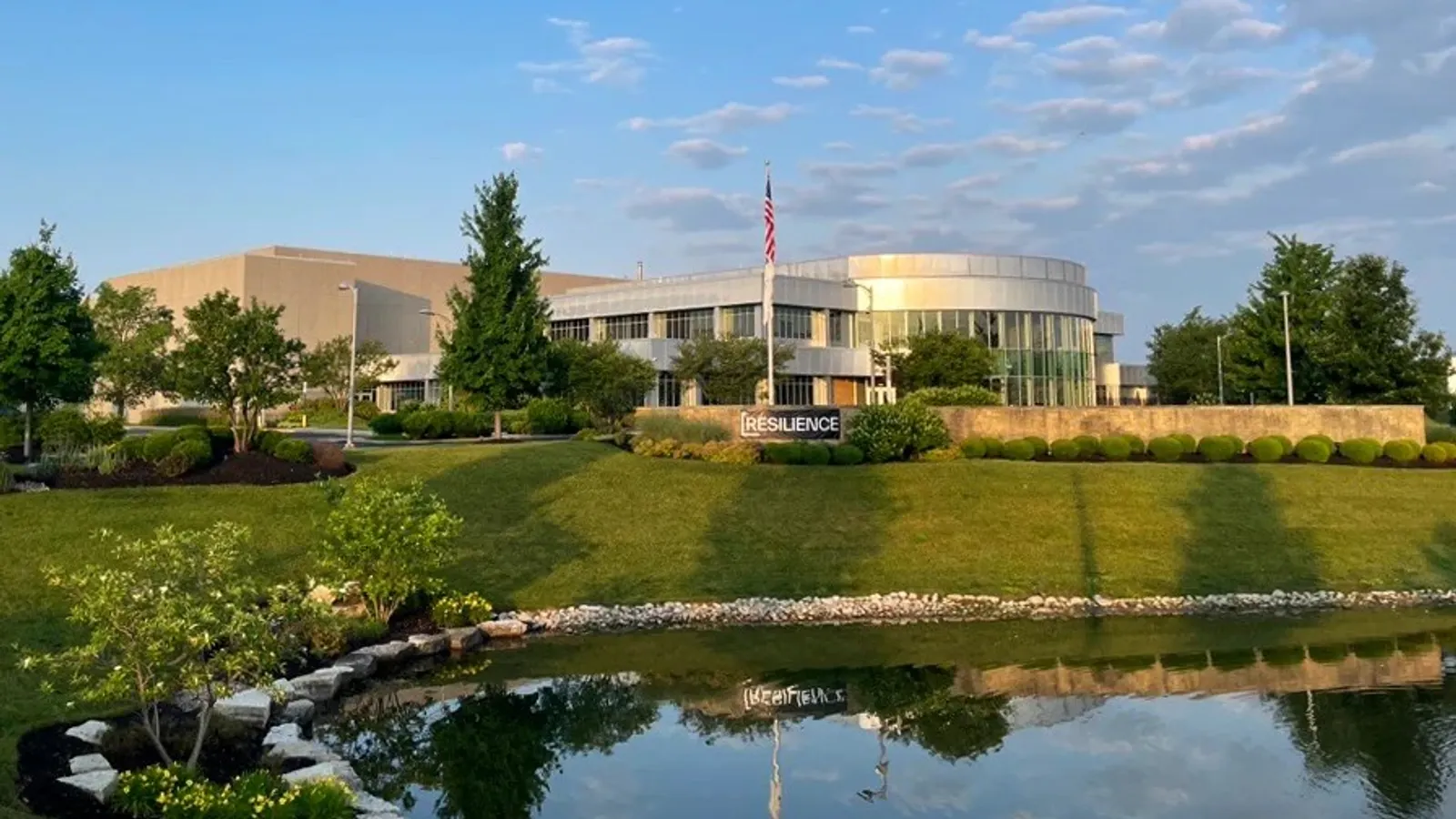
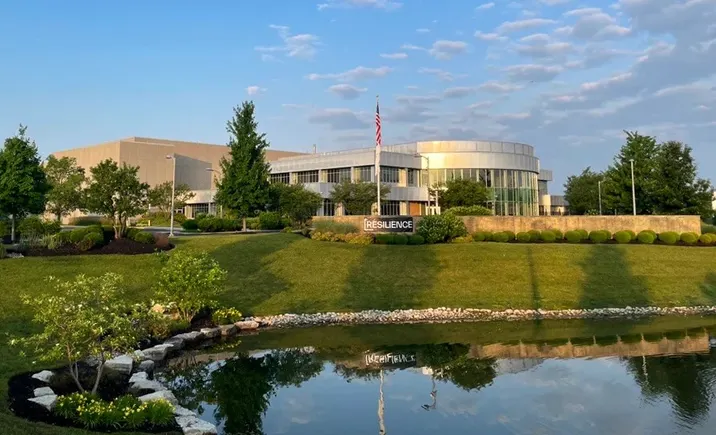
The infrastructure required to support this scale is immense. Resilience’s current presence in the Cincinnati area, which spans nearly 1 million square feet across two primary facilities, serves as the cornerstone of this expansion. By bolstering this existing site, the company avoids the lengthy lead times associated with greenfield construction, allowing for a more rapid transition to increased output.

Official Perspectives: The Vision for Resilience and Ohio
William Marth, President and CEO of Resilience, framed the investment as a vital component of the nation’s health security. In a formal statement following the announcement, Marth emphasized that the move is about more than just volume; it is about precision and reliability.
"We are proud of what we have built together with Lilly and this new expansion as we scale production of complex medicines in Ohio," Marth stated. "Our investment reflects our long-term commitment to building one of the largest and most advanced sterile injectable and device assembly and packaging operations in the United States."
The move to Ohio has also been met with enthusiasm from regional economic development stakeholders. By bringing its headquarters to Blue Ash, Resilience is not only cementing its role as a major employer but is also signaling that the Midwest remains a competitive hub for high-tech, high-stakes manufacturing. The 200 jobs associated with the corporate headquarters move, combined with the 400 new roles in manufacturing, represents a significant economic revitalization for the region.
Broader Industry Implications: The "Reshoring" Wave
The Resilience-Lilly partnership is a microcosm of a larger movement in the pharmaceutical sector: the reshoring and "friend-shoring" of critical drug manufacturing. Since late 2025, Eli Lilly has committed more than $16 billion toward a massive manufacturing expansion project across the United States.

Key nodes in this network include:
- Lebanon, Indiana: A $4.5 billion investment across two primary sites.
- Houston, Texas; Huntsville, Alabama; and Lehigh County, Pennsylvania: The construction of three massive, state-of-the-art facilities dedicated to the production of both injectable and oral weight-loss therapies.
This systematic buildup of capacity is a direct response to the vulnerabilities exposed during the COVID-19 pandemic and subsequent global supply chain disruptions. By localizing production, Lilly and Resilience are reducing the risk of global logistics failures and ensuring that American patients have uninterrupted access to lifesaving medications.
Looking Ahead: The Future of Sterile Injectable Manufacturing
As the industry looks toward the next decade, the challenge will remain in the complexity of these medications. Unlike traditional small-molecule drugs, GLP-1s often require sophisticated cold-chain logistics, specialized sterile manufacturing environments, and complex device assembly (such as auto-injectors).
Resilience’s investment in these specific capabilities—sterile filling and high-speed device assembly—positions the company to be a critical partner not just for Lilly, but for the wider biotech ecosystem. The integration of advanced robotics and AI-driven quality control within the Blue Ash facilities is expected to set a new benchmark for "Pharma 4.0," where data and automation drive efficiency to unprecedented levels.
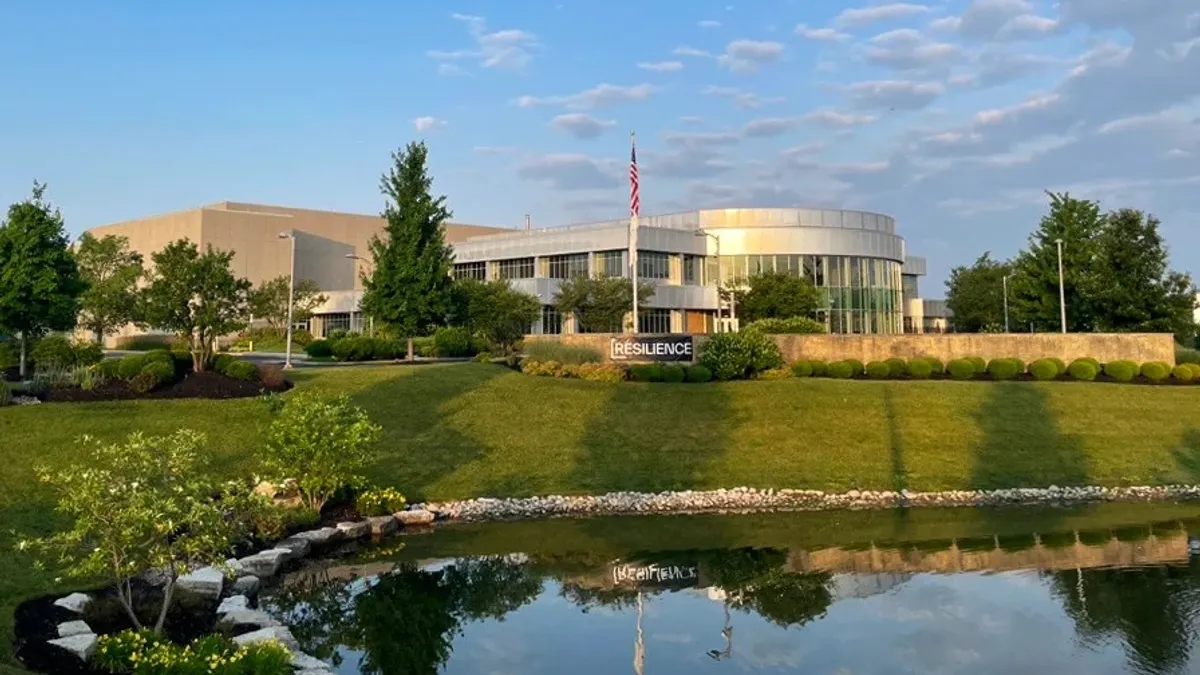
For the labor market, this expansion creates a high-demand pipeline for skilled workers. The 400 new positions will require training in clean-room protocols, Good Manufacturing Practice (GMP) compliance, and high-precision mechanical engineering. Local educational institutions and community colleges in the Cincinnati area are already beginning to align their vocational programs with the specific needs of the life sciences sector, creating a robust local talent pool.
Ultimately, the $750 million collaboration between Resilience and Eli Lilly is a testament to the fact that the "Obesity Era" of medicine is just beginning. As the demand for these drugs continues to outstrip supply, the companies that can solve the manufacturing puzzle will hold the key to the future of public health. With this expansion, Resilience is clearly staking its claim as a foundational pillar of that future.