







As the vibrant hues of autumn foliage take center stage and the oppressive heat of summer gives way to crisp, cool air, society enters a season characterized by both charm and hidden risks. For older adults, however, this transition requires more than just a wardrobe change. The shift in daylight, the accumulation of organic debris, and the volatility of temperatures present a complex web of environmental challenges that, if left unaddressed, can lead to serious health complications and injuries.
With the end of Daylight Savings Time approaching on November 1, the shortening days are already beginning to shorten our window of natural light. According to public health experts, this period is a critical juncture for families and caregivers to audit home safety and personal habits. By implementing proactive measures—ranging from improved lighting to thermal regulation strategies—older adults can navigate the autumn and winter months with confidence and independence.
The Facts: Why Autumn Demands Vigilance
The risks associated with the autumn transition are not merely anecdotal; they are rooted in physiological changes associated with aging and the environmental hazards inherent to the season. Falls remain the leading cause of injury-related morbidity among older adults, and the seasonal shift exacerbates this risk through two primary vectors: decreased ambient light and treacherous ground conditions.
The Physics of Autumnal Hazards
As sunlight hours dwindle, visual acuity becomes a primary safety concern. Age-related changes to the eye—such as the yellowing of the lens, decreased pupil size, and the clouding associated with cataracts—naturally reduce the amount of light reaching the retina. This makes the transition from bright daylight to dusk particularly difficult.
Furthermore, the physical landscape changes. Deciduous trees shed their leaves, creating a deceptive blanket over sidewalks, driveways, and stairs. While a leaf-covered path may appear aesthetic, it often masks uneven pavement, cracks, or loose gravel. Even dry leaves can be deceptively slick, acting like ball bearings underfoot, while wet, decomposing leaves create a slip-hazard equivalent to ice.
Chronology of Seasonal Risks
Understanding the timeline of autumn safety allows for better preparation:
- Early October: The onset of cooler mornings and warmer afternoons requires a focus on layering strategies. This is the time to service home heating systems and check vehicle tires and wiper blades.
- Late October: As the sun dips lower in the sky earlier each day, the "twilight period" (5:00 PM to 7:00 PM) becomes a high-risk time for pedestrians and drivers.
- November 1 (Daylight Savings Ends): This "fallback" event creates an immediate, artificial disruption in circadian rhythms and a sudden, drastic reduction in evening daylight.
- Late November/December: The permanent onset of winter-like conditions increases the risk of hypothermia and cold-stress, particularly for those on medications that affect thermoregulation.
Supporting Data: The Scope of the Challenge
Data from the Centers for Disease Control and Prevention (CDC) consistently indicates that one in four Americans aged 65 and older reports a fall each year. The environmental factors unique to autumn—specifically reduced visibility and slippery surfaces—are significant contributors to these statistics.
Sensory and Physiological Vulnerabilities
- Contrast Sensitivity: Older adults require higher levels of contrast to distinguish edges, such as a curb or a step. As natural light fades, this ability diminishes significantly.
- Glare Sensitivity: The low angle of the autumn sun creates intense glare, particularly during the "golden hour" of early morning and late afternoon. This is a primary cause of vehicle accidents involving drivers over the age of 70.
- Thermoregulation: Research shows that the hypothalamus, the body’s internal thermostat, becomes less efficient with age. Older adults lose body heat faster than younger individuals, and they are less likely to experience the physiological "shiver" response that signals the need for warmer clothing.
Official Recommendations: A Strategic Safety Plan
To combat these seasonal challenges, experts suggest a multi-tiered approach to home, transit, and personal safety.
H3: Optimizing the Home Environment
The goal is to eliminate "hidden" dangers before they result in a trip to the emergency room.
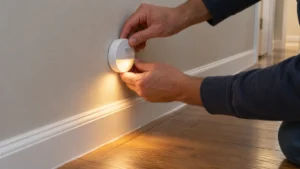
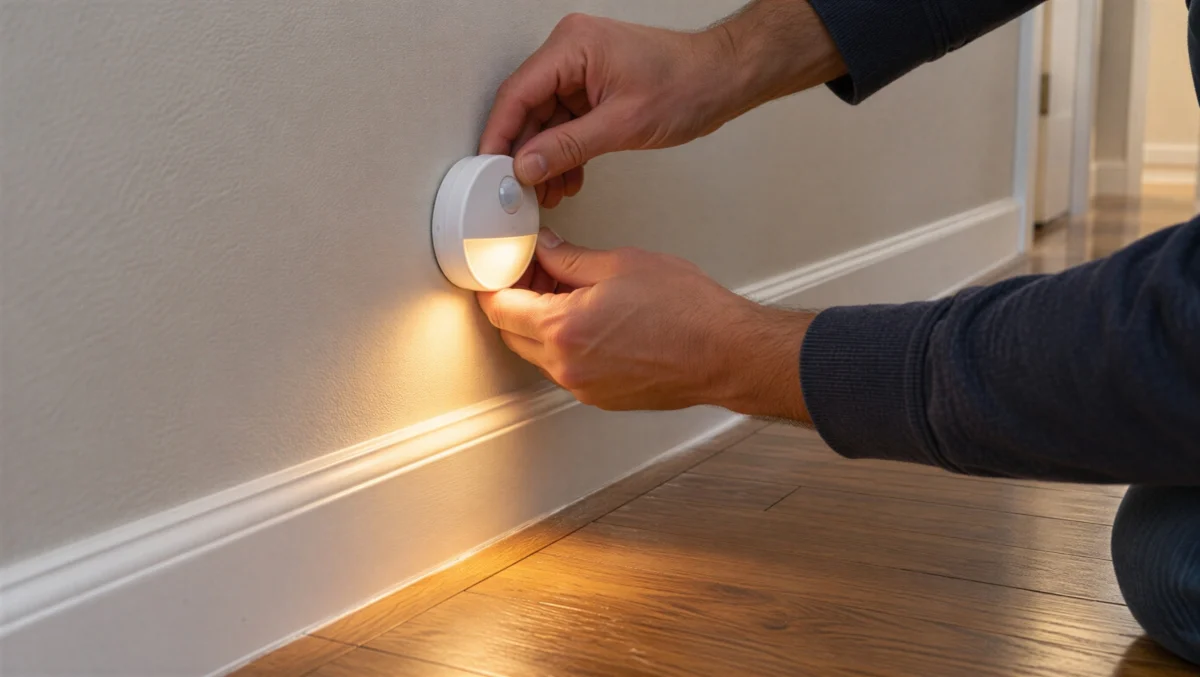
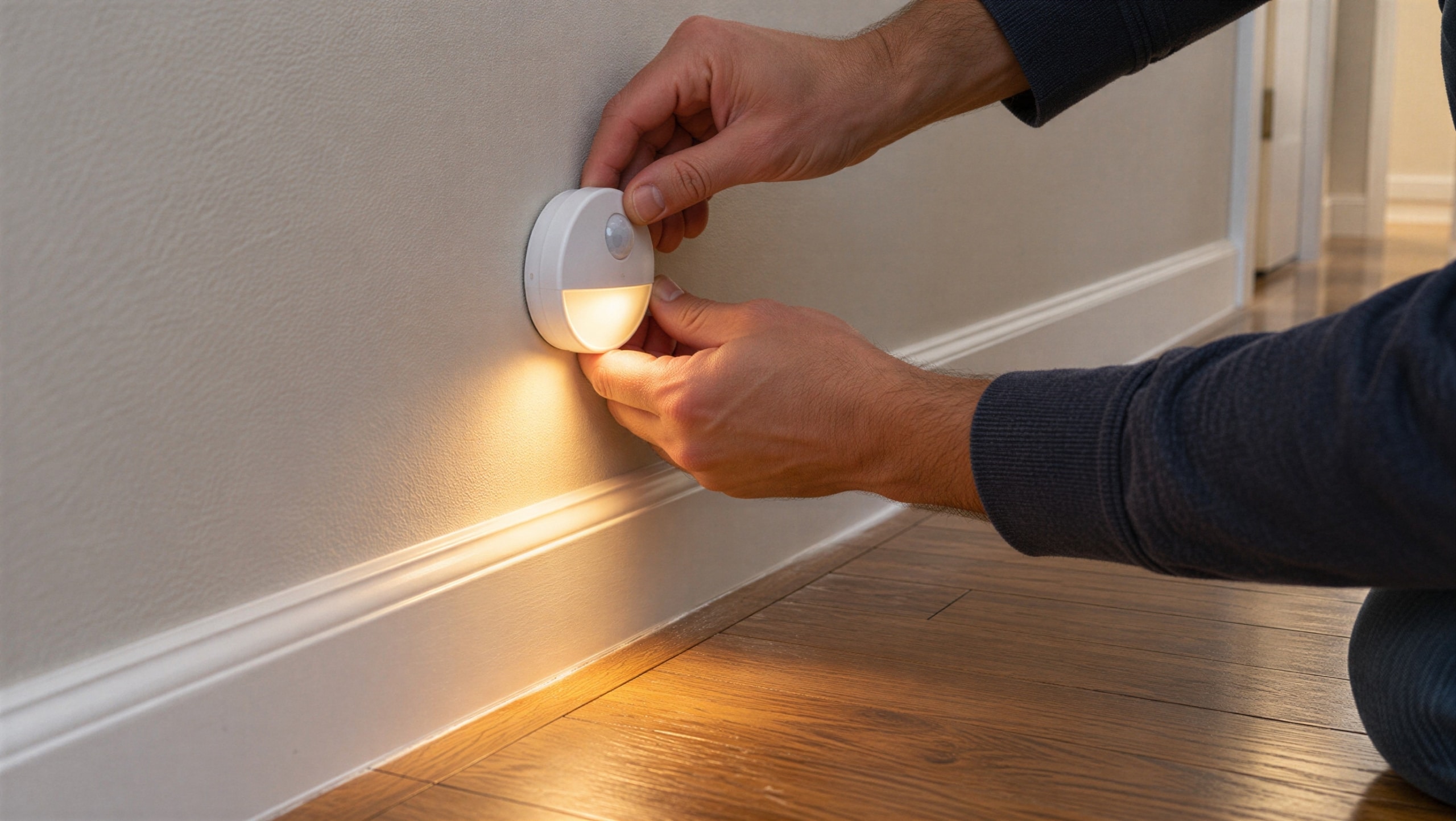
- Light Up the Path: Install motion-activated lighting at every entry point of the home. Solar-powered LED stakes are an inexpensive way to illuminate walkways without needing an electrician.
- Indoor Illumination: Place nightlights in hallways, bathrooms, and kitchens. A motion-sensing plug-in light can guide an individual to the bathroom at 3:00 AM without the need to fumble for switches in the dark.
- Clutter Clearance: Autumn is the time to remove decorative throw rugs, which are notorious tripping hazards. Clear all pathways of shoes, cords, and boxes.
H3: Safe Transit and Driving Habits
For those who continue to drive, the mandate is simple: change your schedule, not just your speed.
- Daylight Driving: Limit essential errands, such as grocery shopping or doctor’s visits, to the hours between 10:00 AM and 3:00 PM.
- Vehicle Readiness: Replace windshield wipers now, before the first frost. Ensure that all exterior lights—headlights, brake lights, and turn signals—are clean and fully functional.
- The "Safe Ride" Policy: If you feel hesitant about driving at night, do not hesitate to ask a friend, family member, or a ride-share service to handle evening transport. It is an investment in your safety.
H3: Thermal Management and Health
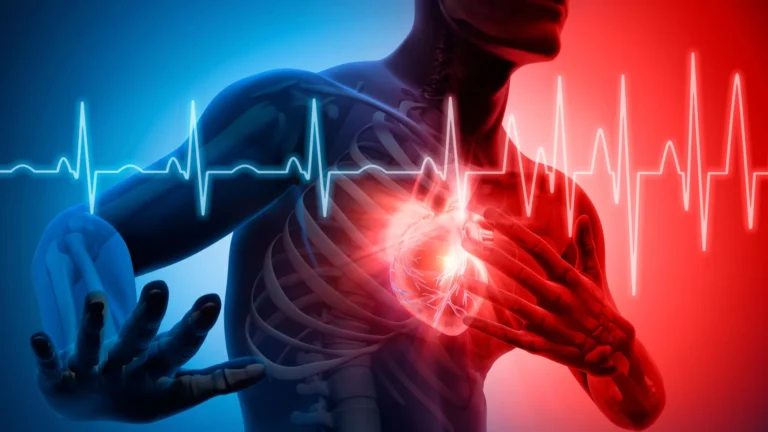
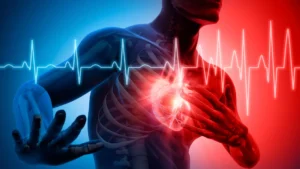
Maintaining core body temperature is essential for preventing cardiovascular stress.
- Layering: The "onion method" is the gold standard. A base layer for moisture, a middle layer for insulation (fleece or wool), and a wind-resistant outer layer provide the most flexibility.
- Home Heating: Before the first hard freeze, have a professional inspect your furnace. If you use space heaters, ensure they have automatic shut-off features if tipped over.
- Emergency Kits: Every vehicle should be stocked with a "Winter Survival Bag" containing a heavy blanket, a high-lumen flashlight, extra batteries, a portable power bank, non-perishable snacks, and a bottle of water.
Implications: The Psychological Dimension
While the physical dangers of autumn are clear, the psychological implications are equally significant. The reduction in sunlight and the potential for increased isolation can trigger symptoms of Seasonal Affective Disorder (SAD) and general feelings of loneliness.
As Katie Riley, Vice President of Communications for the Alliance for Aging Research, points out, the onus is not just on the older adult, but on their support network. "Fall and winter can bring feelings of loneliness and seclusion," Riley notes. "Offer a loved one a ride, a meal, or even a chat on the phone in the darker evening hours to help boost their mental health."
Social interaction is a protective factor. A scheduled phone call or a weekly visit can serve as a "wellness check," ensuring the older adult is eating properly, keeping their home warm, and managing their medications.
Conclusion: A Proactive Future
The transition into autumn does not have to be a period of anxiety or restricted movement. By recognizing that the body’s relationship with its environment changes as we age, we can proactively adapt our surroundings and schedules.
Whether it is clearing leaves from the porch, installing an extra set of motion-sensor lights, or simply making the conscious decision to avoid driving after sunset, these small, deliberate actions form a robust defense against the risks of the season. For families, the season provides a valuable opportunity to check in, connect, and ensure that their loved ones remain healthy, safe, and engaged throughout the changing of the year. As the days grow shorter, our commitment to looking out for one another must grow stronger.