Published: June 16, 2026
For many, the transition from the stillness of sleep to the demands of the workday is often marked by physical stiffness and mental chatter. As the body awakens, it often carries the residual stress of the previous day, manifesting as tightness in the shoulders, lower back, and hips. While caffeine might offer a temporary jolt of energy, a growing body of evidence suggests that intentional, slow-movement morning yoga is a far more effective remedy for chronic tension.
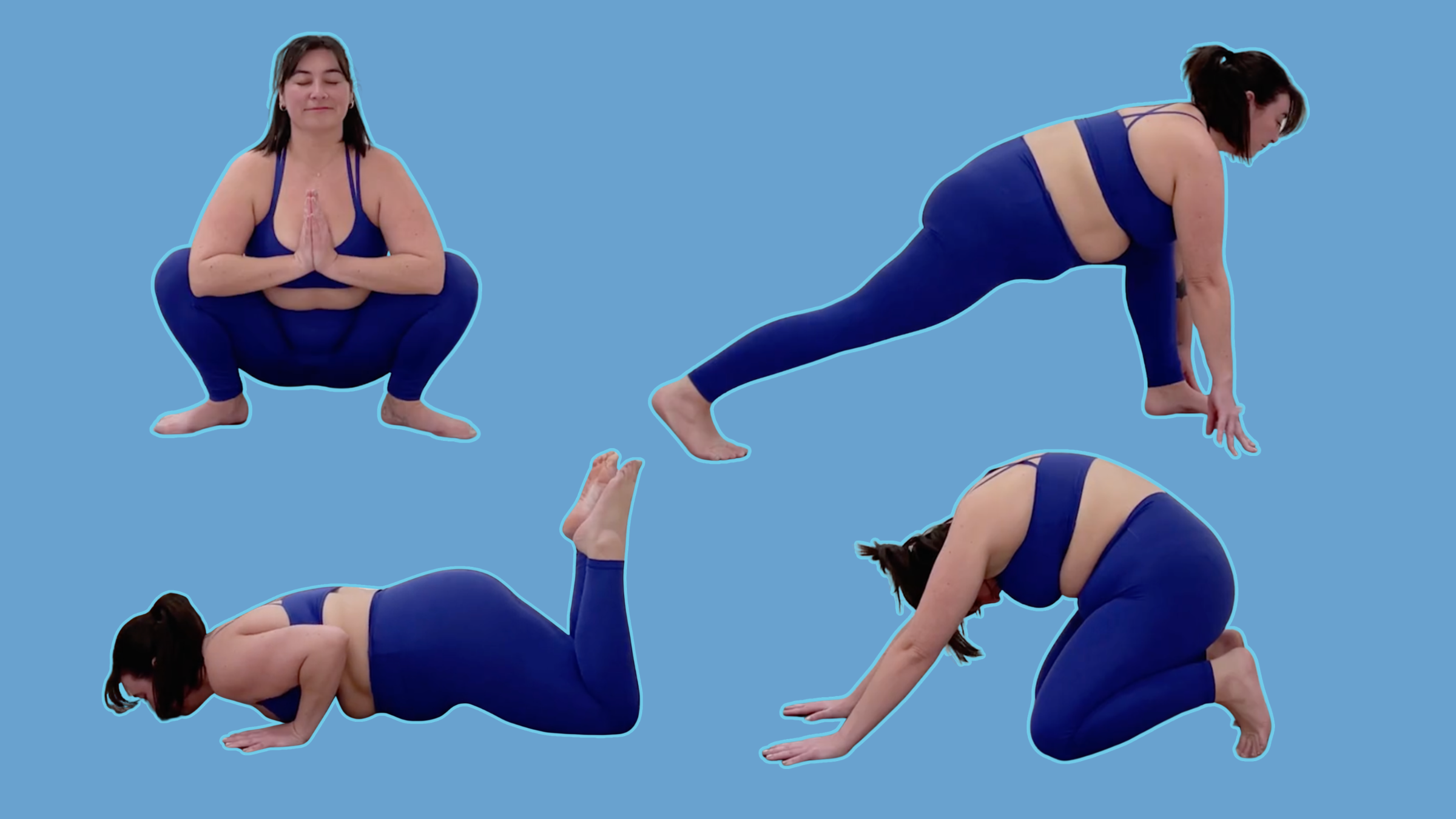
This guide explores a specialized 9-minute morning yoga sequence curated by instructor Taylor Lorenz. Designed to meet practitioners at their current level of flexibility, the flow emphasizes gentle rocking and fluid motion, serving as a bridge between the dream state and the waking world.
The Philosophy of Gentle Awakening
The core tenet of this morning practice is accessibility. Unlike high-intensity workouts that prioritize caloric burn or strength gains, this sequence is centered on the concept of "inviting life back into the body." By moving at a pace dictated by the breath rather than a clock, the nervous system is gradually transitioned from a parasympathetic state of rest to an alert, yet calm, state of readiness.
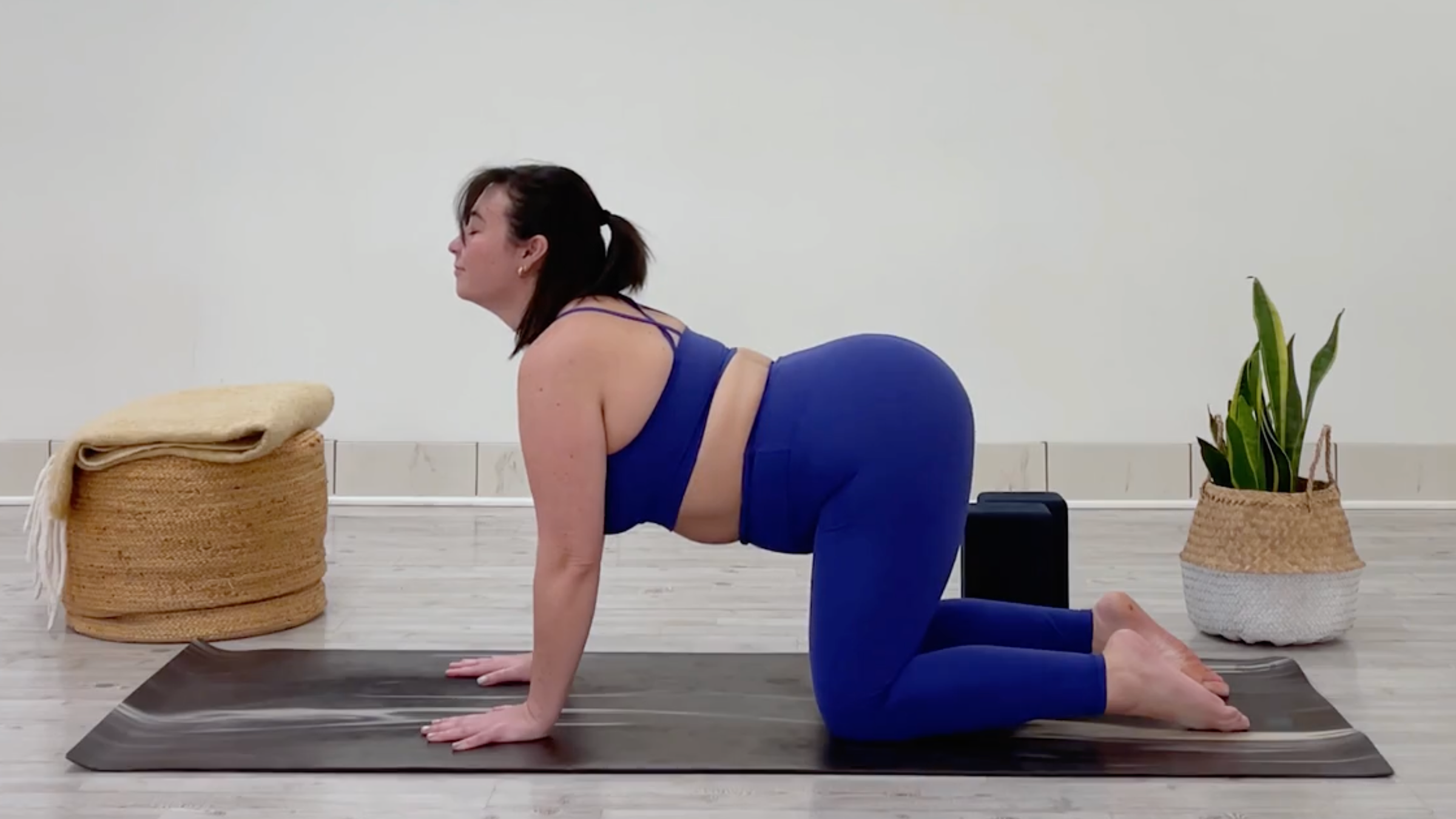
The practice requires no specialized equipment. While yoga blocks can be utilized for additional support or to bridge the gap between the floor and the hands for those with limited mobility, the sequence is designed to be performed with nothing more than a mat and a willingness to release physical holding patterns.
Chronology of the 9-Minute Flow
The following sequence is designed to be performed in a single, fluid progression, allowing the practitioner to move through various planes of motion.
The Foundation: Spinal Mobility
The practice begins in a Tabletop position, the ideal neutral starting point for spinal articulation.
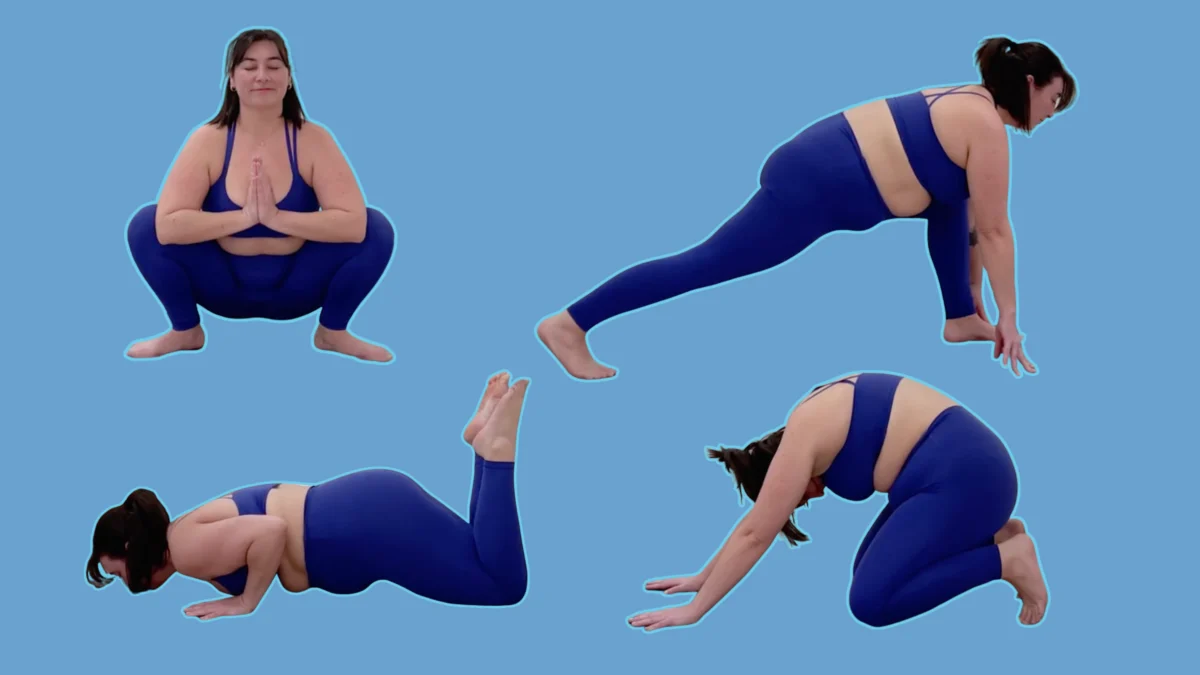
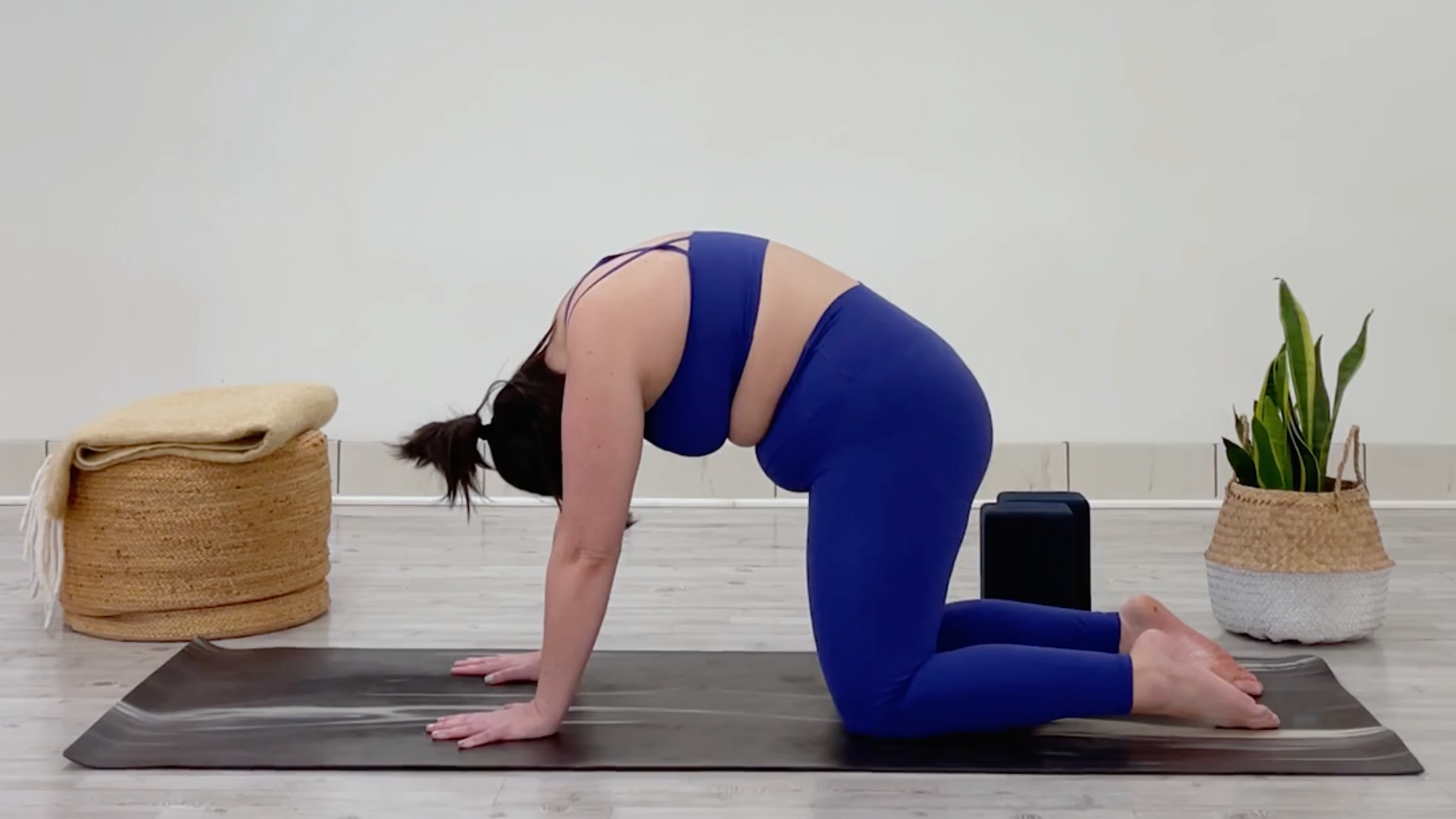
- Cow and Cat Poses: The session opens with the classic Cat-Cow sequence. On an inhalation, the practitioner drops the belly, lifts the chin, and opens the chest (Cow). On the exhalation, the back rounds, and the chin tucks toward the chest (Cat). This cycle, repeated three times, acts as a "wake-up call" for the vertebrae, lubricating the spine and encouraging blood flow to the core.
- Cat-Cow Tilt: Moving beyond the standard iteration, the practitioner holds the rounded Cat position and shifts the hips toward the heels, maintaining the spinal arch. By repeating this three times while keeping the toes tucked, the practitioner deepens the stretch through the lower back and creates space in the posterior chain.
Engaging the Posterior Chain
Once the spine is supple, the practice moves into more load-bearing positions to encourage circulation.
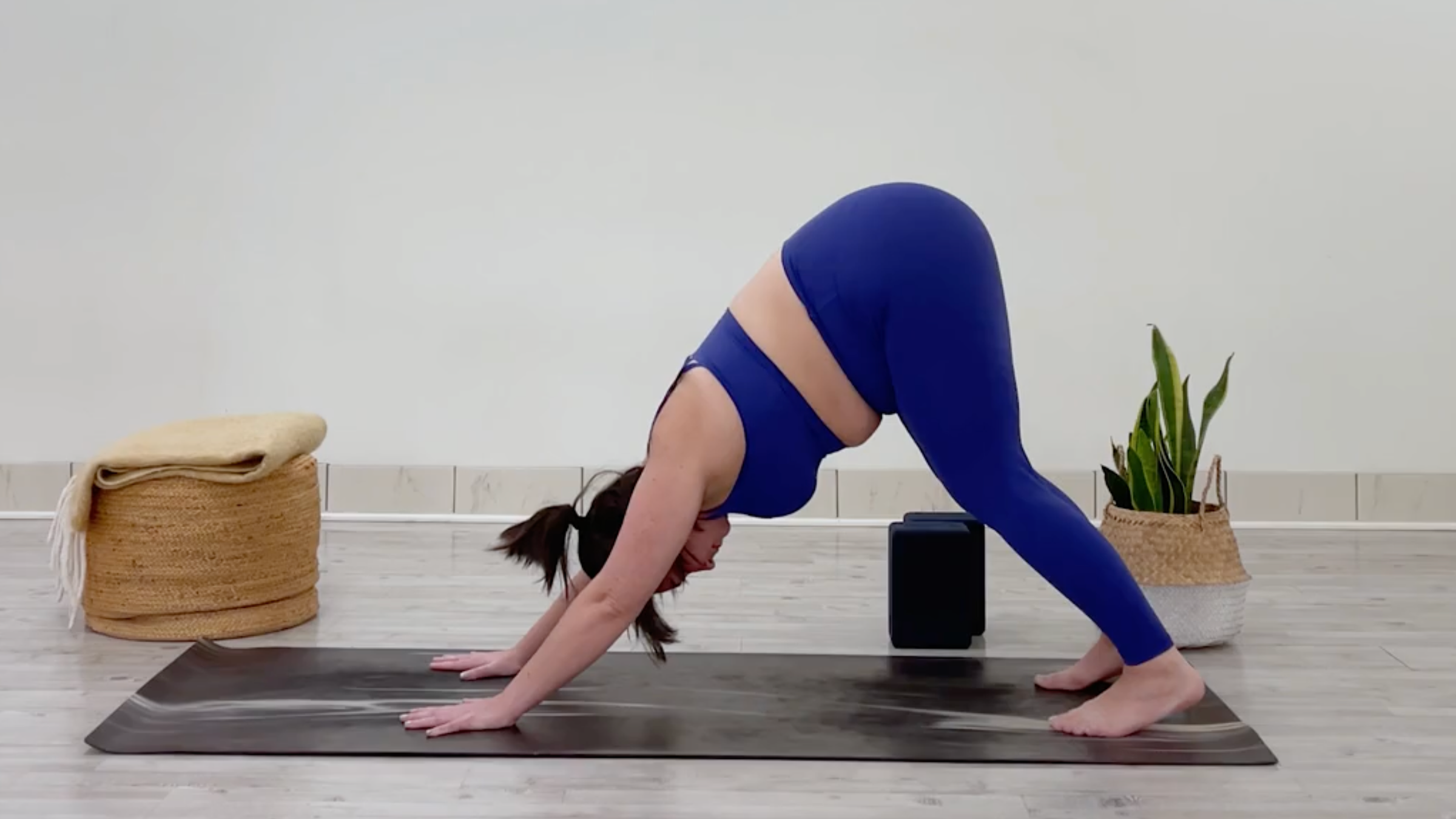
- Downward-Facing Dog: By pressing the hips up and back, the practitioner enters a foundational inversion. This pose is crucial for lengthening the hamstrings and decompressing the spine. Integrating "intuitive movement"—such as pedaling the feet or swaying the hips—allows the practitioner to address specific areas of localized tension.
- Scorpion Dog: This variation adds a layer of hip mobility. By lifting one leg into a Three-Legged Dog and bending the knee to stack the hips, the practitioner can perform slow, circular motions. These circles serve to nourish the hip joint with synovial fluid, mitigating the tightness that often accumulates from sedentary habits.
Lunges and Hip Openers
To counter the effects of prolonged sitting, the sequence moves into deep lunge variations.
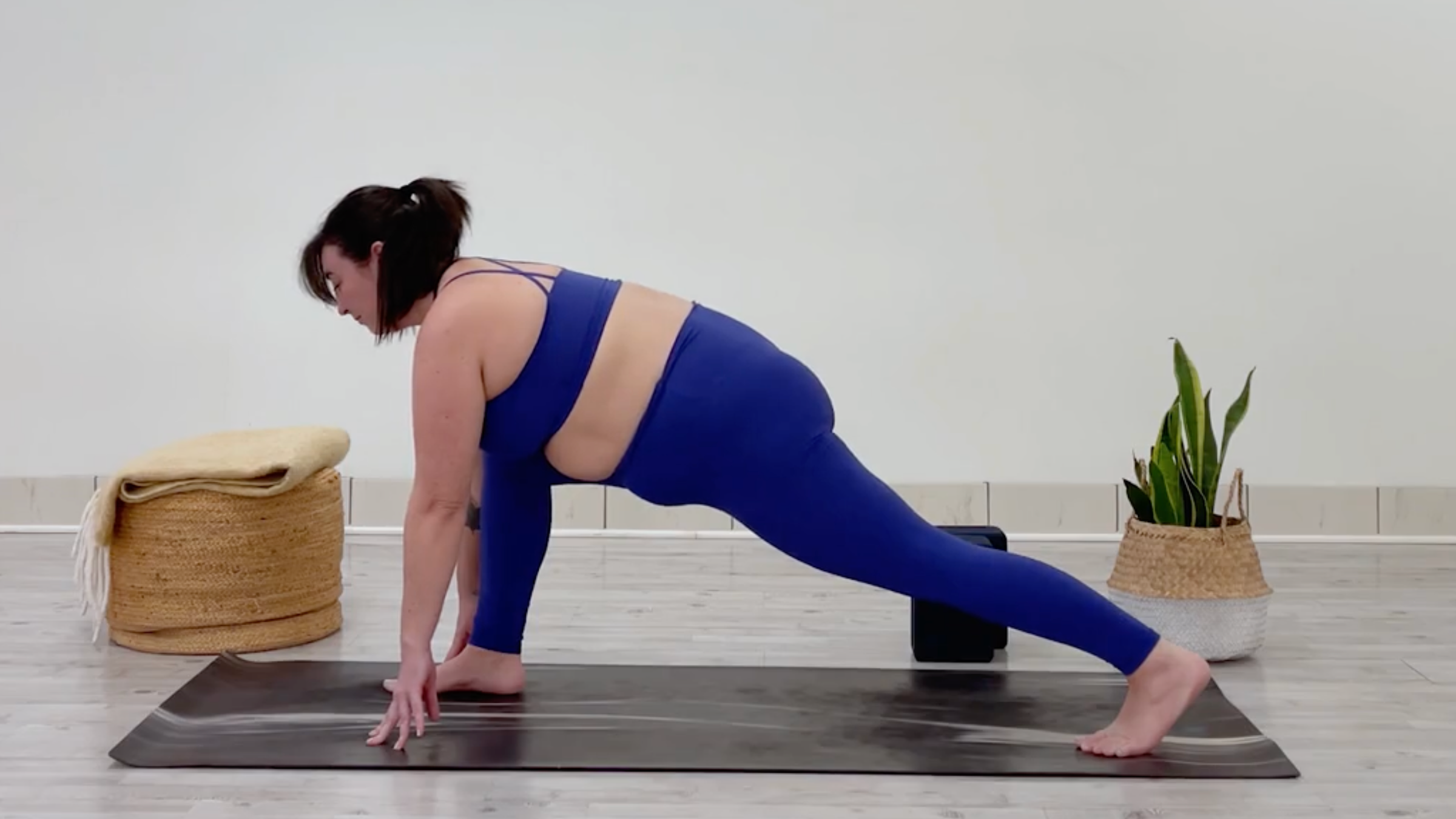
- Runner’s Lunge: Stepping the foot between the hands while keeping the back knee lifted engages the glutes and opens the psoas. Gentle rocking in this position helps to gradually ease the muscles into a deeper stretch without triggering the body’s "stretch reflex," which can sometimes cause muscles to tighten in defense.
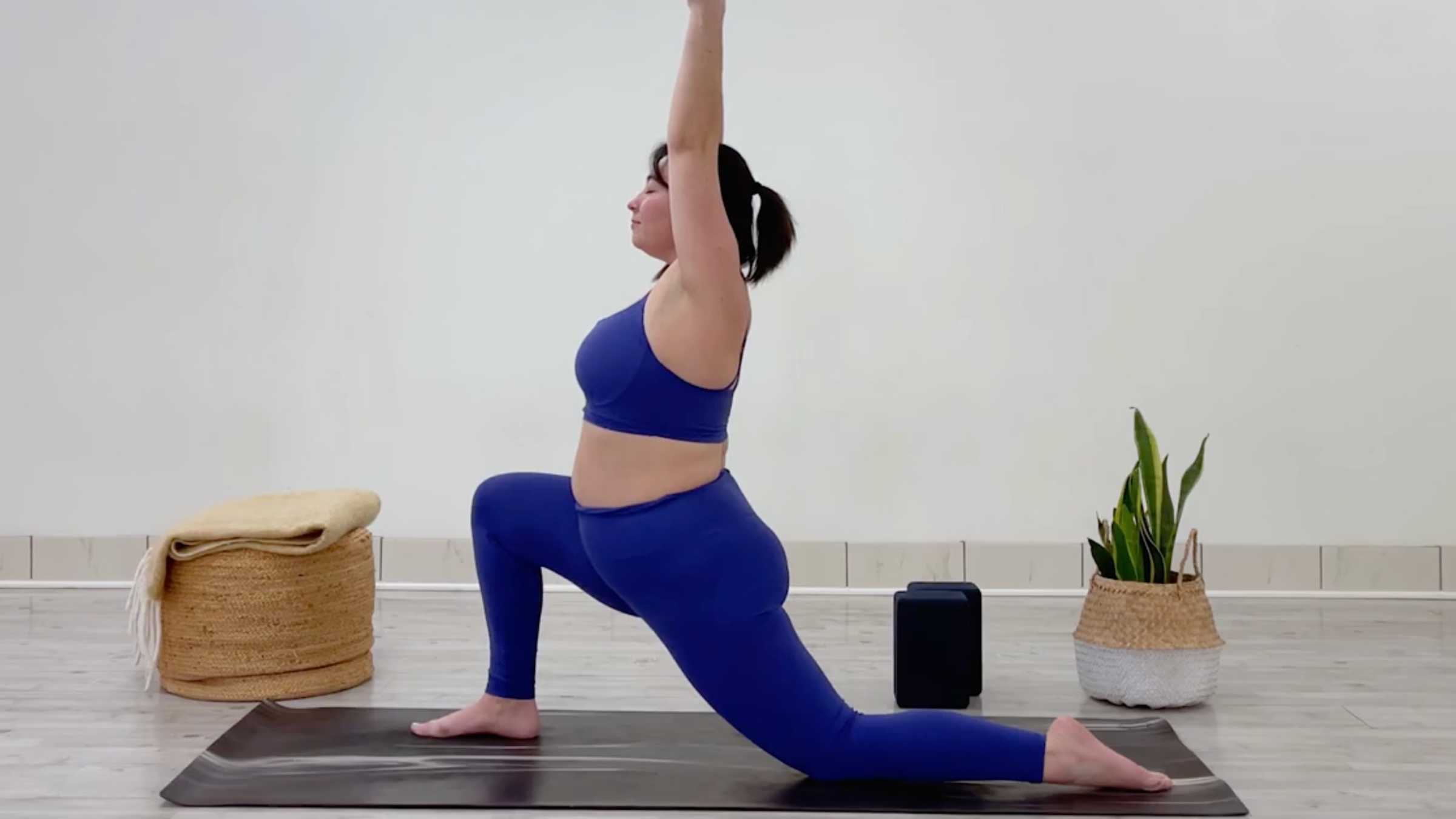
- Low Lunge: Lowering the back knee provides a stable base for upper-body expansion. By cactusing the arms and adding a subtle backbend, the practitioner opens the chest and heart center. A subsequent side bend—holding the opposite wrist and reaching over—targets the intercostal muscles, which are often constricted by shallow breathing.
Supporting Data: Why Morning Movement Matters
The effectiveness of this sequence is supported by the physiological impact of consistent, low-impact movement. According to kinesiology research, the body’s cortisol levels—the primary stress hormone—are naturally at their peak shortly after waking. Engaging in high-intensity exercise at this time can, for some individuals, unnecessarily spike cortisol further. Conversely, the slow, deliberate movements featured in this 9-minute flow help to regulate the autonomic nervous system.
By focusing on the "breath-to-movement" connection, practitioners can lower their heart rate and reduce muscle stiffness. The intentional stretching of the psoas and the thoracic spine is particularly effective for desk workers, as it counteracts the "hunched" posture developed during the workday.
Expert Perspectives: The Role of Intuitive Motion
In the field of modern yoga, there is a distinct shift away from rigid alignment toward "intuitive movement." Taylor Lorenz emphasizes that the goal is not to achieve a "perfect" pose, but to utilize the pose as a diagnostic tool.
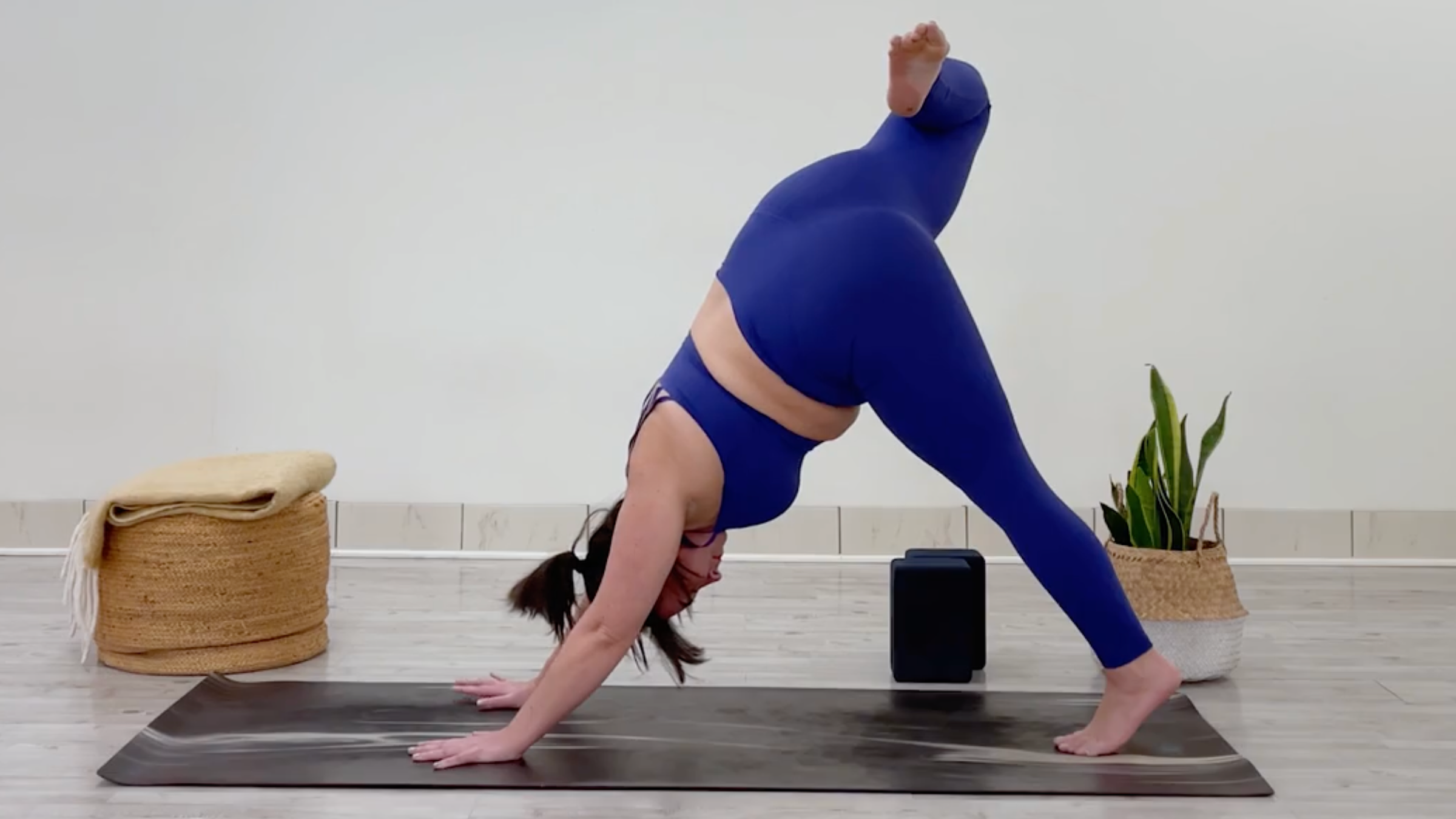
"When we hold a pose and sway or pedal the feet, we are essentially communicating with our nervous system," says movement consultant Dr. Aris Thorne. "We are telling the brain that it is safe to let go of stored tension. This is why the ‘intuitive’ portion of the Downward-Facing Dog is arguably the most important part of the sequence. It allows the practitioner to find their own path to release."
Implications for Daily Productivity
The implications of incorporating a 9-minute ritual into a morning routine are profound. Practitioners who utilize this flow often report:
- Increased Mental Clarity: By grounding the body through physical movement, the mind is less likely to engage in "future-tripping" or anxiety about the day ahead.
- Reduced Chronic Pain: Regular spinal articulation prevents the "locking" sensation that often occurs after a night of sleep.
- Improved Postural Awareness: The focus on chest-opening and spinal alignment creates a "muscle memory" that carries over into the workday, encouraging the individual to sit and stand with better form.
Finalizing the Sequence: Integration and Stillness
As the sequence nears its end, the practice shifts toward cooling and grounding.
- Plank to Cobra: Transitioning through a high plank into a gentle cobra allows the practitioner to engage the core before a final, deep release.
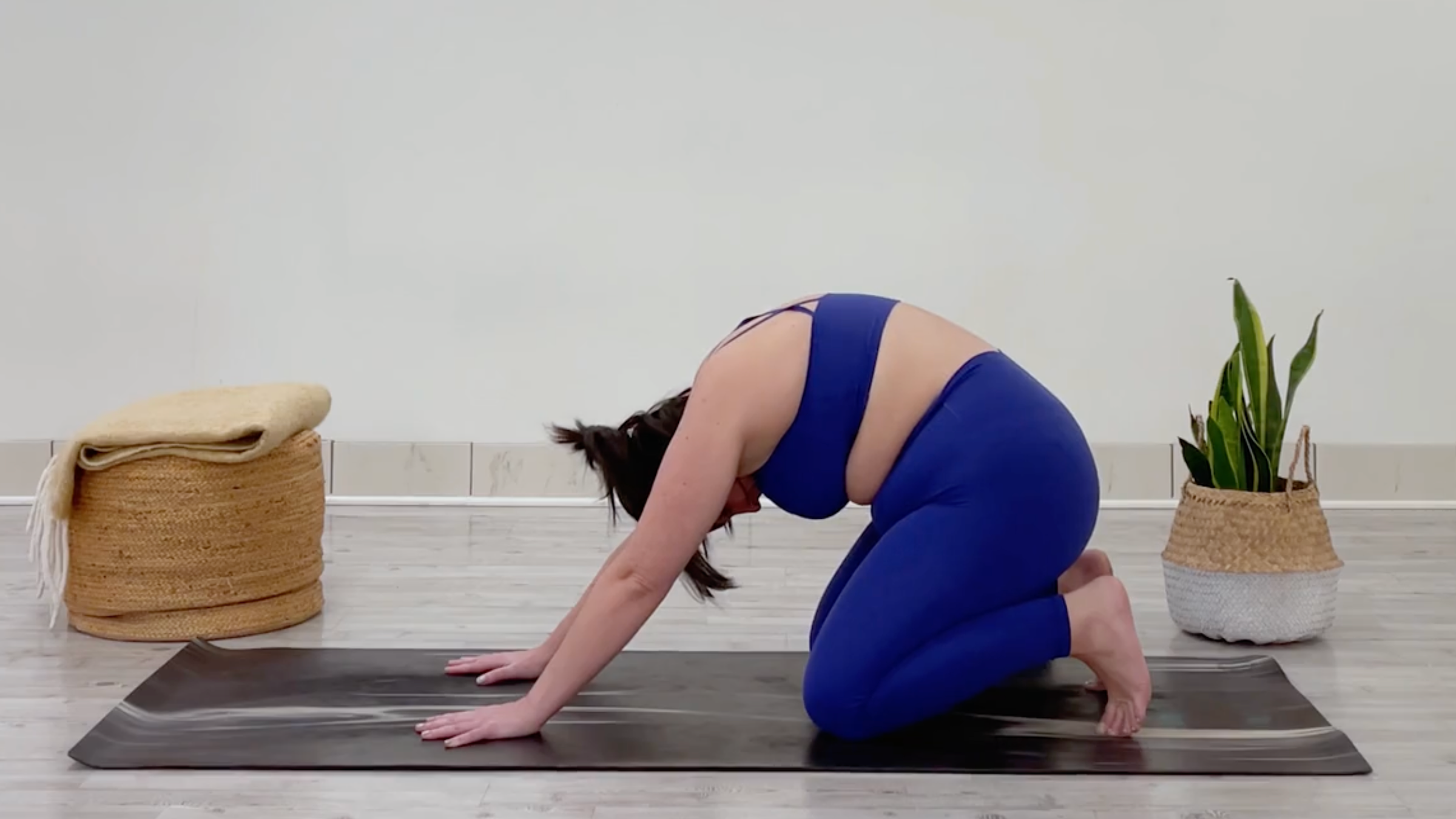
- Child’s Pose: This is the restorative anchor of the session. By staying in Child’s Pose for up to five minutes, the practitioner allows the physical benefits of the previous poses to settle. This period of stillness is vital; it is where the parasympathetic nervous system fully takes over, cementing the feeling of calm that will persist throughout the day.
- The Closing: The practice concludes in a seated position. By bringing the hands to the heart center and bowing the head, the practitioner engages in a moment of gratitude. This psychological "bookend" to the morning serves to reinforce the habit, making the individual more likely to return to the mat the following day.
A Sustainable Habit
The 9-minute timeframe is intentional. It is long enough to provide a comprehensive physiological benefit, but short enough to remain sustainable for those with demanding professional or personal schedules. By prioritizing consistency over duration, the practitioner builds a foundation for long-term health.
Whether you are a seasoned yogi or a complete beginner, the beauty of this sequence lies in its simplicity. As you move through the flow, remember that the goal is not to reach a specific destination, but to honor the body’s need for movement and release. In a world that is constantly demanding more, taking nine minutes to give back to yourself is perhaps the most productive way to start your day.