
In the modern corporate landscape, the traditional boundaries between professional responsibilities and personal caregiving duties have effectively dissolved. As we observe Employee Wellness Month this June, the focus shifts toward a demographic that has long operated in the shadows of the professional world: the working family caregiver.
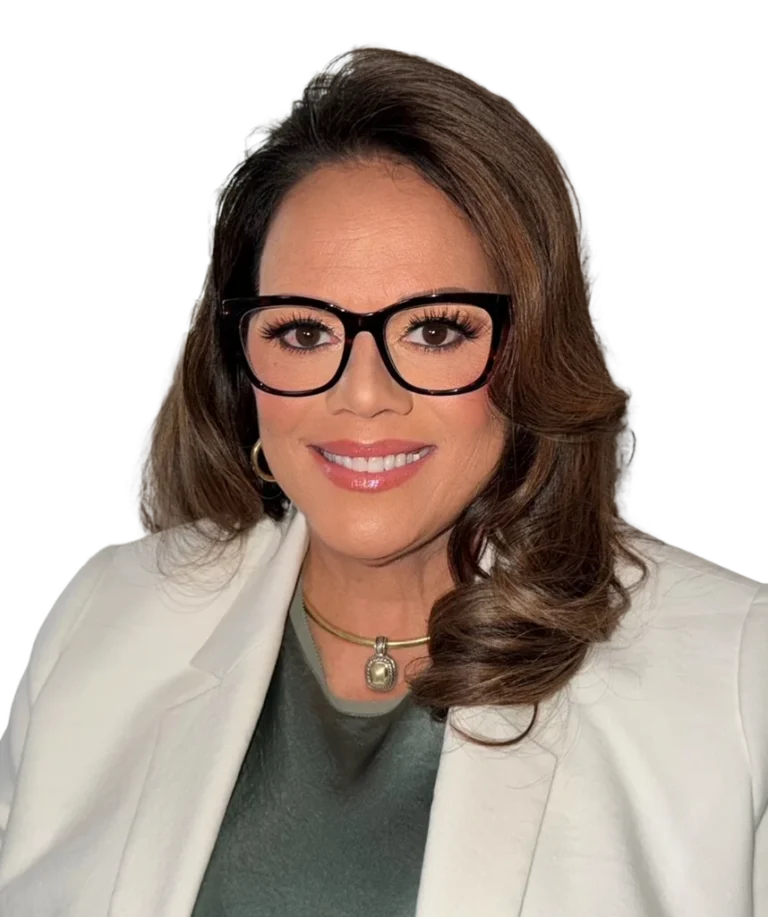
In the latest installment of the Caregiving Club On Air podcast (Season 6, Episode 72), host Sherri Snelling—a renowned corporate gerontologist and author—sits down with Melissa Fisher of Kaiser Permanente to unpack the complexities of this "silent" workforce crisis. Their conversation serves as a critical call to action for HR leaders and organizational executives to rethink how they support the millions of employees currently balancing a career with the demands of caring for loved ones.
The Silent Demographic: The Magnitude of the Caregiving Crisis
The statistics surrounding caregiving in America are not merely numbers; they represent a fundamental shift in the nation’s socio-economic structure. Currently, 63 million Americans—nearly one-fifth of the population—provide care for an adult loved one.
The intersection of employment and caregiving is where the strain becomes most visible. Approximately 7 in 10 of these caregivers are juggling full-time or part-time job responsibilities alongside their caregiving duties. When accounting for those who care for children in addition to aging parents or grandparents, the data suggests that 1 in 3 employees are actively involved in "lifespan caregiving."

These individuals are the backbone of the "Sandwich Generation." They are trapped in a high-pressure balancing act: meeting quarterly KPIs and managing complex professional projects while simultaneously navigating the nuances of medical appointments, elder care, and household management.
A Chronology of a Shifting Workplace Culture
The dialogue surrounding workplace caregiving has evolved significantly over the last decade. Historically, caregiving was viewed as a private, domestic issue with no place in the boardroom. However, the rise of the "Gen C" (Generation Caregiver) continuum has forced a paradigm shift.
- Pre-2020: Caregiving was largely absent from the corporate wellness agenda, treated as a personal burden rather than a professional constraint.
- 2020–2022: The global pandemic acted as a massive catalyst, stripping away the artificial divide between home and office. Employers witnessed firsthand the exhaustion of their staff, leading to a temporary expansion of flexible work arrangements.
- 2024–Present: We have entered a stage of systemic evaluation. Organizations are no longer asking if they should support caregivers, but rather how to integrate such support into their permanent talent retention and wellness strategies.
Sherri Snelling, through her work with the National Conflict Resolution Center (NCRC), has been at the forefront of educating HR executives on this transition. The recent invitation to Melissa Fisher, a Kaiser Permanente leader and experienced caregiver herself, highlights a move toward authentic, peer-led advocacy. Fisher’s journey—caring for aging parents and a beloved aunt while raising her own children—provides a blueprint for how organizations can foster environments where caregivers feel seen, heard, and supported.
Supporting Data: Why Employers Must Act
The economic argument for supporting caregivers is as compelling as the moral one. Research consistently shows that a lack of support for caregiving employees leads to:
- Reduced Productivity: Constant "presenteeism," where employees are physically present but cognitively drained by caregiving anxieties.
- Increased Turnover: High-performing employees often reach a "breaking point" where they feel forced to choose between their career and their family, leading to the loss of experienced talent.
- Absenteeism: The unpredictability of elder care, which often involves medical emergencies or sudden changes in health, frequently results in unscheduled time off.
Conversely, companies that implement robust support systems report higher engagement scores and improved retention rates. As highlighted in Snelling’s research, the implementation of Employer Resource Groups (ERGs)—specifically those focused on caregiving—has proven to be a transformative tool. These groups provide a safe harbor for employees to share resources, navigate legal and medical systems, and advocate for policy changes such as flexible hours and emergency respite care.
Official Perspectives: The Kaiser Permanente Approach
During the interview, Melissa Fisher shared the philosophy that drives her advocacy at Kaiser Permanente. She emphasizes that "one-size-fits-all" benefits are a relic of the past. Modern support requires a nuanced understanding of the caregiver lifecycle.
Fisher suggests that the most effective workplace interventions are those that:
- Normalize the conversation: Leadership must speak openly about the challenges of caregiving to destigmatize the need for flexibility.
- Provide structural support: This includes access to geriatric care management services, mental health resources, and clear communication regarding leaves of absence.
- Foster empathy-based management: Managers need training to recognize the signs of caregiver burnout and to pivot from task-mastering to outcomes-based management.
Implications for the Future of Work
The implications for employers are clear: If you are not actively supporting your caregiving workforce, you are failing to support your most valuable assets.
As the "Caregiving Club On Air" podcast celebrates its ranking as the #3 caregiving podcast according to Feedspot, the message is reaching a wider audience than ever before. The transition of the podcast’s "Caregiver Wellness News" and "Well Home Design News" to a dedicated YouTube channel signifies a broader intent to provide accessible, visual, and actionable educational content to the public.
For HR leaders, the directive is to move beyond the "benefits checklist" and toward a culture of care. This involves:
- Integrating Caregiving into Diversity, Equity, and Inclusion (DEI) initiatives: Recognizing that caregiving disproportionately affects women and impacts generational diversity in the workplace.
- Leveraging Technology: Utilizing digital platforms and AI-driven resources to help employees find local care providers or manage medical documentation.
- Cultivating Community: Strengthening ERGs to ensure that the "Sandwich Generation" feels supported by their peers.
Conclusion: A Call to Action
The journey of the family caregiver is often a marathon, not a sprint. Without the support of a flexible, empathetic, and resource-rich workplace, the risk of burnout—for both the caregiver and the company—is extreme.
As we move through Employee Wellness Month, it is time for organizations to recognize that professional excellence and personal caregiving are not mutually exclusive. By providing the tools, the community, and the cultural permission to balance these roles, employers can ensure that their staff thrives both at home and at the office.

For those looking to deepen their understanding, resources are readily available. From the "Self-Care in 7 Minutes" video series to Sherri Snelling’s Me Time Monday framework, the tools to build a more resilient, care-aware culture are within reach. The question remains: is your organization ready to embrace the future of the caregiver-inclusive workplace?
Resource Links for Further Learning:
- National Conflict Resolution Center (NCRC) – Conflict resolution and workplace harmony.
- Elder Care Locator – Essential for finding local resources for aging loved ones.
- Caregiving Club YouTube Channel – Educational content and news updates.
- Me Time Monday – Strategies for caregiver self-care and burnout prevention.