











In a strategic maneuver that promises to redefine the landscape of sleep medicine and neurological research, Beacon Biosignals has officially completed the full integration of CleveMed into its corporate structure. This consolidation is not merely a rebranding exercise; it represents the convergence of CleveMed’s robust, battle-tested infrastructure for home sleep testing (HST) and Beacon’s cutting-edge, AI-driven neuro-monitoring capabilities. By unifying these disparate yet complementary technologies, the combined entity aims to establish the most advanced, EEG-based home sleep diagnostic platform in the United States.
The Main Facts: Unifying Infrastructure and Innovation
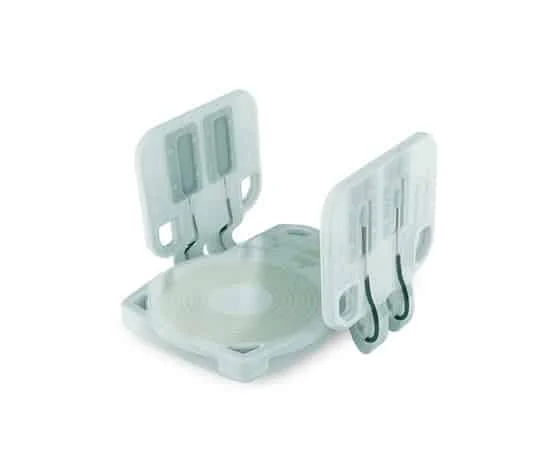
The integration brings CleveMed’s widely recognized SleepView device and the SleepView Direct home testing service directly under the Beacon Biosignals banner. For years, CleveMed has served as a cornerstone in the sleep diagnostics market, providing reliable hardware and logistical support for providers nationwide. Beacon Biosignals, conversely, has built its reputation as a pioneer in the application of machine learning to neurophysiological data, particularly through its FDA 510(k)-cleared dry electrode EEG headband, Waveband.
By bringing these two entities together, Beacon is effectively creating a vertical integration of sleep diagnostics. The goal is to move beyond traditional, limited sleep studies—which often focus on basic physiological markers—toward a "brain-first" approach that leverages deep neurological insights. The consolidation ensures that Beacon can provide its pharmaceutical partners and clinical providers with an end-to-end solution: from the logistical fulfillment of testing devices to the advanced, AI-powered analysis of complex EEG data.
A Chronology of the Strategic Pivot
To understand the magnitude of this transition, one must look at the trajectory of both companies over the past decade.
CleveMed spent years establishing a footprint in the sleep medicine sector, prioritizing accessibility and ease of use for patients who struggled with the burden of overnight laboratory sleep studies. Their development of the SleepView device was predicated on the idea that high-quality data should not be confined to clinical settings.
Beacon Biosignals, meanwhile, emerged from a more research-heavy background, focusing on the needs of pharmaceutical companies conducting clinical trials. The company identified a massive bottleneck in neurology: the inability to collect high-fidelity, long-term EEG data from patients in their natural environment. Through the development of the Waveband device, Beacon proved that clinical-grade data could be captured at home, provided the underlying software was sophisticated enough to filter out noise and identify meaningful neurobiomarkers.
The acquisition of CleveMed, followed by this full brand integration, marks the third phase of this evolution. It signals that Beacon is no longer just a research tool provider; they are now a primary service provider in the diagnostics market, bridging the gap between patient care and clinical-stage research.
Supporting Data: Why "Brain-First" Matters
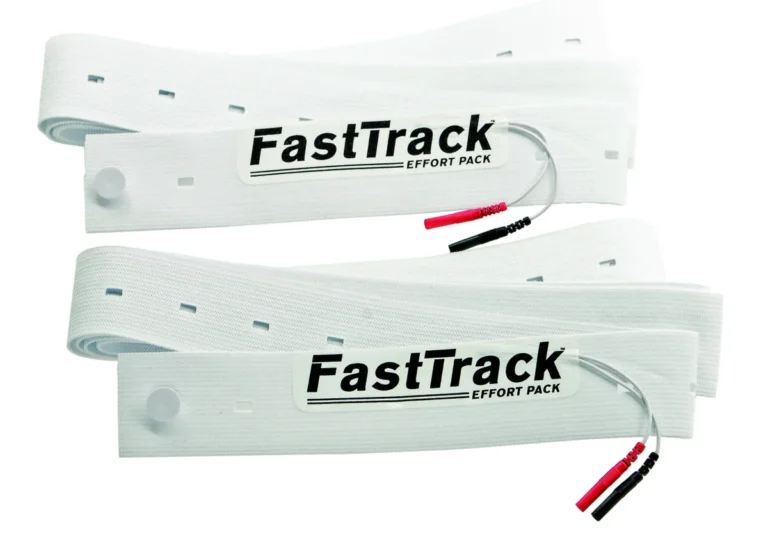
The necessity for this consolidation is rooted in the current limitations of sleep diagnostics. Conventional Home Sleep Apnea Testing (HSAT) typically measures respiratory effort, airflow, and blood oxygen levels. While effective for diagnosing obstructive sleep apnea, these tests often fail to capture the nuances of sleep architecture, sleep fragmentation, and neurological disorders that affect sleep quality.
Beacon’s integration of CleveMed changes this dynamic. By applying proprietary machine-learning algorithms to the data streams captured by their combined hardware, the company can provide:
- Clinically Validated Endpoints: Transforming raw neurophysiological data into actionable metrics for clinical trials.
- Patient Stratification: Utilizing EEG-based biomarkers to identify which patient populations are most likely to respond to specific therapeutic interventions.
- Longitudinal Monitoring: Capturing data over multiple nights, rather than a single "snapshot" night, which is the industry standard for traditional labs.
This is a critical advancement for pharmaceutical companies. In the development of drugs for Alzheimer’s, Parkinson’s, and other neurodegenerative conditions, sleep architecture is an essential metric. Being able to measure these endpoints at scale in the home environment significantly reduces the cost of clinical trials while increasing the data resolution.
Official Responses: Vision for the Future
Leadership from both sides of the merger has been vocal about the synergy created by this union.
Jacob Donoghue, MD, PhD, co-founder and CEO of Beacon Biosignals, emphasized the scalability of the new platform. "Bringing CleveMed fully into the Beacon brand unifies our vision in delivering a new category of home sleep diagnostics," Dr. Donoghue stated. "We are combining operational scale with brain-first technology to create the most advanced EEG-based home sleep testing platform in the country."
For Hani Kayyali, who transitions from CEO of CleveMed to a leadership role overseeing Beacon’s sleep testing business, the move is a logical progression of his life’s work. "SleepView was built on a simple commitment to make high-quality sleep diagnostics accessible to patients wherever they are," Kayyali remarked. "Joining Beacon is the natural next step in that mission. I’m confident in Beacon’s ability to build on what CleveMed’s customers have come to rely on, while adding capabilities that were simply not possible before."
The message to the market is clear: the technology is evolving, but the service commitment remains steadfast. The companies have pledged that there will be no interruption to existing SleepView operations, and that current customers will continue to enjoy the same levels of support and logistical excellence they have come to expect.
Implications for the Sleep Diagnostics Industry
The full integration of CleveMed into Beacon Biosignals has profound implications for the broader medical community.
1. The Democratization of Advanced Neuro-Diagnostics
By moving advanced EEG-based analysis out of specialized labs and into the home, Beacon is effectively democratizing access to neuro-data. Patients who previously had to wait months for a bed in a sleep clinic may soon have access to a more comprehensive diagnostic experience from their own homes, monitored by AI that can flag neurological anomalies that a standard HSAT would miss.
2. Shifting the Focus of Clinical Trials
Pharmaceutical companies are currently under immense pressure to accelerate drug development. By providing a scalable way to monitor brain activity, Beacon is positioning itself as a vital partner in the "precision medicine" era. The ability to use home-based sleep data to prove the efficacy of a drug will likely become a competitive advantage for pharmaceutical firms that adopt this technology early.
3. Consolidation as a Trend
This move may signal a larger trend in the digital health sector. As AI becomes more sophisticated, standalone hardware companies—like the pre-integration CleveMed—may find it increasingly difficult to compete without the support of advanced software layers. Conversely, AI-only firms may struggle to reach scale without the logistical "boots on the ground" provided by established medical device manufacturers. The Beacon-CleveMed merger serves as a blueprint for how future health-tech companies might structure themselves to survive and thrive.
4. Regulatory and Privacy Considerations
As the company moves toward more granular data collection—moving from simple apnea detection to complex EEG brain-monitoring—the regulatory landscape will become more complex. Beacon will need to continue its rigorous adherence to FDA standards while navigating the growing concerns around data privacy for neuro-data. The ability to manage these ethical and regulatory hurdles will be as important as the technology itself in the years to come.
Conclusion
The transition of CleveMed into the Beacon Biosignals brand is a defining moment for the company and the sleep diagnostics industry at large. It is a rare example of a merger that combines established, legacy infrastructure with disruptive, future-facing AI technology in a way that creates immediate, tangible value for both patients and providers.
As Beacon continues to integrate its operations, the industry will be watching closely to see if they can maintain the high standards of the CleveMed legacy while simultaneously delivering the high-tech, data-heavy promises of their proprietary AI platform. If successful, the move will solidify Beacon Biosignals’ position not just as a service provider, but as an essential pillar of the modern neurological diagnostic ecosystem.
For the millions of patients suffering from undiagnosed sleep disorders, and for the researchers striving to cure complex neurological conditions, this integration offers a glimpse of a more accessible, data-driven future where the secrets of the brain are no longer hidden behind the walls of a clinical lab, but are unlocked within the comfort of one’s own home.