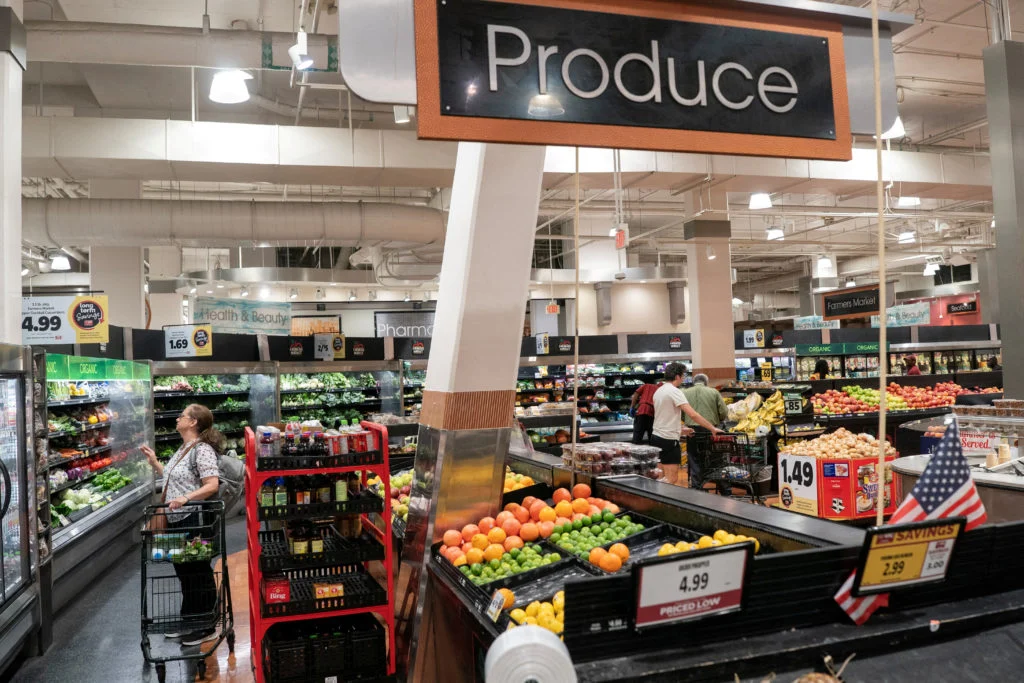
The American food supply chain, a complex web of production, logistics, and regulation, is currently under intense public scrutiny. Following a summer characterized by a relentless stream of headlines involving contaminated deli meats, frozen blueberries, and broccoli sprouts, the public’s confidence in the safety of their grocery baskets has wavered. Most recently, the U.S. Department of Agriculture (USDA) issued a sweeping recall of over 167,000 pounds of beef, pork, and goat products produced by Star Meat Delivery Inc. The culprit: the items were processed without the mandatory federal oversight and were distributed with falsified inspection stickers—a stark reminder of the vulnerabilities inherent in the nation’s food safety infrastructure.
As these recalls mount, consumers are left asking a fundamental question: Is the food supply becoming less safe, or are we simply better at finding the problems?
The Mechanics of Safety: Outbreaks vs. Recalls
To understand the current state of food safety, one must first distinguish between the two primary mechanisms of public health protection: the foodborne illness outbreak and the voluntary or mandatory recall. While often mentioned in the same breath, they represent distinct regulatory and clinical realities.
A foodborne illness outbreak is declared by public health agencies when multiple individuals—typically two or more—become ill after consuming a common food source, often tied to a specific pathogen like E. coli, Listeria, or Salmonella. Conversely, a recall is a preemptive or reactive measure taken to remove a product from commerce. Crucially, a recall does not always imply that a consumer has already been harmed. It is often a preventive step taken when a firm or regulator identifies a deviation from safety protocols, such as mislabeled allergens, mechanical contaminants—like the small stones found in ice cream products recalled by the FDA in September—or, in the case of the recent meat recall, a total failure of the inspection process.
"Not every outbreak leads to a recall, and not every recall is associated with an outbreak," explains Barbara Kowalcyk, director of the Institute for Food Safety and Nutrition Security at The George Washington University. According to experts, a single contaminated ingredient can trigger a cascading effect, leading to multiple recalls as the ingredient makes its way into various secondary products, such as pre-made salsas, guacamole, and prepared deli items.
A Chronology of Concern: Summer 2026
The summer of 2026 will likely be remembered for the record-setting Cyclospora outbreak. While federal officials have since declared the outbreak over, its origin remains a subject of investigation. The magnitude of this specific event amplified public awareness, leading to a heightened sensitivity toward any news of contaminated food.
Throughout the summer, the cadence of reports has been steady:
- Early Summer: Initial reports of Cyclospora began to dominate public health briefings, highlighting the difficulty in tracing the source of fresh produce outbreaks.
- Mid-Summer: The FDA and USDA intensified surveillance, resulting in a flurry of recalls for items ranging from leafy greens to processed meats.
- Late Summer: The emergence of Salmonella concerns in jalapeño shipments from Sinaloa, Mexico, forced a secondary wave of recalls across grocery chains like Whole Foods, which had to pull various prepared foods containing the peppers.
- September: The month saw the recall of baby formula by Nara Organics following a multistate infant botulism outbreak, bringing the issue of food safety into the most sensitive areas of domestic life.
Analyzing the Data: Is the System Breaking?
A common misconception is that the frequency of recalls directly correlates to the degradation of food safety standards. However, food scientists argue that the current data set is nuanced.
"The identification of contaminated products, issuance of recalls, and active public health investigations demonstrate that our food safety surveillance, detection, traceback, and response systems are functioning as intended," says Kali Kniel, a professor of microbial food safety at the University of Delaware.
The primary tool for tracking these trends is FoodNet, a collaborative surveillance program involving the CDC, FDA, USDA, and ten state health departments. However, data transparency has become a contentious issue. In 2024, the Trump administration adjusted the surveillance mandate, making it optional for participating states to monitor six of the eight pathogens previously tracked by the system. This change has drawn criticism from researchers who argue that a "blind spot" is being created.
Furthermore, CDC data typically lags by several years due to rigorous verification processes. While the CDC monitors roughly 17 to 40 active investigations into pathogens like Campylobacter and Listeria every week, a static number of investigations year-over-year does not necessarily indicate a worsening trend. As Don Schaffner, a food science professor at Rutgers University, notes, "Outbreaks are generally considered random events. Levels may fluctuate, but that does not necessarily mean things are getting better or worse, only that these things are variable."
Official Perspectives and Regulatory Challenges
The role of federal agencies in maintaining the safety of the U.S. food supply cannot be overstated. However, experts warn that the efficacy of these agencies is tethered to federal funding and political prioritization.
The consensus among the academic community is that while the food supply remains robust, the "infrastructure of vigilance" is under strain. The Trump administration’s recent budget cuts to the Department of Health and Human Services (HHS) have resulted in significant staff layoffs and the reduction of research grants. Because epidemiologists rely on these federal resources to investigate the root causes of outbreaks, these cuts are viewed by many as a direct impediment to long-term safety.
"The disruption to federal grants experienced under the Trump administration has impacted science across the board," Schaffner says. "And food safety science is no exception."
Kowalcyk echoes this sentiment, noting that the U.S. food system has long been under-resourced. "Before this administration, we had one hand tied behind our back, and now we have two," she stated, emphasizing that the lack of investment in surveillance systems limits the government’s ability to respond to complex, modern food supply chains.
Implications for the Future
The current landscape suggests a paradox: we are likely identifying more outbreaks because our diagnostic technology has improved, yet our ability to investigate and prevent them is being hampered by administrative austerity.
1. Scientific Advancements
Modern genetic sequencing allows scientists to link illnesses that previously would have been considered isolated cases. What looks like a "spike" in outbreaks is often an increase in the precision of our detection tools. As technology evolves, we are becoming more aware of the risks that have always existed in the food chain.
2. The Role of Public Awareness
Increased media coverage—fueled by social media and the rapid spread of news regarding recalls—has changed the behavior of the American consumer. People are more likely to report mild symptoms and seek medical care, which in turn leads to more data points for the CDC to analyze. This "awareness cycle" creates the appearance of an unsafe food environment even when safety protocols might be holding steady.
3. Structural Vulnerabilities
The consolidation of food production means that a single contamination event at a large-scale processing facility can have national consequences. While the system is designed to catch these issues through recalls, the reliance on voluntary compliance and underfunded inspection agencies remains a structural risk.
4. The Path Forward
For the average consumer, the message from the scientific community is clear: panic is not a strategy. The U.S. food supply remains one of the safest in the world. However, the future of this safety depends on the sustained funding of the agencies tasked with the "unseen" work of regulation.
As we look toward the coming years, the intersection of food safety and political policy will likely remain a focal point. Whether it is through the restoration of full-scale pathogen surveillance or increased support for the researchers who map the genetic footprints of Salmonella and Listeria, the protection of the dinner table requires a commitment that transcends political cycles. For now, consumers are advised to stay informed through official channels like the FDA and USDA recall websites, ensuring that they can navigate the grocery aisle with confidence, even in an era of heightened uncertainty.