





As the sun sets on September, the conclusion of Pain Awareness Month serves as a poignant reminder that while awareness campaigns are vital, the daily reality of chronic pain does not adhere to a calendar. For the more than 60 million Americans—nearly one in five adults—living with persistent pain, the challenges of physical agony, social isolation, and medical uncertainty are 365-day-a-year realities.
While September provides a platform for advocacy, the transition into October does not diminish the urgent need for support, systemic change, and the pursuit of medical progress. To understand how individuals navigate this enduring journey, we must look beyond clinical definitions and into the lived experiences of those who balance the weight of their condition with the relentless pursuit of a meaningful life.
The Architecture of Endurance: Main Facts and Context
Chronic pain is defined as pain that lasts or recurs for more than three to six months. Unlike acute pain, which serves as a protective warning signal, chronic pain is often a disease in its own right, frequently involving a complex interplay of neurological, biological, and psychological factors.
The scope of this crisis is staggering. According to the Centers for Disease Control and Prevention (CDC), the prevalence of high-impact chronic pain—defined as pain that frequently limits life or work activities—has profound implications for the U.S. economy and public health infrastructure. From the loss of workforce productivity to the emotional toll on family systems, the ripple effects of chronic pain touch every facet of American life. Yet, for the individual, the "main fact" is not a statistic; it is the daily task of managing a condition that often remains invisible to the outside world.
A Chronology of the Movement
The journey of chronic pain advocacy has evolved significantly over the last two decades.
- The Early 2000s: The medical community began to shift away from purely biomedical models toward a biopsychosocial approach, recognizing that pain is not merely a structural issue but one deeply influenced by the nervous system and mental health.
- The 2010s: The rise of digital advocacy allowed patients to form decentralized networks, breaking the silence that once defined the patient experience. The "One Movement" initiative began to gain traction, emphasizing that while diagnoses vary—from fibromyalgia to complex regional pain syndrome (CRPS)—the fundamental human need for validation remains universal.
- The Current Era: The focus has shifted from simple "awareness" to "action." Advocacy groups are now pushing for policy changes in insurance coverage, the integration of multidisciplinary pain management, and the destigmatization of long-term pain care.
Supporting Data: The Burden and the Breakout
The economic burden of chronic pain in the United States is estimated to be over $600 billion annually, exceeding the costs associated with heart disease and cancer. However, the data also highlights a critical gap in care: access.
Recent surveys indicate that patients who receive comprehensive, multidisciplinary care—incorporating physical therapy, psychological support, and medical intervention—report significantly higher quality-of-life metrics. Conversely, those who face "medical gaslighting," where their symptoms are dismissed by providers, report higher levels of depression and anxiety. This data underscores the necessity of a patient-centered model where the "success" of a treatment is measured by the patient’s ability to participate in their own life, rather than just the reduction of a pain score on a scale of one to ten.
The Human Element: Voices from the Frontlines
Throughout this year’s awareness campaign, we asked a central question: What gives you hope or keeps you moving forward? The responses were a tapestry of human resilience.
The Anchor of Connection
For many, the primary support structure is emotional. Barry, 57, finds solace in his partner, who also navigates the complexities of disability. "It’s about being seen," he notes. Others, like Alexandra, 32, lean on the unconditional love of pets and close-knit friendship circles. Niki, 54, highlights the role of community-based support, such as church groups, which provide a sense of belonging that pain often strips away.
The Clinical Lifeline: Validation
The role of healthcare providers cannot be overstated. When a patient feels unheard, their condition often worsens. Conversely, when a doctor validates their pain, it can be life-altering. Erica, 45, credits her therapist with teaching her how to modify her goals rather than abandoning them. Meanwhile, Bobbie, 42, offers a sobering reflection on the healthcare system: "Where there are ten nurses who treat you the worst and don’t believe your pain, there are two that have a heart of compassion." These "two" are often the difference between a patient staying in the system or losing hope entirely.
Scientific Horizons
Technological and pharmacological advancements continue to offer a glimmer of light. Debbie, 68, notes that fibromyalgia is significantly more understood today than it was two decades ago. Others, like Katie, 58, look forward to new devices and medications currently in the pipeline. For younger patients like Daisy, 13, the hope is simple: that they will not have to live with this level of pain forever.
Official Responses and Systemic Implications
Public health officials and medical boards are increasingly acknowledging that the "One-Size-Fits-All" approach to pain management—which dominated the early 2000s—is obsolete. Current clinical guidelines now emphasize:
- Multimodal Care: Moving away from reliance on a single modality (like opioids) toward a mix of physical, psychological, and interventional therapies.
- Patient Autonomy: Encouraging shared decision-making where the patient’s lived experience is treated as primary data.
- Research Funding: Increasing the NIH’s budget for pain research, specifically into the mechanisms of chronic nerve pain and the development of non-addictive analgesics.
The implication for policy is clear: we need a health system that treats chronic pain as a chronic condition, similar to diabetes or hypertension, requiring long-term, stable, and empathetic care rather than sporadic, reactive interventions.
The Reality of Despair
It is imperative to address the voices for whom hope feels unreachable. Not every story has a "silver lining." For individuals like Mary, 70, or anonymous contributors who admit to "just surviving day to day," the burden of pain is absolute. Acknowledging this reality is not a sign of failure; it is a sign of integrity. It serves as a stark indictment of current gaps in medical care and social support. When a patient feels there is "nothing left," it is a call to action for the medical, legislative, and social communities to work harder, listen more closely, and provide better resources.
Carrying the Mission Beyond September
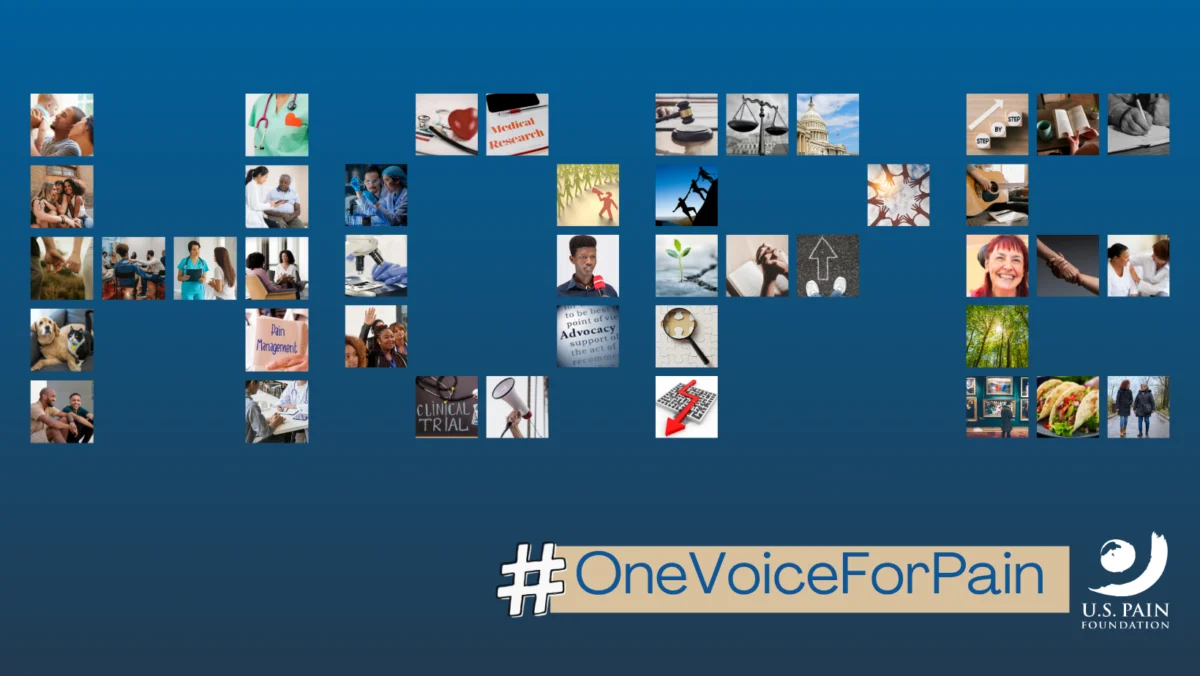
As we move past the formal designation of Pain Awareness Month, the collective movement—#OneVoiceForPain—remains vital. Hope, for the chronic pain community, is not a naive optimism; it is an act of defiance. It is the decision to wake up, to try a new therapy, to advocate for oneself at an appointment, or simply to find joy in a small, fleeting moment of comfort.
We must redefine success. If we cannot yet cure the pain, we must aim to eliminate the suffering—the isolation, the doubt, and the systemic abandonment. By fostering communities that listen, supporting research that seeks real solutions, and validating the experiences of those who struggle, we can build a future where every person living with pain has at least one reason to keep moving forward.