




For over two millennia, the medical community’s strategy against cancer has been defined by a philosophy of scorched earth. From the primitive cauterization techniques of the ancient Greeks to the modern-day barrage of high-dose chemotherapy, ionizing radiotherapy, and targeted immunotherapies, the objective has remained singular and uncompromising: to identify, attack, and annihilate malignant cells.
However, a pioneering cohort of researchers is now challenging this foundational dogma. Led by Professor Indraneel Mittra at the Advanced Centre for Treatment, Research and Education in Cancer (ACTREC) in Mumbai, these scientists are posing a radical question: What if our current approach is fundamentally flawed? Instead of viewing the tumor as an enemy to be razed, what if we treated it as a wound that refuses to heal? By coaxing cancer into a state of biological quiescence or "healing," researchers believe we may be able to turn malignant tumors into manageable, benign entities.
The Evolution of a Concept: From "Wound" to "Target"
The conceptual roots of this paradigm shift trace back to 1986, when Dr. Harold Dvorak published a seminal paper in the New England Journal of Medicine. Dvorak famously characterized tumors as "wounds that do not heal." He observed that the biological mechanisms involved in tumor growth—such as inflammation, angiogenesis (the creation of new blood vessels), and the remodeling of tissue—closely mirror the body’s natural response to an injury.
Despite the elegance of this theory, oncology largely remained focused on cytotoxic destruction. It was not until Professor Mittra began exploring the mechanics of tumor microenvironments that the therapeutic implications of Dvorak’s observation were put to the test. Professor Mittra’s hypothesis suggests that the aggressive nature of cancer is not merely an inherent quality of the tumor, but rather a reaction to the toxic byproducts of the cancer itself.
Chronology: A New Clinical Frontier
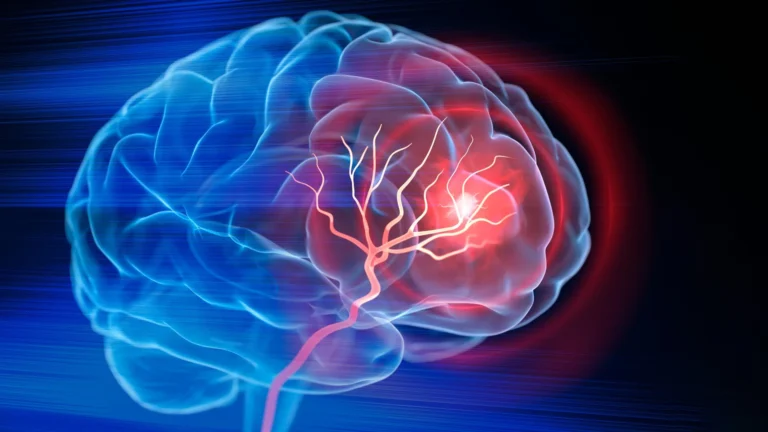
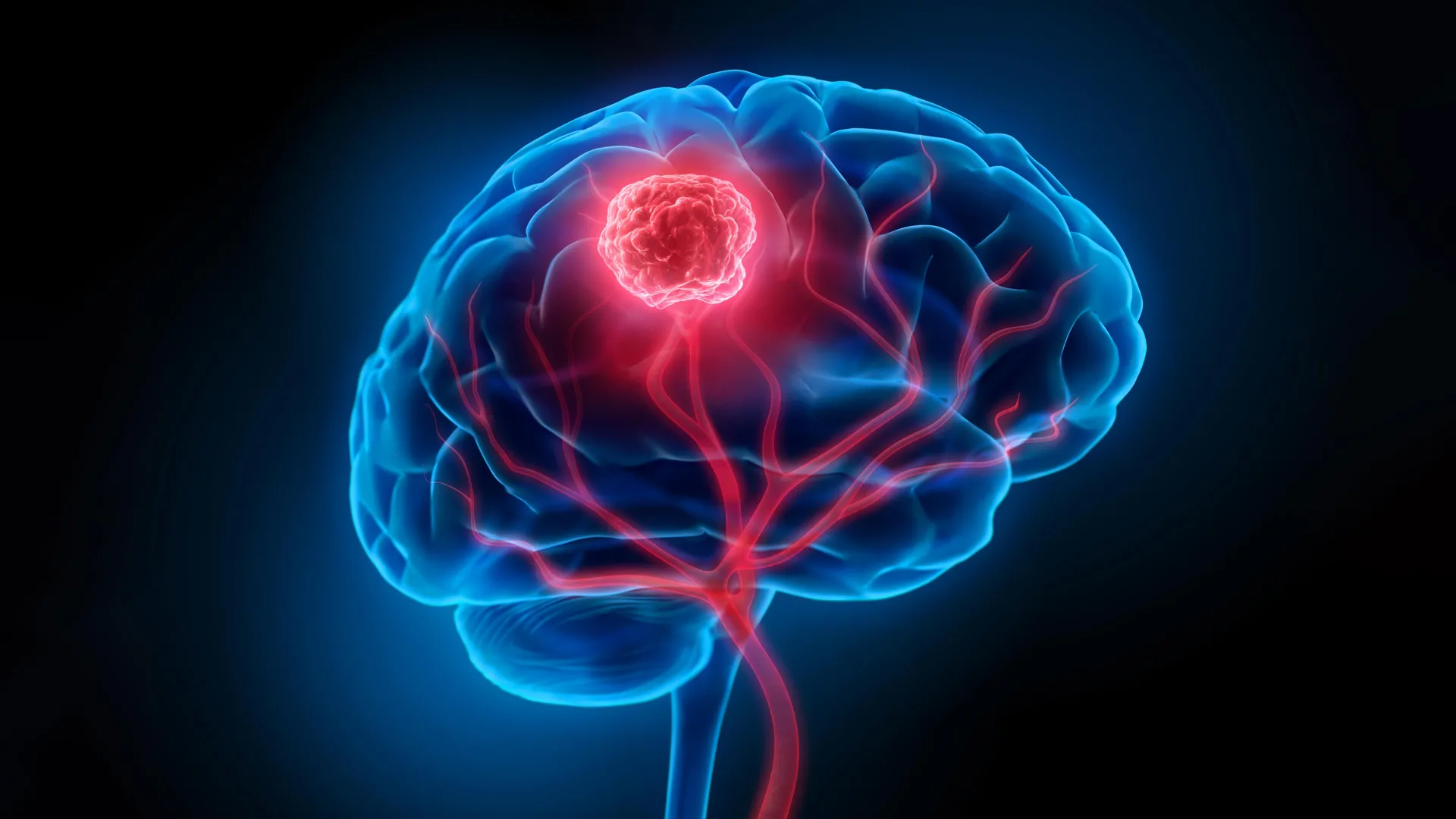
The recent study, published in BJC Reports, represents a significant milestone in validating this "healing" strategy. The study focused on glioblastoma, an aggressive, fast-growing brain tumor with a dismal prognosis. Despite the integration of surgery, chemotherapy, and radiation, the median survival rate for glioblastoma patients remains a sobering 15 months.
The Experimental Protocol
The research team enrolled a cohort of ten patients diagnosed with glioblastoma. In the days leading up to their scheduled neurosurgical procedures, these patients were administered a simple, non-toxic tablet containing a precise combination of two common nutraceuticals: resveratrol and copper. This regimen was followed four times daily for an average of 11.6 days.
For the purpose of comparative analysis, a control group of ten patients—who possessed similarly aggressive tumor profiles but did not receive the nutraceutical intervention—was monitored under standard care protocols.
Data Collection and Analysis
During the surgical intervention, tissue samples were harvested from both the treated and control groups. These samples underwent a rigorous diagnostic battery, including high-resolution microscopy, immune-staining, immunofluorescence, and comprehensive transcriptome analysis. The goal was to quantify the molecular impact of the resveratrol-copper combination on the tumor’s biological architecture.
Supporting Data: The Molecular "Healing" Effect
The findings were, by all accounts, transformative. While the control group displayed the expected hallmarks of aggressive, uninhibited malignant growth, the treated group exhibited a marked shift in tumor behavior.
Deactivating the "Villain": Cell-Free Chromatin Particles (cfChPs)
The mechanism behind this shift lies in the interaction between resveratrol, copper, and cell-free chromatin particles (cfChPs). When cancer cells die—a process that happens constantly within a tumor—they release fragments of their DNA into the surrounding environment. These cfChPs are not benign debris; they are highly inflammatory. When they come into contact with neighboring, surviving cancer cells, they trigger a "panic" response, causing the surviving cells to become more aggressive, inflammatory, and resistant to treatment.
Professor Mittra’s previous research established that the combination of resveratrol and copper generates oxygen radicals that effectively deactivate or destroy these cfChPs. The BJC Reports study confirmed this in vivo: while cfChPs were abundant in the untreated tumor tissue, they were almost entirely absent in the tissue of patients who received the nutraceutical tablets. By eliminating the cfChPs, the treatment essentially stops the "vicious cycle" of inflammation that fuels cancer progression.
Downregulating Immune Checkpoints
Perhaps most intriguing was the observation regarding immune checkpoints. In recent years, pharmaceutical giants have invested billions into developing "immune checkpoint inhibitors"—drugs designed to release the "brakes" on the immune system so it can hunt down cancer. While effective, these drugs are prohibitively expensive and frequently accompanied by severe, sometimes life-altering side-effects.
The study revealed that the humble resveratrol-copper combination successfully downregulated multiple immune checkpoints, mirroring the pathways targeted by high-cost pharmaceuticals. The patients in the treatment group experienced this biological modulation with zero recorded side-effects, suggesting a potential future where the immune system is "unleashed" through safe, affordable, and accessible interventions.
Official Perspectives and Implications
Professor Mittra, who serves as the Dr. Ernest Borges Chair in Translational Research at the Tata Memorial Centre, is careful to note the limitations of the current study. "The number of patients in this study was relatively small," he acknowledged. However, the magnitude of the results—and the consistency of the findings across the treatment group—has led to cautious optimism among his peers.
The Accessibility Factor
One of the most profound implications of this research is its potential to democratize cancer care. In many parts of the world, modern cancer therapies are out of reach for the vast majority of the population. A treatment regimen based on inexpensive, readily available nutraceuticals could bridge the gap between high-tech oncology centers and resource-limited settings.
"We have been trying to kill cancer cells for 2,500 years," Professor Mittra remarked, referring to the historical failure of the "annihilation" model. "Maybe it is time to look at cancer treatment differently and work towards healing tumors, rather than annihilating them."
The Path Forward
The implications for the future of oncology are vast. If tumors can be transitioned into a "benign" state by simply controlling the inflammatory environment, the goal of treatment shifts from curing (which often implies the complete removal of the last malignant cell) to managing the cancer as a chronic, non-lethal condition.
The research team is already looking toward larger, multi-center trials to replicate these results on a broader scale. If these trials confirm the efficacy observed in the initial cohort, it could signal a seismic shift in medical practice. We may be standing on the precipice of a new era where we no longer fear the tumor as an unconquerable adversary, but rather learn to manage it through the gentle application of biological modulation.
Conclusion: A New Dawn for Oncology?
The history of medicine is littered with abandoned dogmas. For centuries, the medical establishment held onto theories that were eventually dismantled by empirical evidence. The "kill the cancer" paradigm, while having saved countless lives, has reached a plateau of efficacy.
Professor Mittra’s work serves as a reminder that science thrives on the ability to ask uncomfortable questions. By challenging the necessity of constant destruction, he has opened a door to a more holistic, nuanced, and humane approach to oncology. While the road to widespread clinical implementation remains long, the simple, elegant logic of "healing" the tumor rather than "killing" it may well prove to be the breakthrough that defines the 21st century’s war on cancer.
As the research progresses, the global medical community will be watching closely to see if this "gentle strategy" can indeed offer a path out of the shadows for patients facing the most challenging diagnoses.