










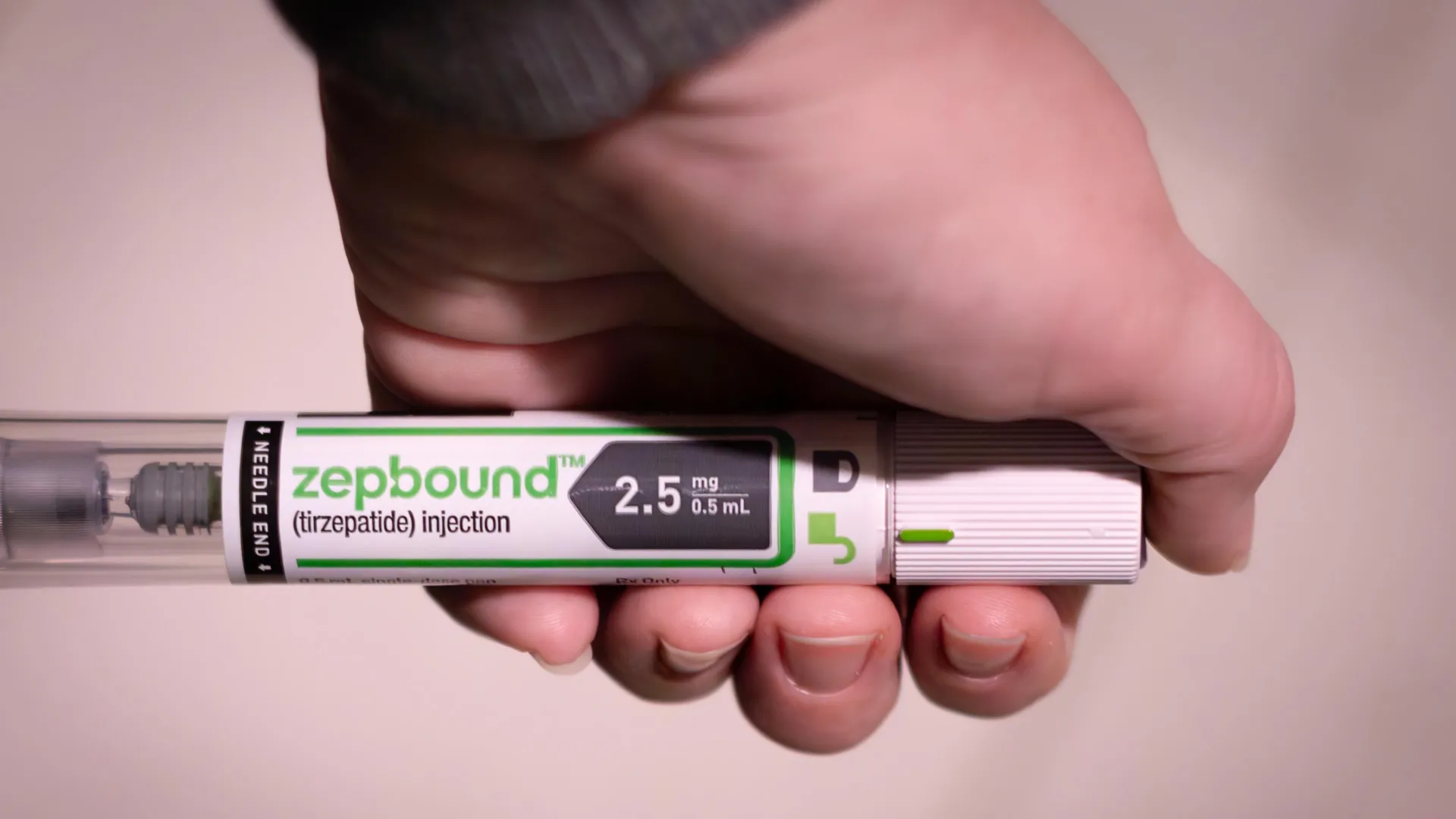
For millions living with obesity and type 2 diabetes, the arrival of tirzepatide—marketed as Mounjaro—has been nothing short of transformative. While the drug is widely recognized for its ability to curb appetite and induce significant weight loss, a new study has peeled back the curtain on its biological mechanics, suggesting that its benefits go far beyond simply making patients feel fuller for longer.
Researchers have discovered that tirzepatide may directly boost metabolism by "waking up" brown adipose tissue (BAT), a specialized form of fat that acts like a biological furnace. This discovery, published in a recent study using mouse models, offers a compelling new theory on why the drug is so effective at improving metabolic health, potentially paving the way for a more nuanced, personalized approach to treating obesity.
The Dual-Action Mechanism: A Paradigm Shift in Weight Management
To understand the significance of this discovery, one must first look at how tirzepatide functions. Unlike earlier generations of weight-loss medications that primarily targeted a single hormonal pathway, tirzepatide is a "twincretin." It acts as a dual agonist, simultaneously targeting receptors for glucose-dependent insulinotropic polypeptide (GIP) and glucagon-like peptide-1 (GLP-1).
By mimicking these two hormones, tirzepatide slows gastric emptying and signals the brain to reduce food intake. However, for some time, scientists have suspected that the drug’s profound impact on body composition and blood glucose levels could not be explained solely by the patient eating less. There seemed to be an underlying metabolic "boost" that remained mysterious—until now.
A Deep Dive into the Laboratory: The Methodology
The research team, led by Marion Peyrou, a Ramón y Cajal researcher at the University of Barcelona’s Faculty of Biology and the Institute of Biomedicine (IBUB), sought to isolate the metabolic effects of tirzepatide from its appetite-suppressing effects.
The study utilized an experimental mouse model, a common practice in metabolic research where precise tissue analysis is required. The researchers divided obese, high-fat-diet-fed mice into two groups. The first group received tirzepatide, while the second group was given a placebo but restricted to the exact same caloric intake as the medicated group.
By employing this "pair-feeding" strategy, the researchers created a controlled environment where the influence of reduced food consumption was mathematically removed. Any differences in metabolic health between the two groups could therefore be attributed directly to the drug’s pharmacological action rather than a simple reduction in calorie intake.
Mounjaro and the Activation of "Good" Fat
The results of the analysis were striking. The mice treated with tirzepatide showed a marked activation of brown adipose tissue.
In human biology, not all fat is created equal. White adipose tissue (WAT) is the body’s primary energy storage site; when we consume more calories than we burn, WAT expands, leading to the health complications associated with obesity. Brown adipose tissue, however, serves the opposite function. It is rich in mitochondria and iron, which give it its characteristic color, and its primary role is thermogenesis—the process of burning calories to produce heat.
"This activation is associated with an increased capacity to burn metabolic energy and with the production of batokines—molecules secreted by brown adipose tissue that are beneficial for overall metabolism," explains Dr. Peyrou.
By activating this tissue, tirzepatide essentially forces the body to become more efficient at burning glucose and fat. This explains why patients on the medication often see improvements in their lipid profiles and blood sugar levels that seem disproportionate to their weight loss alone.
Historical Challenges: Why This Discovery is Different
The concept of using brown fat to combat obesity is not new. For decades, scientists have theorized that if they could safely activate BAT, they could "burn away" excess weight. However, previous attempts to pharmacologically trigger brown fat were often thwarted by dangerous side effects.
Many of the early drugs designed to stimulate thermogenesis caused significant cardiovascular stress, including elevated heart rates and blood pressure. Because of these risks, the therapeutic window for such drugs was essentially non-existent.
Tirzepatide appears to have broken this cycle. Instead of causing cardiovascular strain, the drug has shown a consistent profile of cardiovascular benefit. "Tirzepatide, although it activates brown adipose tissue, does not have these negative effects; on the contrary, it shows cardiovascular benefits," says Dr. Peyrou. This suggests that the mechanism by which tirzepatide activates BAT is cleaner and safer than the pathways targeted by previous pharmaceutical candidates.
Implications for Future Obesity Treatment
The findings from the University of Barcelona team suggest that the future of obesity treatment lies in a "multi-pronged" approach. Rather than relying on a single mechanism—such as appetite suppression—the most effective therapies of the future will likely address the body’s energy expenditure and metabolic efficiency simultaneously.
1. Beyond Appetite Control
Current treatments are highly effective at the "input" side of the energy balance equation. By adding an "output" enhancer—activating brown fat to burn more energy—physicians could help patients who have hit a weight-loss plateau.
2. Personalized Medicine
The identification of this mechanism opens the door for precision medicine. Not all obesity is the same; some patients struggle primarily with appetite, while others may suffer from a naturally lower metabolic rate or poor energy expenditure. If clinicians can identify "low-expenditure" patients, they could potentially tailor treatment protocols to prioritize drugs that specifically stimulate metabolic burning.
3. Combating Metabolic Syndromes
Because activated brown fat consumes glucose and lipids directly from the bloodstream, this research provides a roadmap for better managing type 2 diabetes and metabolic syndrome. It suggests that tirzepatide isn’t just a "weight-loss drug," but a metabolic regulator that improves the body’s fundamental ability to process fuel.
A Necessary Note of Caution
While the findings are promising, the researchers are quick to emphasize the need for scientific restraint. As with all pre-clinical studies, there is a significant "translation gap" between mice and humans.
Human metabolic regulation is significantly more complex, and the distribution and density of brown adipose tissue differ between species. Furthermore, human response to GLP-1/GIP agonists is influenced by a vast array of genetic, lifestyle, and environmental factors.
"As this is a study conducted on mice, we must be cautious," notes Dr. Peyrou. "There may be significant differences between species in terms of metabolism regulation, adipose tissue distribution, and response to drugs. Therefore, we need more clinical evidence on the action of these drugs on fat in humans."
Conclusion: A New Frontier in Metabolic Health
The study led by the University of Barcelona, involving researchers from the Sant Joan de Déu Research Institute and CIBEROBN, represents a significant step forward in our understanding of obesity. By shifting the focus from simple caloric restriction to the activation of the body’s own energy-burning tissues, the scientific community is moving closer to a holistic understanding of how to manage metabolic disease.
If further clinical trials confirm that tirzepatide activates brown fat in humans with the same efficacy seen in mice, it will solidify the drug’s role not just as a tool for weight loss, but as a foundational therapy for metabolic health. As researchers continue to explore this pathway, the hope is that these insights will lead to even more effective, targeted, and personalized interventions for the millions of people worldwide currently struggling with obesity and its associated complications.
For now, the message is clear: the path to metabolic health is not just about eating less—it is about helping the body burn the energy it already has, more effectively.