In an era defined by rapid technological advancement, high-stress environments, and an endless cycle of sensory overload, the search for authentic health has led many back to the ancient roots of human wisdom. Among these, Ayurveda—the "Science of Life"—stands as one of the most comprehensive healing systems in existence. Central to this system is Panchakarma, a sophisticated, multi-faceted detoxification process that is increasingly recognized as the gold standard for holistic rejuvenation.
As we navigate the complexities of modern living, the necessity for a deep, systemic reset becomes evident. This article explores the philosophical foundations, clinical methodologies, and transformative implications of Panchakarma, demystifying why this ancient practice remains essential for contemporary well-being.
The Philosophy of Wellness: Harmony as a Foundation
Ayurveda is not merely a medical system; it is an art of living in alignment with the rhythms of the natural world. As taught by renowned Ayurvedic physician Vasant Lad, BAM&S, MASc, the core principle of this science is the recognition that the individual is a microcosm of the macrocosm. “You are the world and the world is you,” Lad often emphasizes.
This interconnectedness suggests that every facet of life—from the quality of the food we consume and our daily movement habits to the nature of our relationships and the intensity of our professional stress—directly influences our biological equilibrium. In the Ayurvedic framework, health is not simply the absence of disease; it is a dynamic state of balance across the body, mind, and spirit.
The Two Pillars of Ayurvedic Healing
To maintain this delicate balance, Ayurveda employs two primary therapeutic methodologies:
- Shamana (Palliative Support): This involves the pacification of the doshas (the energetic forces within the body). It encompasses daily routines, dietary adjustments, yoga, pranayama (breathwork), and quality sleep. It is the maintenance work of health.
- Shodhana (Cleansing/Detoxification): This is the deeper, more intensive process of removing accumulated toxins from the body’s tissues. By clearing the internal channels, Shodhana ensures a healthy, unobstructed flow of prana—the vital life force—allowing the body to return to its natural state of equilibrium.
What is Panchakarma? Defining the Gold Standard
The modern wellness industry is saturated with detox trends, ranging from juice cleanses and water fasts to specialized herbal protocols. While these methods can provide a temporary sense of lightness, they often act only on the surface level of the gastrointestinal tract.
Panchakarma represents a departure from the "one-size-fits-all" approach of modern wellness fads. It is a highly personalized science. Because no two individuals share the same constitution (prakruti) or the same state of imbalance (vikruti), no two Panchakarma protocols are identical.
Moving Beyond the Digestive Tract
While many cleanses focus on giving the digestive system a break, Panchakarma goes deeper. It utilizes a combination of medicinal oils, herbal formulations, and therapeutic bodywork to mobilize ama (toxic metabolic waste) from deep-seated tissues. Once liberated, these toxins are guided back into the digestive tract for final elimination from the body.
The process is rigorous and relies on specific treatments tailored to the individual’s needs:
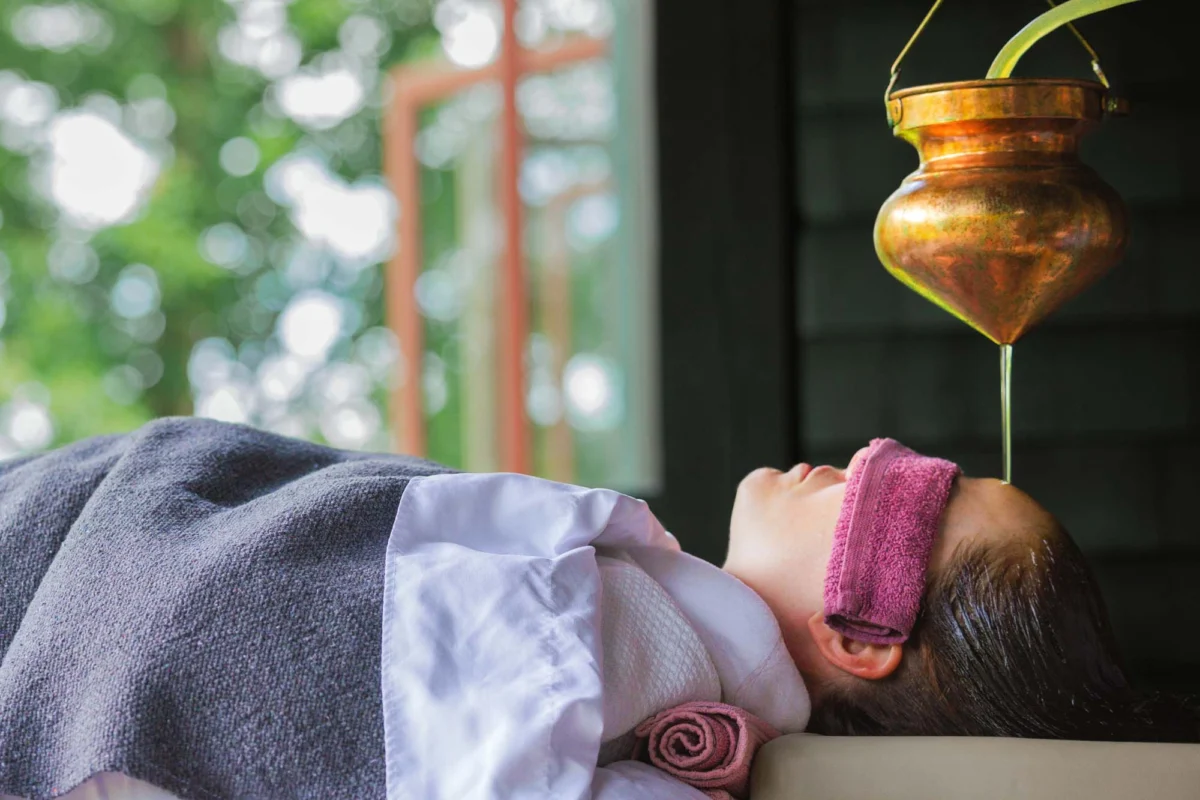
- Abhyanga: Therapeutic oil massages that saturate the tissues to loosen toxins.
- Bastis: Targeted enema therapies used to cleanse the colon and balance the nervous system.
- Topical Treatments: Specialized procedures designed to support specific organs or tissue systems identified as the root cause of the patient’s imbalance.
Chronology of a Panchakarma Journey
A true Panchakarma process is a time-intensive commitment, often requiring several days to weeks depending on the severity of the imbalances. The journey typically follows a structured progression:
Phase 1: The Preparatory Stage (Purvakarma)
Before the primary detoxification begins, the body must be "primed." This involves Snehana (internal and external oleation) and Svedana (therapeutic sweating). By saturating the body with medicinal oils and heat, practitioners soften the tissues, making it easier for toxins to be dislodged and moved toward the center of the body.
Phase 2: The Primary Detoxification (Pradhana Karma)
This is the core of the Panchakarma experience. The client undergoes the specific treatments determined by their practitioner. This phase is characterized by intense, guided supervision to ensure the body remains stable as it processes the removal of ama.
Phase 3: The Rejuvenation Stage (Paschat Karma)
Detoxification is an energy-intensive process. Once the toxins are removed, the body is left in a "clean slate" state, which is highly receptive. This final phase focuses on Rasayana (rejuvenation)—rebuilding the tissues, strengthening the digestive fire (agni), and integrating lifestyle changes to ensure long-term vitality.
Why Timing and Seasonality Matter
In the Ayurvedic view, living in accordance with the seasons is not a luxury; it is a necessity for health. The body’s needs fluctuate as the environment changes. Ayurveda recommends a cleansing protocol at the transition of each season—typically two to three times per year—to prepare the system for the upcoming environmental shift.
By cleansing at the change of seasons, individuals can stay ahead of the curve, preventing the accumulation of doshic imbalances before they manifest as chronic health issues. However, the decision to cleanse is never taken lightly. It requires a professional assessment of whether the individual’s body is currently strong enough to handle the intensity of the process.
Professional Guidance: The Necessity of Clinical Oversight
One of the most critical aspects of Panchakarma is that it should never be performed as a "do-it-yourself" project. The mobilization of toxins from deep tissues can be dangerous if the elimination pathways are not properly supported or if the client’s agni is not functioning at an optimal level.
The Role of the Practitioner
An Ayurvedic practitioner serves as a guide, monitor, and caretaker throughout the journey. Daily check-ins are standard, allowing the practitioner to adjust the oils, herbs, and dietary requirements in real-time based on how the client is responding.
At institutions like The Ayurvedic Institute, students are trained not only in the technical application of these therapies but in the "art" of healing. This involves a profound level of empathy and presence. As Vasant Lad teaches, the practitioner must ask themselves: How am I holding this client in my awareness? Am I acting from a place of compassion and grace? This philosophy transforms the clinical setting into a sacred space, where the practitioner-client relationship becomes a catalyst for profound healing.
Implications for Modern Healthcare
The growing interest in Panchakarma signifies a shift in the global conversation regarding healthcare. We are moving away from a model that prioritizes the symptomatic management of disease toward one that emphasizes the cultivation of health from the root level.
Long-term Benefits
The implications of undergoing a supervised Panchakarma include:
- Restoration of Digestive Fire: Improved absorption and assimilation of nutrients, which serves as the foundation for all health.
- Neurological Reset: By calming the nervous system through oil therapies, many clients report a significant reduction in anxiety and mental fog.
- Enhanced Immunity: By clearing the channels of ama, the body is better able to identify and fight external pathogens.
- Heightened Awareness: The process often leads to a deeper connection between the mind and body, allowing individuals to identify early warning signs of imbalance in the future.
The Future of Integrative Wellness
As we look toward the future, the integration of ancient Ayurvedic wisdom with modern scientific inquiry offers a promising path forward. Institutions that combine classical training with clinical observation—such as those operating in Asheville, NC, and Pune, India—are bridging the gap between historical tradition and modern necessity.
For those interested in exploring this path, whether as a student of the science or as a seeker of healing, the journey begins with an acknowledgment: the body has an innate intelligence. By providing it with the right tools, the right timing, and the right guidance, we can unlock a level of vitality that is truly sustainable.
Conclusion
Panchakarma is far more than a "detox." It is a profound, structured, and deeply personal intervention that honors the complexity of the human experience. By aligning our internal state with the rhythms of the natural world, we do not just survive; we thrive. Whether you are looking to address a specific health concern or simply seeking to realign with your highest potential, the ancient wisdom of Ayurveda offers a timeless roadmap to health.
For those seeking professional guidance or training, exploring resources provided by established institutions remains the safest and most effective way to begin your Panchakarma journey. To learn more about clinical training programs, consult your local Ayurvedic institution, or visit dedicated centers such as the SoHum Mountain Healing Resort to experience the transformative power of this ancient art firsthand.