By Max Garland
Published September 30, 2026
In a significant diplomatic and economic development, the Trump Administration announced on Sunday that the U.S.-China Board of Trade has formally proposed a reduction in tariffs on non-sensitive goods. The proposal, which encompasses approximately $30 billion in import volume for both the United States and China, marks a pivot in the bilateral trade relationship following months of high-stakes negotiations and cooling tensions between the world’s two largest economies.
While the announcement signals a thawing in the ongoing trade disputes that have defined much of the decade, the White House has remained notably opaque regarding the specific scope of the reductions and the timeline for implementation. As global markets react to the news, industry experts and supply chain analysts are weighing the potential impact on consumer prices, manufacturing dependencies, and the broader geopolitical landscape.
The Core Proposal: A Strategic Rebalancing
The U.S.-China Board of Trade—a bilateral body established earlier this year to streamline trade relations—has identified a specific basket of goods for tariff relief. According to the White House, the recommendation focuses on products that are deemed "non-sensitive."
U.S. Trade Representative (USTR) Jamieson Greer framed the move as a dual-win for both nations. "From agricultural products to medical devices, President Trump is unlocking improved market access for about 30 percent of U.S. exports to China, while benefiting consumers with imports from China of household goods, toys, and other products that the United States generally does not import from other countries," Greer said in an official statement.
The framework, dubbed the "30-for-30" initiative by observers, suggests a mutual recognition that the existing tariff regime has imposed excessive costs on domestic industries without providing proportional strategic benefits. By targeting household goods and toys, the administration appears to be acknowledging the inflationary pressure these duties have placed on the American middle class.
A Chronology of the Trade Thaw
The path to this announcement has been marked by a series of incremental diplomatic steps designed to prevent an escalation of the long-standing trade war.
- May 2026: The U.S. and China officially announce the formation of the U.S.-China Board of Trade. The body was tasked with optimizing bilateral trade and creating a channel for high-level officials to resolve disputes before they reach the stage of retaliatory tariffs.
- Summer 2026: Throughout the summer, deputies from the U.S. Treasury, the USTR, and China’s State Council held a series of closed-door meetings to identify products that could be removed from the list of taxed imports without compromising national security or core technological interests.
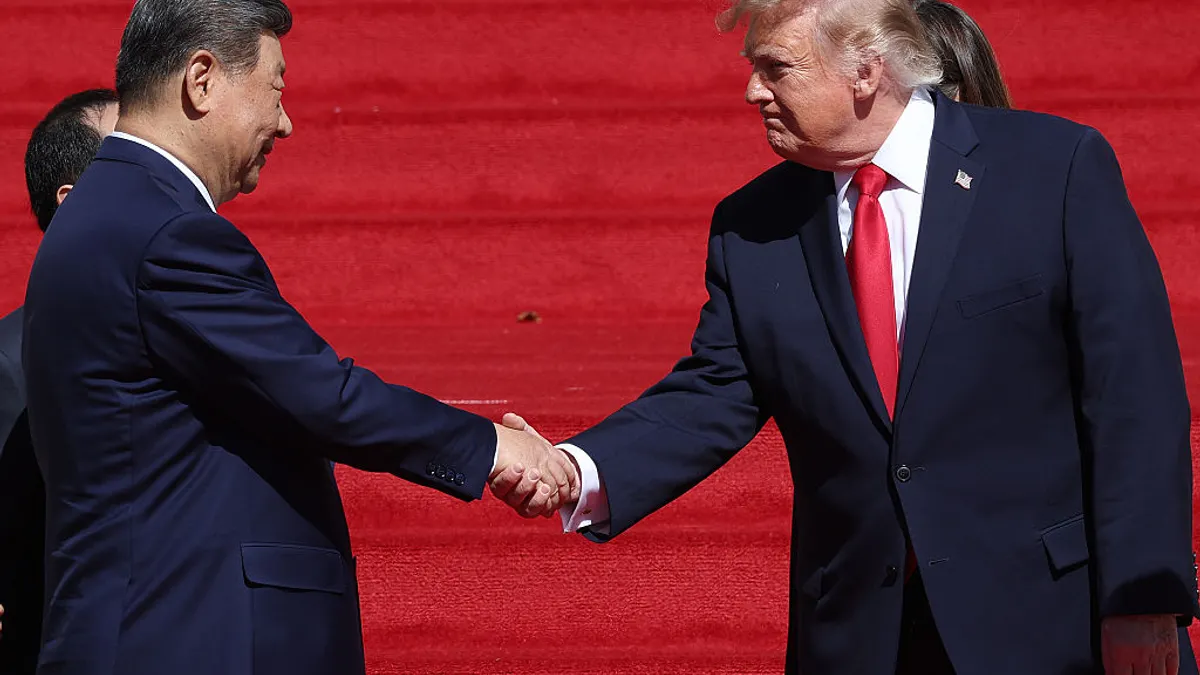
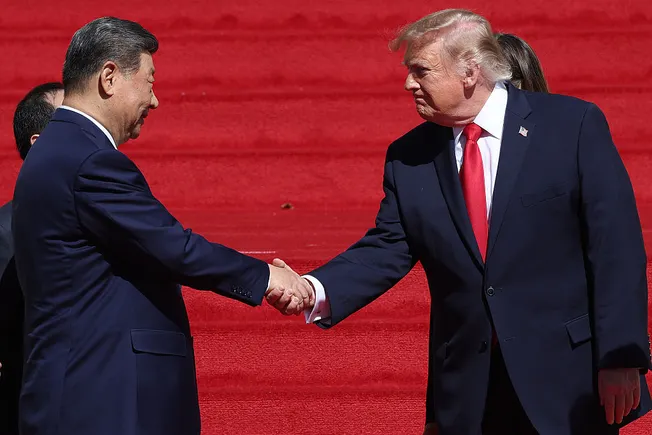
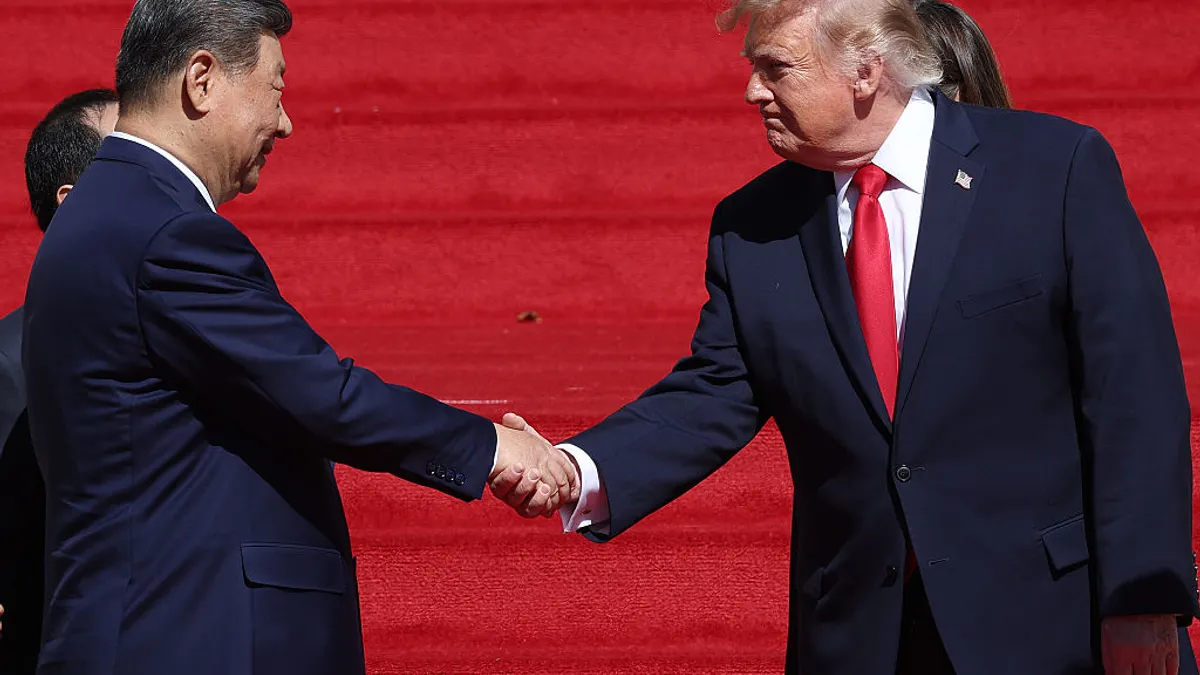
- September 25, 2026: President Xi Jinping visited the White House for a high-profile summit with President Donald Trump. The meeting, which emphasized economic stability, provided the political momentum necessary to finalize the board’s initial recommendations.
- Late September 2026: Shortly before the expiration of a critical trade truce, the two nations agreed to extend the moratorium on new tariffs for another two months, buying time for the Board of Trade to formalize the Sunday announcement.
- September 30, 2026: The White House releases the official terms of reference for the tariff reductions, confirming that the board has successfully reached a consensus on the initial $60 billion trade basket.
Understanding the "Board of Trade" Mechanism
The Board of Trade is composed of high-ranking officials tasked with the "optimization" of trade flows. Key figures include USTR Jamieson Greer, Treasury Secretary Scott Bessent, and China’s Vice Premier of the State Council, He Lifeng.

According to the working procedures released alongside the announcement, the board functions through a tiered system. Regular meetings between the deputies of these leaders allow for the constant submission of proposals. This structure is intended to move beyond the "crisis-to-crisis" negotiation style that characterized previous years, replacing it with a more administrative, technical approach to tariff management.
The terms of reference explicitly state that these deputies will continue to monitor the trade performance of the goods included in this round. If the initial reductions prove successful in balancing trade without causing market distortions, the board has the mandate to expand favorable tariff treatment to additional product categories in the future.
Critical Analysis: The Question of Implementation
Despite the optimism surrounding the announcement, analysts have pointed to a glaring lack of detail regarding the "when" and "how" of these policy changes.
Wendy Cutler, senior vice president at the Asia Society Policy Institute, noted that the vagueness of the documentation leaves much to be desired. "The White House document is vague on when consumers may see these tariff cuts in the store," Cutler said in a recent social media post. "Both sides need to go through their domestic procedures. It is unclear if this means the U.S. will seek public comments on the product list, although the way the document is written, it doesn’t seem to be very open to revisions."

This ambiguity suggests that while the political will for a truce exists, the bureaucratic hurdles remain significant. Each country must navigate its own domestic legal processes to codify the tariff reductions. For the U.S., this may involve regulatory review processes that could drag the timeline into early 2027, potentially dampening the immediate impact on holiday retail pricing.
Economic Implications: Supply Chains and Consumer Prices
The inclusion of toys and household goods in the relief package is a tactical decision. These categories are highly sensitive to retail price fluctuations, and their supply chains are heavily concentrated in China. For many U.S. retailers, the removal of duties on these items would provide a much-needed margin cushion.
However, the broader implications for the U.S. manufacturing base remain a point of contention. While the administration argues that these goods are not widely produced in the U.S., critics of the plan worry that any move to ease tariffs on Chinese imports could reduce the incentive for companies to continue their "near-shoring" or "friend-shoring" efforts.
For China, the benefit is primarily found in the agricultural sector. Improved access for U.S. agricultural exports to the Chinese market serves as a vital economic lifeline for the American farming heartland, which has been disproportionately affected by retaliatory tariffs since the conflict began.
Future Outlook: A Fragile Equilibrium
The agreement to extend the trade truce by two months in conjunction with these recommendations suggests that both Washington and Beijing are prioritizing economic stability as they head into the end of the year. The success of the "30-for-30" framework will likely dictate the next phase of the relationship.
If the board can demonstrate that these tariff reductions lead to increased trade volume without harming domestic industries, it could set a precedent for a more permanent, rule-based trade architecture. Conversely, if the implementation stalls or if domestic political pressure in either nation forces a reversal, the fragile truce could collapse, leading to a new round of volatility.
For now, the business community remains in a "wait and see" mode. Supply chain managers are waiting for the publication of the definitive legal schedules that will detail exactly which HTS (Harmonized Tariff Schedule) codes are eligible for relief. Until those documents are filed and the effective dates are set, the promise of lower costs remains, for many, a theoretical benefit rather than a fiscal reality.
As the U.S. and China continue their dialogue, the global market will be watching to see if this board can transcend the political friction of the past to create a more predictable, if not entirely free, trading environment. For the moment, the announcement serves as a symbolic, if cautious, step toward a new era of managed economic engagement.