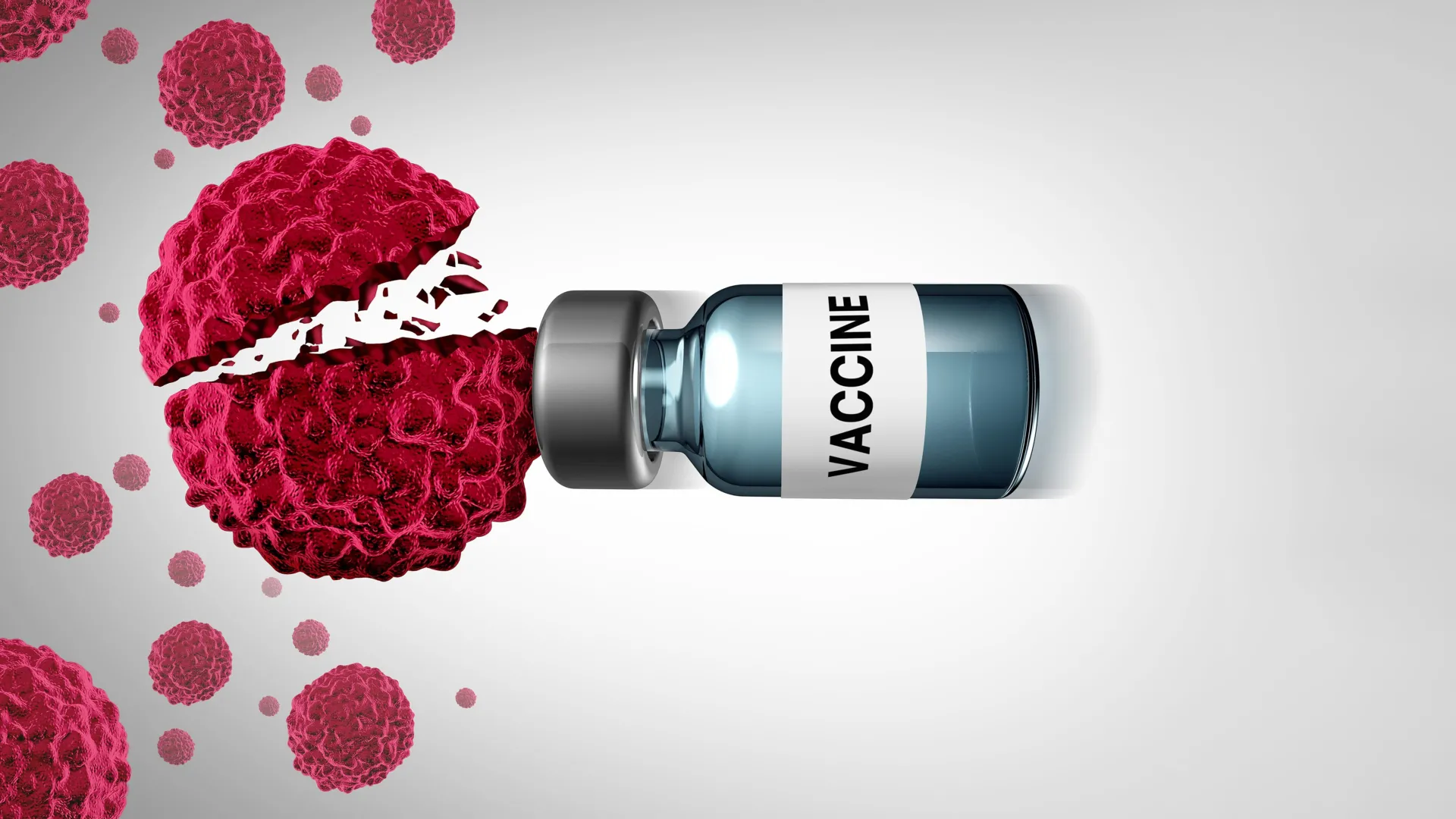
The global success of mRNA vaccines during the SARS-CoV-2 pandemic served as a watershed moment for modern medicine. By proving that synthetic messenger RNA could instruct the human body to manufacture its own defense mechanisms, researchers effectively opened a new chapter in pharmacology. Today, that same Nobel Prize-winning technology is being pivoted toward an even more complex challenge: the eradication of cancer.
From melanoma and small cell lung cancer to bladder cancer and beyond, experimental mRNA vaccines are currently undergoing rigorous testing. However, as these vaccines transition from viral defense to oncology, researchers are discovering that the immune system’s playbook for cancer is far more versatile than previously assumed. A groundbreaking study from the Washington University School of Medicine in St. Louis has revealed a critical, previously unknown mechanism of how these vaccines mobilize the body’s defenses, potentially paving the way for a new generation of highly personalized cancer therapies.
The Core Discovery: Redundancy in the Immune System
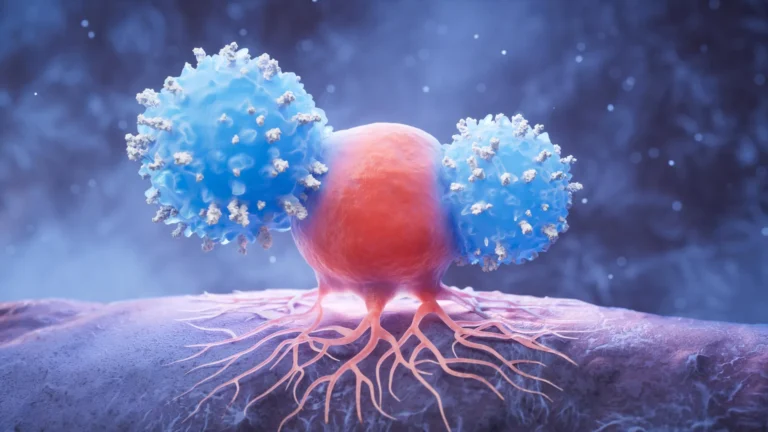
For years, the scientific consensus regarding mRNA vaccine efficacy centered on a specific type of immune cell: the cDC1 dendritic cell. These cells are the sentinels of the immune system, responsible for presenting foreign antigens to T cells—the "soldiers" tasked with hunting and destroying infected or malignant cells. Because cDC1 cells are essential for viral defense, it was long assumed they were the exclusive drivers of the immune response triggered by mRNA cancer vaccines.
However, researchers at Washington University, led by Kenneth M. Murphy, MD, PhD, and William E. Gillanders, MD, discovered a surprising level of functional redundancy. In experiments involving mouse models, the team observed that when cDC1 cells were absent, the immune system did not collapse. Instead, a closely related subtype of dendritic cell, known as cDC2, stepped in to fill the void, orchestrating a robust and effective T cell attack against tumors.
This discovery, published in the journal Nature, fundamentally alters our understanding of immune coordination. It suggests that the body possesses a built-in "backup system" for mRNA-based stimulation, a finding that could explain why these vaccines are proving so resilient in clinical settings.
Chronology of a Scientific Breakthrough
The path to this discovery was not linear; it was the result of a deliberate, multi-year effort to dissect the molecular interactions within the tumor microenvironment.
The Initial Hypothesis
Initially, the research team focused on validating the established model: that cDC1 cells were the primary antigen-presenting cells (APCs) for mRNA vaccines. The team utilized advanced genetic engineering to create mouse models that lacked specific subsets of dendritic cells, intending to isolate the role of cDC1 in mounting an anti-tumor response.
The Unexpected Data
When the researchers exposed mice lacking cDC1 cells to mRNA cancer vaccines, they expected the immune response to be severely hampered. Instead, they observed that these mice were still able to generate potent T cell responses and successfully reject aggressive sarcoma tumors. This discrepancy between the established theory and the experimental reality forced a pivot in the research focus.
Identifying the Successor
By comparing the immune profiles of mice lacking cDC1 versus those lacking cDC2, the team identified that cDC2 cells were not merely passive bystanders. They were actively participating in the activation of T cells. The researchers discovered that cDC2 cells possess the unique ability to "cross-dress"—a process wherein they acquire tumor-protein fragments from other cells and display them to T cells, effectively bypassing the need for cDC1 cells to initiate the strike.
Supporting Data: Molecular Fingerprints and Cross-Dressing
The study provided a high-resolution look at how these dendritic cell subtypes communicate with T cells. By analyzing the "molecular fingerprints" of the T cells activated by each subtype, the researchers found that while both cDC1 and cDC2 cells could successfully activate T cells, they did so with subtle differences in their signaling pathways.
- The "Cross-Dressing" Mechanism: The most striking finding involved how cDC2 cells interact with the vaccine instructions. Rather than producing the tumor proteins directly from the mRNA, cDC2 cells rely on a collaborative network. Other cells in the vicinity translate the mRNA into protein fragments, which are then transferred to the cDC2 cells. This complex hand-off ensures that even if one cell pathway is compromised, the message—that the tumor must be destroyed—is delivered to the T cells.
- Synergy vs. Substitution: The data further indicated that in a healthy immune system, both cDC1 and cDC2 cells work in concert. While the study proved that each could function independently to reject tumors, the presence of both subtypes creates a more robust and multifaceted immune response.
Official Perspectives: Translating Research into Therapy
The implications of this study are being felt across the oncology community. Kenneth M. Murphy, the Eugene Opie Centennial Professor of Pathology & Immunology at WashU Medicine, emphasizes that this is not just an academic exercise but a roadmap for future drug development.
"There is a lot of interest in applying the mRNA vaccine approaches used during the COVID-19 pandemic to the problem of inducing anti-tumor immunity," Murphy stated. "By dissecting which immune cells are involved and how they coordinate the response, we’re offering vaccine developers some additional mechanistic insights to consider in their goal of optimizing these vaccines against tumor proteins."
Dr. William E. Gillanders, a surgical oncologist at Siteman Cancer Center, echoed this sentiment. Having developed an investigational vaccine for triple-negative breast cancer, Gillanders understands the clinical urgency of these findings. "This work uncovers a new way mRNA vaccines engage the immune system—through both cDC1 and cDC2—which helps explain their power and gives researchers concrete targets for making future mRNA cancer vaccines more effective," he noted.
Implications for Future Oncology
The discovery that the immune system is more "plastic" than previously thought has profound implications for the design of the next generation of cancer therapies.
1. Refined Vaccine Formulation
By understanding that both cDC1 and cDC2 are involved, scientists can refine vaccine formulations to target both cell populations simultaneously. This "dual-targeting" approach could lead to more durable immune responses and prevent tumors from developing resistance to the vaccine.
2. Personalized Dosing and Stratification
One of the greatest challenges in oncology is the variability in patient response. Some patients respond brilliantly to immunotherapies, while others do not. The discovery of the cDC1/cDC2 dynamic may provide a biomarker for predicting which patients are most likely to benefit from mRNA vaccines. By analyzing a patient’s dendritic cell profile, clinicians might be able to tailor vaccine dosing or schedules to maximize efficacy.
3. Expanding the Therapeutic Window
Current mRNA cancer vaccines are often used in conjunction with other therapies, such as checkpoint inhibitors. If researchers can "supercharge" the cDC2 pathway, it may be possible to lower the dosage of toxic side-effect-prone treatments while maintaining, or even increasing, the anti-tumor impact.
4. Broadening the Scope of Treatable Cancers
The ability of cDC2 cells to activate an immune response suggests that mRNA vaccines might be effective against tumors that were previously thought to be "cold"—or invisible—to the immune system. If scientists can harness the cross-dressing mechanism to deliver tumor antigens more efficiently to these auxiliary immune cells, they may be able to turn cold tumors "hot," making them susceptible to destruction.
Conclusion: The Horizon of mRNA Medicine
The research coming out of Washington University serves as a vital reminder that the most powerful tools in medicine are often those that utilize the body’s own biological architecture. By uncovering the hidden partnership between cDC1 and cDC2 cells, the team has effectively expanded the "instruction manual" for mRNA cancer vaccines.
As clinical trials continue to scale, the integration of these findings will be essential. The journey from the laboratory bench to the bedside is long and arduous, but with every mechanistic insight—like the discovery of this resilient immune redundancy—the prospect of a universal or highly effective personalized cancer vaccine moves from the realm of science fiction into the reality of modern clinical practice. The future of oncology is not just about killing cancer cells; it is about teaching the immune system to recognize them, no matter how clever their defenses, and empowering the body to finish the job.