






As the calendar turns from September to October, the formal observance of Pain Awareness Month draws to a close. However, for the more than 60 million Americans—nearly one in five adults—living with chronic pain, the transition marks no change in their daily reality. For this vast population, chronic pain is not a seasonal event but a 365-day-a-year endurance test that demands resilience, systemic reform, and, above all, a reason to persist.
The conclusion of Pain Awareness Month serves as a poignant reminder that the challenges of chronic pain are persistent. The "One Movement" that characterized September—encompassing all ages, countless diagnoses, and millions of unique stories—must now transition into a year-round commitment to advocacy, research, and empathetic care.
The Chronic Pain Landscape: A Statistical Reality
Chronic pain is the leading cause of long-term disability in the United States, carrying an economic burden that exceeds that of heart disease, cancer, and diabetes combined. According to the Centers for Disease Control and Prevention (CDC), the annual cost of chronic pain—in terms of direct medical expenses and lost productivity—is estimated to be in the hundreds of billions of dollars.
Yet, beyond the macroeconomic figures, the human cost is immeasurable. Chronic pain is often described as an invisible illness, one that affects physical mobility, mental health, professional trajectory, and personal relationships. It is a diagnosis that frequently leads to medical gaslighting, where patients are told their pain is "all in their heads," leading to a profound erosion of trust between the patient and the healthcare establishment.
Voices from the Frontlines: What Keeps Us Moving?
Throughout the month of September, advocates reached out to those living with chronic pain with a singular, vital question: What gives you hope or keeps you moving forward? The responses, ranging from the profound to the deeply practical, offer a roadmap for how society can better support those navigating life with pain.
1. The Anchor of Support Systems
Human connection serves as the primary buffer against the isolation inherent in chronic pain. For many, the support of family, friends, and even pets is the difference between giving up and pressing on.
"My partner, who is also disabled and in chronic pain, understands in a way no one else can," says Barry, 57. This sentiment of shared experience—or "solidarity"—is a recurring theme. For those like Niki, 54, faith communities and support groups like Celebrate Recovery provide a framework for finding joy despite physical limitations. For parents, the motivation is often external; as 37-year-old Kari explains, watching her child find joy in play provides "glimmers" of hope that allow her to navigate even the most severe pain flare-ups.
2. The Critical Need for Medical Validation
The medical journey for a chronic pain patient is often a labyrinth of specialists, failed treatments, and skepticism. The impact of a provider who listens cannot be overstated.
"Where there are 10 nurses who treat you the worst and don’t believe your pain, there are two that have a heart of compassion," notes Bobbie, 42. Validation is not just a soft skill; it is a clinical necessity. When a therapist or doctor acknowledges the validity of a patient’s experience, it empowers the patient to pursue modifications rather than feeling defeated. As Erica, 45, observes, her therapist’s reminder that she can reach her goals—even if she must adapt how she reaches them—is a cornerstone of her mental health.
3. The Promise of Research and Innovation
While some patients have finally stabilized their condition through multi-modal treatment plans, others remain in a state of perpetual search. For them, hope is anchored in the belief that science is evolving.
"I am hopeful because fibromyalgia is much more understood now than it was 18 years ago," says 68-year-old Debbie. This sentiment is echoed by younger patients like Daisy, 13, who harbors a simple, heartbreaking, yet vital hope: "I hope that I won’t live with this high of a pain forever." The promise of new pharmaceuticals, neuromodulation devices, and a deeper understanding of the neurological mechanisms of pain provides a horizon line for patients to move toward.
Advocacy as a Transformative Act
For many, the struggle with pain is given purpose through advocacy. By translating their suffering into policy work, public speaking, or peer support, these individuals transform their pain into a tool for systemic change.
"I started advocating for chronic pain and patients because I have to make sense of what happened to me," explains Sammie, 31. This transition from victim to advocate is a powerful psychological tool. It shifts the narrative from "Why is this happening to me?" to "How can I ensure this doesn’t happen to others?" For those like Samantha, 43, advocacy provides a sense of meaning that proves life can still be fulfilling even if it looks radically different from original expectations.
Redefining "Success" and "Small Wins"
When the medical establishment looks for success, it often looks for "cures" or "pain reduction." For the patient, however, success is often measured in smaller, more personal metrics.
Creativity acts as a vital distraction. For Max, 24, creative hobbies provide a necessary mental escape. For Traci, 49, a singer/songwriter, composing music about her life with pain creates a communal experience that proves she is not alone. These "small wins"—the ability to read a book, the enjoyment of sunshine, or the satisfaction of helping a neighbor—are the building blocks of a sustainable life. As 72-year-old Beth puts it, "Small victories" are the only currency that matters on a difficult day.
The Reality of Despair
It is crucial to acknowledge that for some, hope is not always present. The medical community often focuses on the "success stories," but for a segment of the chronic pain population, the burden of their condition has led to profound exhaustion.
"Not much gives me hope," says Mary, 70. "Pure desperation keeps me going," notes Bill, 66. These voices are not a failure of the individual, but a reflection of the systemic failures of current pain management practices. When patients are left without answers, without support, and without pain relief, they reach a point of "survival mode." Recognizing this reality is not an act of pessimism; it is an act of honesty that highlights exactly why the medical and policy-making community must do more.
Implications: Moving Beyond Awareness
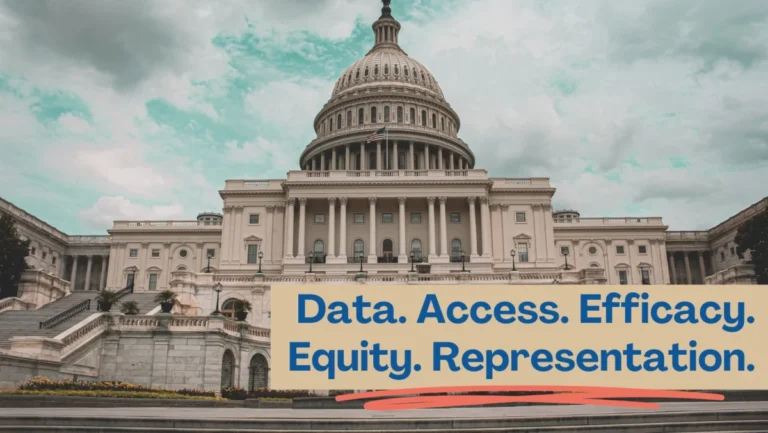
The conclusion of Pain Awareness Month should be viewed as a call to action. To truly improve the lives of the 60 million, we must move beyond the awareness stage and into the implementation of three key pillars:
- Systemic Validation: Medical education must integrate trauma-informed care and empathy training. Believing the patient should be the first step in the diagnostic process, not the last.
- Increased Research Funding: The federal government and private sectors must prioritize chronic pain research, particularly for conditions that lack clear biological markers.
- Holistic Support Infrastructure: We must recognize that medical intervention is only one piece of the puzzle. Mental health, social support, and accessibility to advocacy resources are equally vital to long-term quality of life.
Conclusion: A Year-Round Commitment
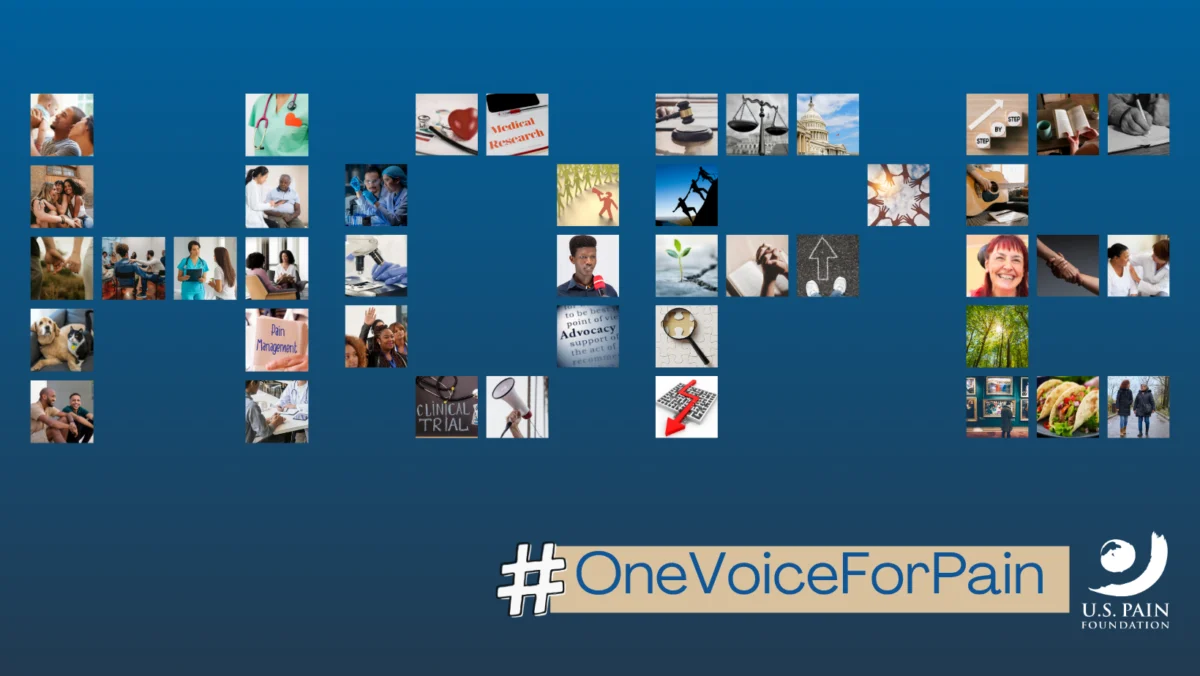
As we move past the formal month of observation, the #OneVoiceForPain initiative continues. The stories shared this month reveal a fundamental truth: hope is not a uniform emotion. It is a kaleidoscopic experience that changes based on the day, the intensity of the pain, and the resources available to the individual.
Whether it is found in the eyes of a pet, the persistence of a doctor, the lyrics of a song, or the simple, quiet defiance of waking up for one more day, hope is the engine of the chronic pain community. Our collective responsibility is to ensure that those who are struggling to find that hope are not left to search for it alone. By listening to these millions of stories and demanding better care, we can shift the narrative from one of silent suffering to one of shared, active, and persistent hope.
#LetsChangePain. Together.