






For millions living with Type 2 diabetes, the daily struggle to manage blood sugar is a constant, exhausting battle against an internal system that has seemingly lost its way. Insulin resistance—the biological phenomenon where cells fail to respond to the hormone tasked with ushering glucose out of the bloodstream and into energy-hungry tissues—is the central antagonist in this chronic disease. For decades, the precise molecular mechanisms driving this resistance have remained shrouded in mystery. However, a landmark study recently published in the journal Nature Communications may have finally illuminated a critical, previously overlooked player in this metabolic breakdown: a protein known as Miro1.
The Discovery: Identifying the "Miro1" Culprit
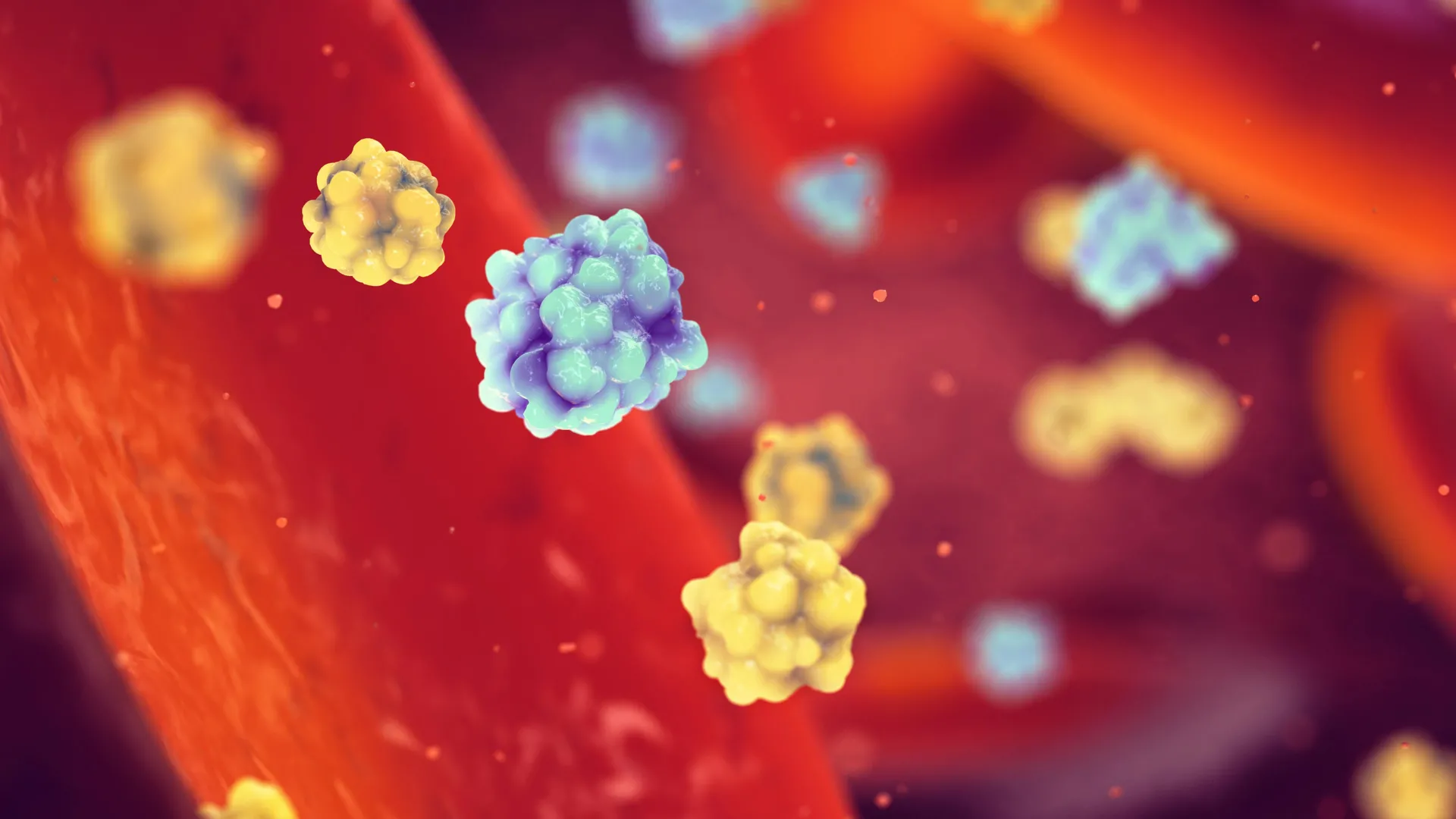
Researchers have identified that Miro1 (Mitochondrial Rho GTPase1), a protein anchored to the outer membrane of mitochondria—the cellular power plants responsible for energy production—plays a pivotal role in the onset of insulin resistance. In the complex ecosystem of human physiology, mitochondria are vital for muscle function. However, when Miro1 levels rise unchecked, the protein appears to act as a metabolic bottleneck, interfering with the muscle’s ability to process insulin effectively.
The discovery was not the result of a single experiment but rather the culmination of years of rigorous, multi-tiered investigation. By observing the protein across laboratory cell cultures, preclinical models, and, crucially, human participants, the research team was able to draw a direct line between the accumulation of Miro1 and the onset of insulin resistance in skeletal muscle. When researchers removed Miro1 in preclinical settings, the muscles regained their ability to respond to insulin, effectively reversing the dysfunction.
A Chronology of Scientific Breakthrough
The journey to identifying Miro1 as a therapeutic target was a deliberate, multi-year process that bridged the gap between basic laboratory science and clinical application.
Phase 1: Observing the Anomaly
The research began by analyzing the muscle tissues of individuals diagnosed with Type 2 diabetes. Scientists observed a distinct, consistent abnormality: elevated concentrations of Miro1 in skeletal muscle cells compared to healthy individuals. This observation provided the initial clue that the protein was not merely a bystander but potentially a driver of disease pathology.
Phase 2: Mechanistic Validation
Once the association was established, the team moved into the laboratory to determine causality. Utilizing cell models, they manipulated Miro1 levels to observe the direct impact on insulin signaling. The results were striking; increased Miro1 levels directly correlated with a reduction in the muscle’s metabolic responsiveness. Conversely, when the protein was experimentally depleted, the cells demonstrated a renewed sensitivity to insulin, suggesting that Miro1 acts as a "molecular brake" on metabolic efficiency.
Phase 3: The Human Clinical Trial
To validate these findings in a real-world context, the researchers conducted a randomized controlled trial. They recruited participants living with obesity and Type 2 diabetes, assigning them to either a standard medical care group or a structured aerobic exercise intervention. The findings provided the final piece of the puzzle: those who engaged in consistent aerobic exercise showed a significant reduction in muscle Miro1 levels. This reduction occurred in tandem with measurable improvements in insulin sensitivity and mitochondrial energy production.
Supporting Data: Why Muscles Matter
The skeletal muscle is the largest metabolic organ in the human body and is responsible for clearing the vast majority of glucose from the blood after a meal. When this organ becomes insulin resistant, the body’s ability to regulate blood sugar collapses.
The data provided by the research team underscores a profound biological feedback loop. In the study, the correlation between exercise and the downregulation of Miro1 suggests that physical activity is not just "burning calories," but is actually remodeling the cellular environment. By lowering Miro1, exercise essentially "cleans up" the mitochondria, allowing them to communicate more efficiently with the rest of the body’s endocrine system. This provides a clear, biological explanation for why doctors have long prescribed exercise as the "first-line" treatment for Type 2 diabetes: it is physically removing the molecular barriers that prevent cells from responding to insulin.
Official Responses: Insights from the Scientific Vanguard
Dr. John P. Kirwan, the study’s senior author and current executive director of the OU Health Harold Hamm Diabetes Center, describes the finding as a significant milestone in metabolic research.
"Insulin resistance in muscle is at the heart of Type 2 diabetes, and its molecular causes have remained frustratingly unclear," Dr. Kirwan stated. "This study, the product of years of work, identifies Miro1 as a key part of the answer. By tracing Miro1 from cells to preclinical models to patients, we show that Miro1 accumulation impairs the muscle’s response to insulin, that removing it causally restores that response in our models, and that exercise reverses its buildup in people."
Dr. Kirwan emphasizes that this discovery is two-fold in its potential: "For the field, this is a new therapeutic target. For patients, it deepens our understanding of why exercise is so effective and opens a path toward treatments that could one day complement it."
The collaborative nature of the study, which spanned the Pennington Biomedical Research Center and the University of Oklahoma, highlights the necessity of "translational research"—the process of moving findings from the petri dish to the patient’s bedside. Dr. Jennifer Rood, Interim Senior Vice Chancellor and Executive Director of Pennington Biomedical, lauded the integrated approach.
"Dr. Kirwan and his team’s findings on Miro1 demonstrate the value of this integrated approach, connecting fundamental discoveries about muscle function with insights into insulin resistance and the benefits of exercise in people with Type 2 diabetes," Dr. Rood said. "This work is advancing our understanding of diabetes and helping lay the foundation for future approaches to prevention and treatment."
Implications for Future Diabetes Management
The identification of Miro1 as a target for metabolic intervention opens several exciting avenues for future medical innovation.
1. New Pharmacological Horizons
While exercise is the gold standard for managing Miro1 levels, not all patients are physically capable of performing the levels of activity required to induce significant physiological changes. The discovery of Miro1 provides a potential "druggable" target. If researchers can develop a therapy that safely modulates Miro1 in the muscle, it could serve as a powerful adjunct to current treatments, potentially helping patients who struggle to maintain blood sugar control despite existing medication.
2. Precision Medicine
The research suggests that individuals with high levels of Miro1 might benefit from specific types of intervention. As the field of precision medicine grows, a simple test to identify elevated Miro1 could eventually help physicians tailor exercise or pharmacological prescriptions to the specific molecular profile of the patient.
3. Deepening the "Exercise as Medicine" Paradigm
The findings validate the physiological importance of movement in a way that is highly specific. By demonstrating that exercise directly clears a specific protein to improve health, it provides a powerful, science-backed motivator for patients. It shifts the narrative of exercise from a vague "lifestyle recommendation" to a specific, mechanism-based biological intervention.
Looking Ahead: The Path to a Cure
Despite the optimism surrounding these findings, the research team remains grounded in the scientific process. Establishing that Miro1 is a target is the first step; determining how to safely and effectively manipulate that target in human patients without unintended consequences will require extensive future study.
Dr. Kirwan, now leading research initiatives at the University of Oklahoma, is committed to carrying this work forward. His team, including co-corresponding author Christopher Axelrod, plans to further explore the biological mechanisms of Miro1 and how it interacts with other metabolic pathways.
"Type 2 diabetes is an affliction in Oklahoma and nationally," Dr. Kirwan noted. "Ultimately, we are looking for cures, and we hope these recent findings could be part of the solution."
The study, which was supported by a robust network of funding bodies including the National Institute of Diabetes and Digestive and Kidney Diseases and the National Institute on Aging, serves as a testament to the power of sustained, collaborative scientific inquiry. As the global diabetes epidemic continues to grow, the search for the "molecular keys" to the disease remains more urgent than ever. In the case of Miro1, science may have just found the key to a door that has been locked for far too long.