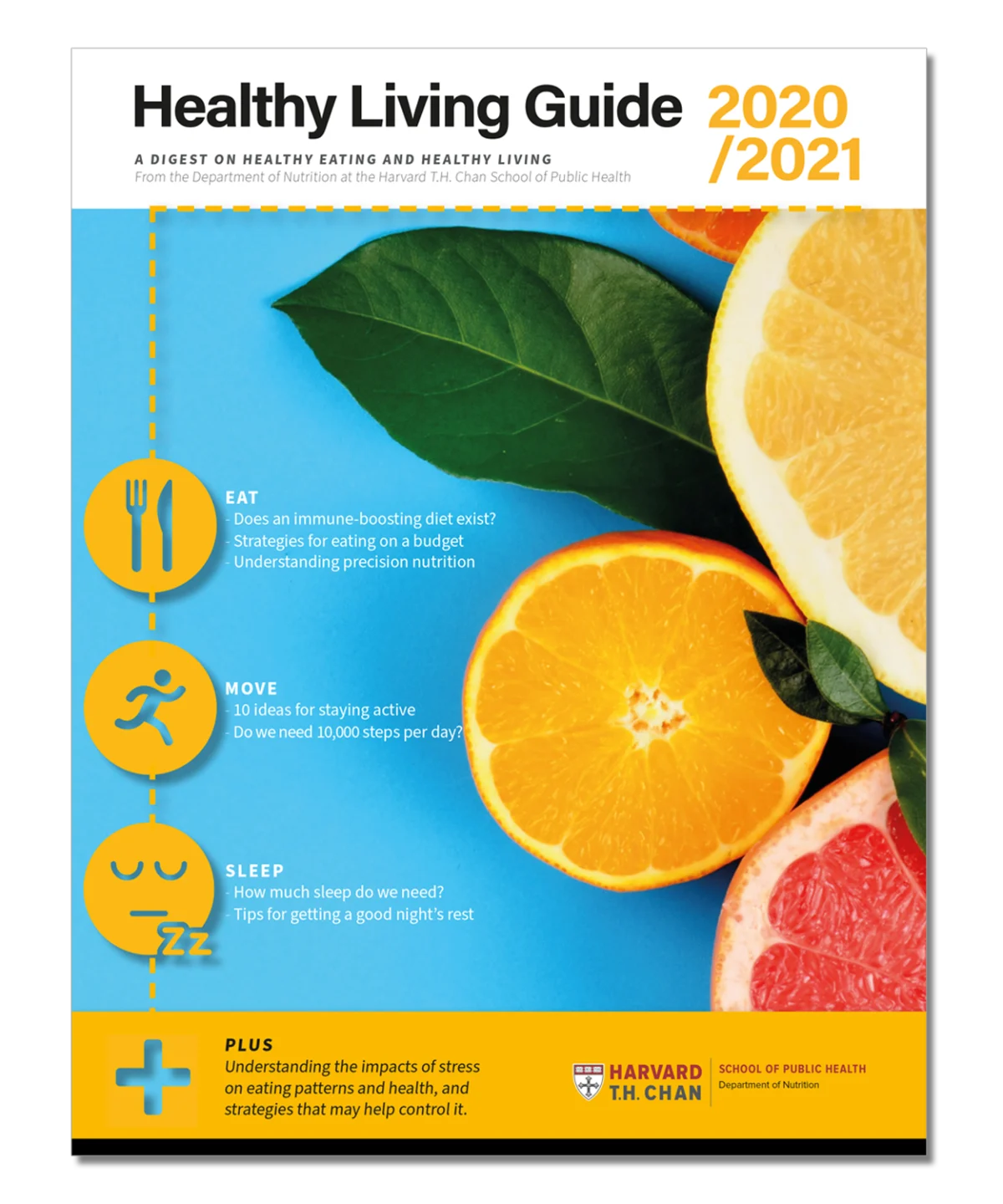
In an era defined by the unprecedented shifts of a global pandemic, the dialogue surrounding personal health has moved from a matter of routine to a matter of necessity. As society navigates the long-term echoes of the 2020–2021 health crisis—a period marked by significant disruptions to food access, financial stability, and mental well-being—the Harvard T.H. Chan School of Public Health’s Healthy Living Guide offers a vital roadmap. More than a simple collection of dietary advice, this resource serves as a foundational blueprint for longevity, resilience, and the prevention of chronic disease.
Main Facts: The Pillars of Longevity
The core philosophy of the Healthy Living Guide is rooted in the empirical observation that lifestyle is the most powerful medicine available to the general public. Research consistently points to five non-negotiable habits that function as the primary determinants of both the quantity and quality of human life:
- A Nutrient-Dense Diet: Moving away from processed staples toward whole, plant-forward foods.
- Regular Physical Activity: Engaging in consistent movement to regulate metabolic function.
- Weight Management: Maintaining a healthy body mass index to reduce systemic inflammation.
- Moderate Alcohol Consumption: Limiting intake to prevent metabolic and organ strain.
- Tobacco Cessation: Eliminating the single greatest contributor to preventable death.
The data is unequivocal: individuals who adhere to these five pillars live, on average, more than a decade longer than those who do not. However, the true success of these habits is measured not just in years added to life, but in "disease-free" years. By committing to these practices in mid-life, individuals drastically reduce their risk of developing debilitating chronic conditions, including cardiovascular disease, type 2 diabetes, and various forms of cancer.
Chronology: Navigating the Pandemic Era
The genesis of this guide was a response to the profound atmospheric shift of 2020. As COVID-19 surged, the global population faced a "perfect storm" of health stressors:
- Early 2020: The onset of the pandemic triggered immediate changes in lifestyle. Lockdowns led to sedentary behavior, while supply chain disruptions complicated access to fresh, healthy produce.
- Mid-2020: As the health crisis persisted, researchers began documenting the secondary effects of the pandemic, including rising levels of emotional distress, anxiety, and the "quarantine 15"—a colloquial term for the weight gain associated with reduced mobility and stress-induced eating.
- Late 2020 – Early 2021: Public health experts realized that while vaccines were being developed to combat the virus directly, the population needed tools to bolster their general immune resilience. The Healthy Living Guide was synthesized to provide actionable, evidence-based strategies for those feeling the strain of prolonged uncertainty.
Supporting Data: The Science of Habit Formation
The connection between lifestyle and immunity is complex. While no specific dietary factor has been proven to "cure" or prevent COVID-19, the relationship between chronic health and immune response is well-established. A body that is not burdened by the chronic inflammation associated with poor diet and inactivity is inherently better equipped to handle pathogens.
According to long-term studies cited by the Harvard T.H. Chan School of Public Health, the cumulative effect of the "Big Five" habits is synergistic. For example, exercise does not just burn calories; it improves vascular health, which in turn facilitates the distribution of immune cells throughout the body. Similarly, a fiber-rich diet supports gut health, where a significant portion of the human immune system resides.
Furthermore, longitudinal studies have demonstrated that the "healthy years" gained by adopting these habits are significant. Adults who maintain these routines in their 40s and 50s are not merely "surviving" into old age; they are thriving. The data shows a marked reduction in the incidence of cancer and cardiovascular events, which are currently the leading causes of mortality globally. By mitigating these risks, individuals effectively "buy" time—years that are free from the burdens of pharmaceuticals, chronic pain, and hospital visits.
Official Responses and Expert Recommendations
The guiding principle offered by public health officials during this period is one of "gentle consistency." Recognizing that the pandemic created emotional and financial hurdles, the Healthy Living Guide intentionally avoids the "all-or-nothing" mentality that often leads to burnout.
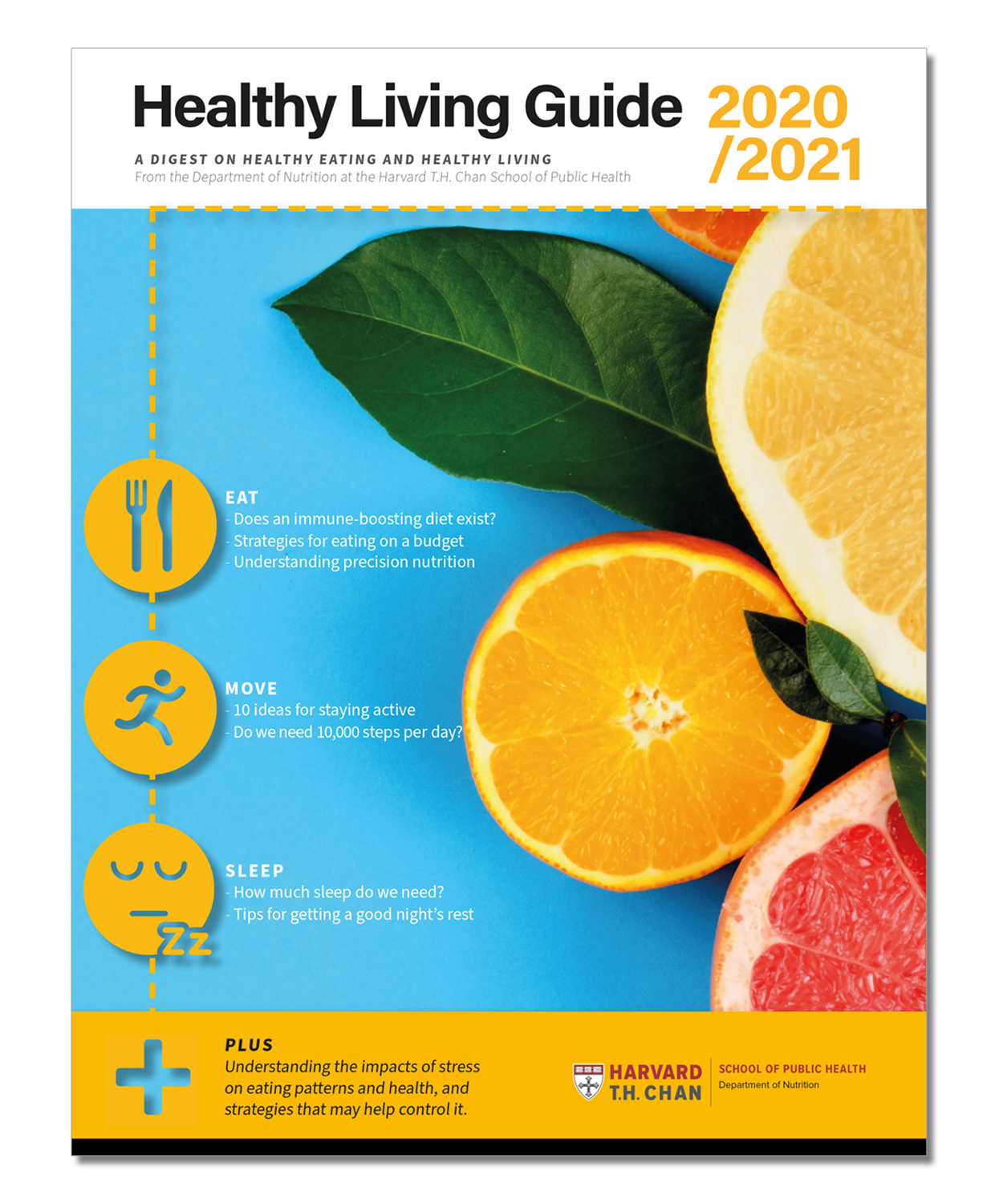
The guide emphasizes that healthy living is a marathon, not a sprint. Expert recommendations include:
- Incremental Goal Setting: Instead of radical lifestyle overhauls, the guide encourages small, measurable changes, such as substituting one processed snack for a piece of fruit or adding a 15-minute walk to the daily schedule.
- Gamification: The introduction of tools like the "Healthy Living Bingo Challenge" is an intentional move to reduce the psychological barrier to entry. By turning healthy habits into a game, users are more likely to stay engaged.
- Holistic Wellness: The guide acknowledges that mental health is a component of physical health. By encouraging hobbies and social connection—even in a socially distanced world—the guide addresses the emotional distress that often leads to poor physical health choices.
Implications: The Future of Public Health
The implications of this guide are profound. If society adopts these five pillars as a standard of living, the strain on global healthcare systems could be reduced by billions of dollars annually. When chronic diseases are prevented through lifestyle, the reliance on high-cost, late-stage medical interventions decreases.
However, the guide also addresses a critical social issue: accessibility. The pandemic highlighted that "healthy living" is often a privilege. By providing printable, low-cost, and accessible resources, the Healthy Living Guide attempts to democratize health information. It acknowledges that in times of economic distress, people need guidance on how to eat well on a budget and how to exercise without expensive gym memberships.
A Path Forward
The Healthy Living Guide is not merely a document; it is an invitation. It asks the reader to look beyond the immediate anxiety of the pandemic and invest in the long-term reality of their own biology.
As we move further away from the acute phase of the pandemic, the lessons learned remain vital. We have seen how quickly our health environment can change, and we have seen how important it is to have a robust, internal defense system. Whether through downloading the printable tip sheets, participating in the bingo challenge, or simply re-evaluating daily caloric intake, the goal remains the same: to foster a culture of health that is sustainable, resilient, and life-extending.
For those looking to begin, the first step is often the most difficult, but as the research suggests, it is also the most rewarding. By shifting our focus toward the foundational habits of nutrition, movement, and mental equilibrium, we do more than just survive a crisis—we build a foundation for a future defined by vitality.
For those interested in actionable resources, the full Healthy Living Guide (PDF) and the Healthy Living Bingo Challenge are available for download through the Harvard T.H. Chan School of Public Health’s Nutrition Source portal. These resources are designed to be printed, shared, and utilized by individuals and families alike, regardless of their current health status or fitness level.