










For decades, the medical community has categorized drugs like mifepristone and ulipristal acetate (UPA) primarily through the lens of reproductive health. Known colloquially and legally as abortion-inducing or emergency contraceptive medications, these drugs have been caught in the crosshairs of the most intense political and cultural battles in the United States. However, emerging research from the United Kingdom and beyond suggests that these medications—specifically those that act as anti-progestins—may possess a latent, life-saving potential far removed from the reproductive debate: the prevention of aggressive breast and ovarian cancers.
As researchers uncover the biological mechanisms by which these drugs inhibit cellular proliferation, they are increasingly hitting a wall of political apprehension in the U.S. Experts warn that the climate of fear surrounding any medication associated with abortion is stifling scientific innovation, potentially depriving millions of women of life-saving preventative therapies.
The Biological Mechanism: Why Anti-Progestins?
At the core of this research is the hormone progesterone. In the breast, progesterone promotes the growth and division of cells. Under normal conditions, this is a standard biological process; however, in individuals with a genetic predisposition or a family history of breast cancer, this rapid cell division can lead to mutations that eventually manifest as malignant tumors.
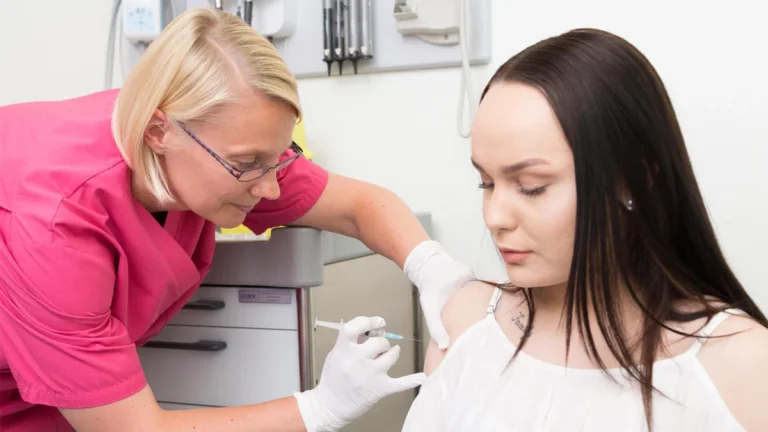
Dr. Sacha Howell, an oncologist at the University of Manchester, has led groundbreaking trials investigating how ulipristal acetate—a drug that blocks the effects of progesterone—can essentially "calm" breast tissue. By inhibiting the signaling that tells cells to divide, the drug reduces the proliferative activity of breast tissue.
"The more cell divisions, the more proliferation there is in the breast, the higher the chance that there is going to be a breast cancer," Dr. Howell explains. His research suggests that by reducing the "stiffness" of breast tissue—a known risk factor for cancer—these drugs may not only prevent tumor formation but could also improve the efficacy of mammograms by making dense breast tissue easier to screen.
Chronology of Discovery and Clinical Trials
The journey toward recognizing these drugs as potential chemopreventives has been a slow, uneven trajectory:
- 2010: The FDA approves ulipristal acetate (marketed as Ella) as an emergency contraceptive. Its ability to block progesterone receptors is firmly established, but its secondary effects on other hormone-sensitive tissues are only beginning to be understood.
- 2017-2018: Early-stage research in the U.K. begins to examine the impact of UPA on pre-menopausal women with high-risk genetic profiles.
- 2023: Dr. Howell’s team publishes results from a trial involving 24 women. The findings are stark: after 12 weeks of treatment, there was a measurable reduction in the cells responsible for aggressive, "triple-negative" breast cancers.
- 2023-2024: Following the overturning of Roe v. Wade in the U.S., the political environment surrounding "abortion-adjacent" drugs undergoes a seismic shift. Funding, institutional review board (IRB) approvals, and pharmaceutical interest in the U.S. for these specific compounds decline sharply due to fear of litigation and political backlash.
Supporting Data: The Case for Chemoprevention
The promise of this research is not merely theoretical. The clinical data collected by researchers like Dr. Howell and those at the University of California, San Francisco (UCSF), points to a significant opportunity for cancer mitigation.
In the U.K. study, researchers observed that the architecture of the breast tissue changed after just 12 weeks of UPA administration. The tissue "relaxed," moving away from a dense state that often masks developing tumors during standard mammography. Given that breast density is a major factor in "missed" diagnoses—with studies showing that approximately eight out of every 1,000 women screened are found to have cancer only after a diagnostic discrepancy—the potential for UPA to act as a dual-purpose screening and preventative agent is profound.
Furthermore, international research into mifepristone has indicated that it may hold similar preventative capabilities for women carrying the BRCA gene mutation, which significantly elevates the risk of both breast and ovarian cancer. For women like Mary Benjamin, a trial participant and breast cancer survivor, the ability to offer a preventative tool to her daughters and granddaughters is not a political act, but a moral imperative. "Having an option to take that medication in advance to prevent their chance of getting any type of cancer… is a win-win," she asserts.
Official Responses and the Political Divide
The intersection of science and politics has created a precarious environment for these medications. Anti-abortion advocacy groups, such as Concerned Women for America, maintain a rigid stance: if a drug can induce an abortion, its utility in other areas of medicine is often secondary to the risk they perceive it poses to their cause.
"It’s important for people to know that this is an abortion drug and that it may end up harming women," says Wendy Wright of Concerned Women for America. This narrative has successfully pressured some legislators and administrative bodies, creating a "chilling effect" on research.
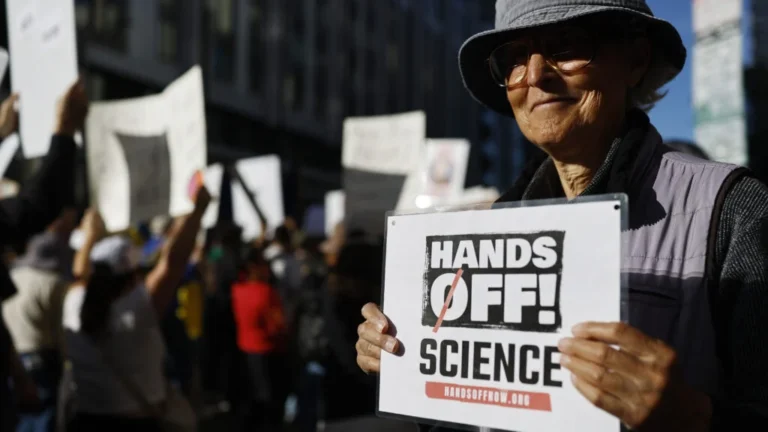
Conversely, prominent medical voices, such as Dr. Laura Esserman of UCSF, argue that the medical community is failing patients by allowing politics to dictate the boundaries of scientific inquiry. "I have spent my life trying to prevent people from dying of breast cancer," Dr. Esserman says. "It would be terrible to have women dying of completely preventable causes." She emphasizes that the safety profiles of these drugs have been established through decades of use, yet the fear of being "punished" for researching them is leading to a withdrawal of investment and institutional support.
Implications for the Future of Women’s Health
The implications of this standoff are severe. If the United States continues to treat these medications as purely political symbols rather than pharmaceutical tools, it risks falling behind in the global race for cancer prevention.
1. The "Brain Drain" of Innovation
As U.S. researchers face mounting obstacles, the center of gravity for this research is shifting to Europe. Dr. Howell admits that while he has potential collaborators in the U.S., the prospect of navigating the current American political climate is a "huge uphill struggle." If American scientists cannot secure funding or institutional backing, the next generation of preventative cancer therapies will likely be developed abroad, delaying their availability to American patients.
2. A Call for Institutional Protection
For these drugs to be studied effectively, there must be a firewall between political ideology and the FDA’s drug approval processes. Dr. Esserman argues that the government must provide clear signals that researchers will not face legal or professional jeopardy for investigating these compounds. Without such assurances, private investment will remain stagnant, as pharmaceutical companies are wary of the reputational and legal risks associated with controversial medications.
3. Patient Advocacy and Autonomy
The perspective of patients like Pamela Cachart and Mary Benjamin underscores the disconnect between the political narrative and the reality of patient need. Many women who are ideologically opposed to abortion do not view the use of these drugs for cancer prevention as a contradiction. They see it as a medical necessity. The demand for agency over one’s own health, especially in the face of a high-risk family history, remains a powerful, if underrepresented, voice in the debate.
Conclusion
The potential to transform the landscape of cancer prevention is within reach, but it requires a fundamental shift in how society views these medications. As Dr. Howell notes, "Politics is intimately involved with science," because the funding and regulation of the latter depend on the former. However, when the lines between public health and partisan conflict blur, the primary casualty is the patient.
If science is to serve its purpose, the conversation must move beyond the labels attached to these drugs and toward the cellular mechanisms they influence. As the global medical community pushes forward, the U.S. stands at a crossroads: it can continue to allow the shadow of the abortion debate to obscure scientific progress, or it can reclaim these tools for the sake of the thousands of women who are, quite literally, waiting for a clock to stop ticking.