










For the millions of individuals living with a transplanted organ, the diagnosis of COVID-19 has long been viewed as a high-stakes clinical emergency. Because these patients rely on lifelong immunosuppressive therapy to prevent organ rejection, their immune systems are uniquely compromised, leaving them vulnerable not only to the immediate respiratory distress of a SARS-CoV-2 infection but also to a cascade of long-term systemic complications.
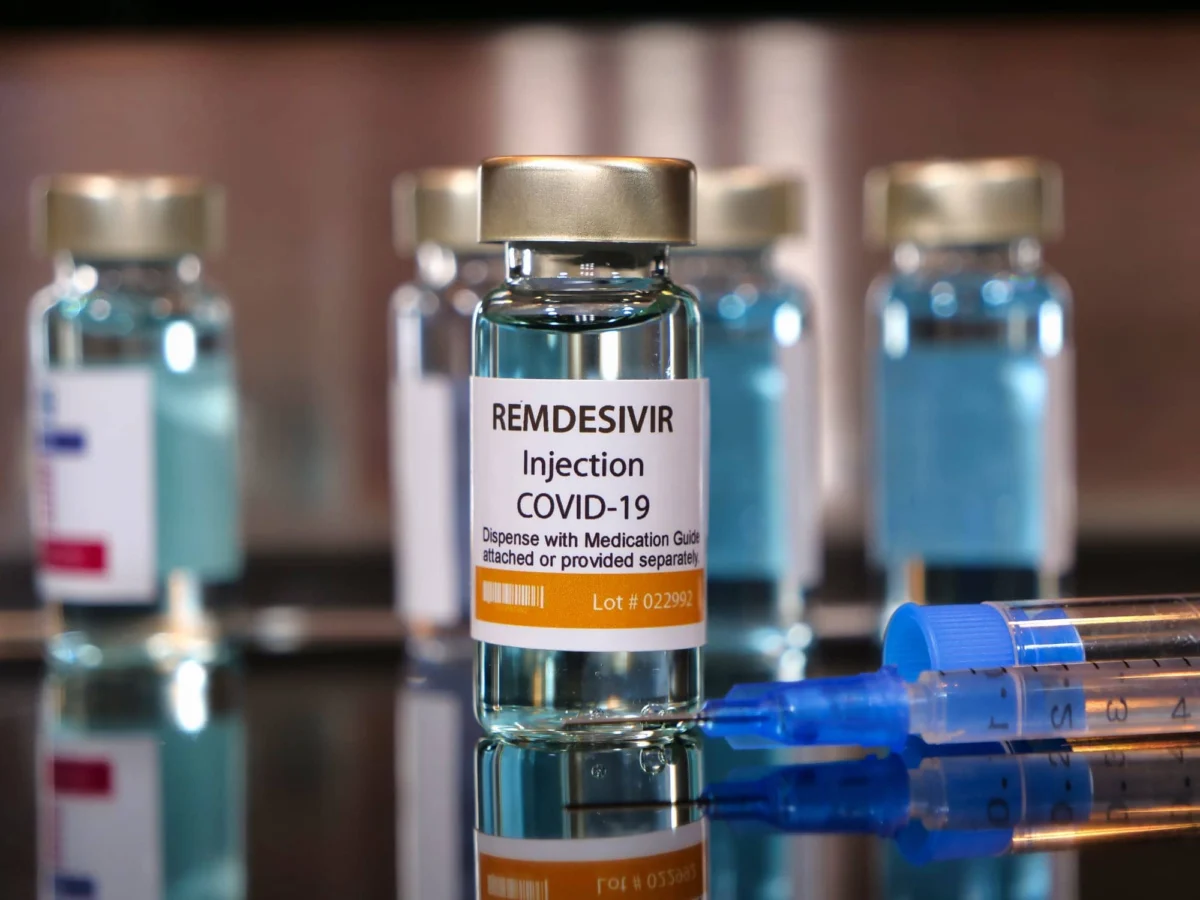
A groundbreaking study published in JAMA Network Open has now provided a potential roadmap for mitigating these long-term risks. Researchers at Johns Hopkins Medicine have discovered that administering the antiviral medication remdesivir within seven days of a COVID-19 diagnosis can slash the risk of organ rejection and cardiovascular complications by nearly half for up to one year post-diagnosis.
The Core Findings: A Shift in Clinical Strategy
The study, which utilized a target trial emulation design, focused on a cohort of 432 adult kidney transplant recipients diagnosed with COVID-19 between March 2020 and January 2024. The results offer a compelling argument for the early deployment of antivirals in high-risk populations.
Patients who received at least three consecutive days of remdesivir therapy demonstrated significantly better health outcomes compared to their counterparts who did not receive the antiviral. After adjusting for critical variables—including patient age, vaccination status, and the initial severity of the viral infection—the research team found that early intervention was associated with a 47% lower risk of all-cause graft loss. In clinical terms, "graft loss" signifies the ultimate failure of the transplanted kidney, whether through direct rejection or the death of the patient.
Furthermore, the protective benefits extended beyond the kidney. The study reported a 42% reduction in major cardiovascular events, including heart attacks and strokes, among those who received the treatment. These findings suggest that the therapeutic window for COVID-19 in transplant patients is not merely about surviving the acute infection; it is about preventing the "long-tail" damage that COVID-19 can inflict on the cardiovascular and renal systems.
Chronology of a Vulnerable Population
To understand the gravity of these findings, one must look at the timeline of the pandemic as it relates to transplant medicine.
The Early Pandemic (2020–2021)
During the initial waves of the pandemic, physicians were forced to walk a tightrope. The primary concern was the potential for COVID-19 to trigger a "cytokine storm," an overreaction of the immune system that could be fatal. Consequently, many clinicians opted to temporarily suspend or significantly reduce the dosage of immunosuppressive drugs in transplant recipients. The JAMA Network Open study confirmed this trend, noting that 59% of the participants in the study had their immunosuppressive regimens interrupted at the time of their diagnosis to allow the body to combat the virus.
The Emergence of Therapeutics (2022)
As the pandemic progressed, the medical community gained access to more robust antiviral tools, including remdesivir. While remdesivir was initially authorized for hospital-based care, its role in outpatient and early-intervention settings became a subject of intense scrutiny. The study period, which spanned nearly four years, captures the transition from reactive, inpatient care to proactive, early-intervention strategies.
The Analytical Phase (2023–2024)
By aggregating data over these four years, the Johns Hopkins team was able to move beyond anecdotal observations. They analyzed the outcomes of 177 patients who received remdesivir and 255 who did not. Notably, the group receiving remdesivir was generally sicker at the onset; 33% required some form of respiratory support, compared to just 11% in the non-treated group. The fact that the remdesivir cohort still fared better despite being "sicker" at baseline underscores the potent efficacy of the drug.
Supporting Data: Dissecting the Risk Factors
The statistical rigor of the study is what makes these findings so impactful for nephrologists and transplant surgeons. The cohort was inherently high-risk, with 20% of the total group (88 individuals) requiring supplemental oxygen upon arrival at the clinic or hospital.
When the researchers parsed the data, the patterns were stark:
- Graft Loss: The 47% reduction in graft loss is a major clinical milestone. For a patient who has spent years waiting for a donor organ, the fear of losing that organ is a constant shadow. This study provides a quantifiable way to lower that risk.
- Cardiovascular Health: The 42% reduction in cardiovascular events highlights the systemic nature of COVID-19. By dampening the viral load early, clinicians may be preventing the inflammatory damage to the endothelium (the inner lining of blood vessels) that leads to clots, strokes, and myocardial infarction.
- The "Three-Day" Threshold: The researchers identified that at least three consecutive days of therapy were necessary to achieve these protective effects, providing a clear clinical directive for how the drug should be administered in a real-world setting.
Official Responses and Clinical Perspectives
The lead investigators at Johns Hopkins Medicine have framed these results as a call to action for the broader medical community.
"These findings suggest that timely antiviral treatment may have benefits beyond the acute phase of COVID-19 in this population," said Nitipong Permpalung, MD, MPH, senior study author and associate director of the Johns Hopkins Transplant Research Center. Dr. Permpalung emphasized that hesitation remains a barrier to effective care. "We hope these findings will help reduce hesitations that physicians may have with considering providing remdesivir, when clinically appropriate, to adult kidney transplant recipients."
The sentiment was echoed by the first study author, Karan Srisurapanont, MD. "Several biologically plausible mechanisms may explain the observed associations," Dr. Srisurapanont stated in a news release. He explained that early suppression of viral replication acts as a "circuit breaker" for the body’s inflammatory response. By stopping the virus from replicating early, the treatment prevents the systemic inflammation, endothelial injury, and hypercoagulable states (severe blood clotting) that characterize severe COVID-19 and its subsequent complications.
Implications for Future Medical Practice
The implications of this study are far-reaching, particularly for how clinical trials are designed and how high-risk patients are managed.
1. Re-evaluating Trial Inclusion
Historically, transplant recipients have been excluded from major randomized controlled trials due to their complex medical histories and the risk of drug-drug interactions with immunosuppressants. This study demonstrates that "target trial emulation"—a method of using high-quality observational data to mimic the structure of a randomized trial—can provide critical, actionable data where traditional trials have failed to reach.
2. Standardizing Early Intervention
For physicians, the study serves as a practical guide. It suggests that if a kidney transplant recipient tests positive for COVID-19, the decision to initiate remdesivir should be made rapidly—ideally within the first seven days—rather than waiting for signs of severe respiratory decline.
3. Addressing the Knowledge Gap on Long COVID
While the study provided clear data on graft survival and heart health, it was less definitive regarding "Long COVID" symptoms, such as cognitive fog or persistent fatigue. The researchers noted that the number of documented cases in their cohort was too small to draw statistically significant conclusions. This highlights a critical area for future research: Does early antiviral intervention also lower the incidence of chronic, lingering symptoms in transplant recipients?
4. A Model for Other Transplant Populations
While this study focused specifically on kidney transplant recipients, the biological mechanisms involved—viral-induced inflammation and vascular damage—are universal. It is highly probable that these findings will encourage similar studies across other organ transplant populations, including those with heart, liver, and lung transplants, who share similar immunosuppressive profiles.
Conclusion
The Johns Hopkins study represents a significant leap forward in the management of COVID-19 within the transplant community. By confirming that early antiviral intervention offers long-term, systemic protection, the researchers have provided clinicians with a powerful tool to preserve both the function of the transplanted organ and the overall cardiovascular health of the patient.
In the complex world of transplant medicine, where every intervention must be carefully weighed against the risk of rejection, these findings offer a rare sense of clarity. For the patient, it means the potential for a safer, more resilient recovery. For the physician, it provides the evidence-based confidence to move quickly, treating the infection early to protect the patient’s future. As we continue to navigate a world where COVID-19 remains a persistent threat, this research serves as a vital reminder: in the delicate ecosystem of the transplant recipient, time is quite literally the most precious asset.