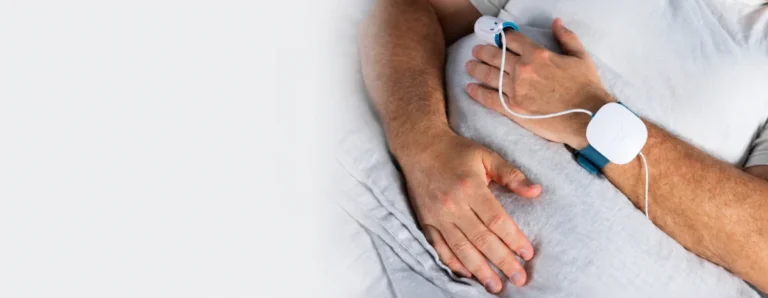
For decades, the gold standard for success in Obstructive Sleep Apnea (OSA) management has been the normalization of the Apnea-Hypopnea Index (AHI). Clinicians have long celebrated the reduction of respiratory events as the primary metric of therapeutic efficacy. However, as medical understanding of sleep architecture and patient-centered outcomes evolves, a troubling reality has emerged: a significant portion of patients who achieve "successful" treatment—defined by a low AHI—continue to suffer from debilitating excessive daytime sleepiness (EDS).
This disconnect between clinical metrics and patient experience has become a focal point of modern sleep medicine. In an effort to bridge this gap, a landmark two-part webinar series, which concluded its live programming on May 29, 2026, brought together leading experts to redefine the standard of care for residual EDS. The series, featuring sleep physicians Dr. Edward Mezerhane and Dr. Laura Bogan Herpel, challenges the field to move beyond simple data points and prioritize the restoration of real-world cognitive and social functioning.
Main Facts: The "Residual Sleepiness" Paradox
The core of the issue lies in the definition of "treatment success." While continuous positive airway pressure (CPAP) therapy and oral appliances are undeniably effective at keeping airways open and reducing hypoxia, they do not universally restore alertness.
Research presented during the webinar highlights that between 10% and 50% of patients with treated OSA report persistent EDS. This residual sleepiness is not merely an inconvenience; it is a profound medical concern. It directly impairs workplace productivity, strains interpersonal relationships, clouds cognitive function, and diminishes overall quality of life. The presenters argued that the reliance on the AHI as the sole arbiter of treatment efficacy is a diagnostic blind spot that leaves millions of patients under-treated and symptomatic.
Chronology: The Evolution of OSA Management
The historical progression of sleep medicine can be categorized into three distinct eras:
- The Detection Era (Pre-2000s): The primary focus was the identification of airway collapse. The introduction of polysomnography (PSG) allowed clinicians to quantify sleep-disordered breathing. The AHI became the metric by which all success was measured.
- The Adherence Era (2000–2020): With the widespread adoption of CPAP, the industry focused heavily on adherence. Clinicians prioritized "hours of use," assuming that if a patient used the machine for four or more hours, the symptoms would naturally resolve.
- The Functional Era (2020–Present): As evidenced by the 2026 webinar series, the field has entered an era focused on patient-reported outcomes (PROs) and functional restoration. The focus is no longer just on the presence of breathing, but on the quality of the patient’s waking life.
The live event held on May 29, 2026, served as a synthesis of this evolution, urging practitioners to integrate functional assessment tools into their routine follow-ups.
Supporting Data: Why AHI Isn’t Enough
The disconnect between the AHI and EDS is supported by a growing body of evidence. During the presentation, the faculty underscored several key data points:
- The Fragmentation Factor: AHI counts the number of respiratory events, but it does not adequately account for the micro-arousals that occur throughout the night. Even if the airway is "patent," the autonomic nervous system may still be responding to subtle physiological stressors, leading to non-restorative sleep.
- The Neurochemical Legacy: Chronic hypoxia and sleep fragmentation can lead to long-term changes in neurotransmitter levels, particularly those involving hypocretin/orexin, dopamine, and norepinephrine. These chemical imbalances often persist even after the mechanical obstruction is resolved.
- Comorbidities: Patients often suffer from overlapping conditions—such as obesity, depression, and metabolic syndrome—that independently contribute to fatigue. Treating the apnea does not automatically "cure" the patient of their comorbid symptoms.
- Patient-Reported Outcomes (PROs): The use of standardized tools like the Epworth Sleepiness Scale (ESS) and the Functional Outcomes of Sleep Questionnaire (FOSQ) has revealed that patients often perceive their health status differently than their clinical metrics suggest.
Expert Perspectives: The Webinar Faculty
The webinar series featured two prominent voices in the field who provided the clinical framework for managing these challenging cases.
Dr. Edward Mezerhane, MD, FAASM, FACP, DABOM, CPI
Dr. Mezerhane, a board-certified sleep physician and obesity medicine specialist, brought a holistic perspective to the discussion. His approach centers on the "metabolic-sleep axis." He argued that the management of OSA cannot be separated from the management of weight and inflammatory markers. Dr. Mezerhane emphasized that in 2026, the clinician’s role is to act as a detective, investigating beyond the CPAP data to uncover lifestyle factors, nutritional deficiencies, and endocrine imbalances that may be fueling persistent daytime sleepiness.
Dr. Laura Bogan Herpel, MD, FCCP
Dr. Herpel, an expert in pulmonary and critical care medicine, focused on the diagnostic nuances of sleep disorders. She emphasized the importance of distinguishing between "sleepiness" (the inability to stay awake) and "fatigue" (the lack of energy). Her presentation highlighted the necessity of comprehensive follow-up testing. If a patient remains sleepy, she advocates for a multi-disciplinary approach, including repeat home sleep apnea testing (HSAT) to check for mask leaks, consideration of secondary sleep disorders like Restless Legs Syndrome (RLS) or Periodic Limb Movement Disorder (PLMD), and, where appropriate, the use of pharmacological adjuncts.
Implications for Clinical Practice
The shift in perspective championed by this webinar series has significant implications for how primary care physicians, pulmonologists, and sleep specialists interact with patients.
1. Moving Beyond the AHI
Clinicians are encouraged to stop asking "Is the CPAP working?" and start asking "How is the patient functioning?" The AHI should be treated as a secondary metric of success, while patient-reported alertness and cognitive performance should be the primary goals.
2. Standardizing Assessment
The use of objective tools—such as the Maintenance of Wakefulness Test (MWT)—should be more accessible for patients who report high levels of sleepiness despite successful treatment. Standardized screening for depression and anxiety, which often mimic or exacerbate sleepiness, should be integrated into every sleep clinic visit.
3. Emerging Treatment Strategies
The webinar explored new pharmacological and therapeutic avenues. While CPAP remains the gold standard for structural obstruction, the industry is seeing an increase in the use of wake-promoting agents for patients with residual EDS. Furthermore, emerging research into hypoglossal nerve stimulation and advanced oral appliance therapy suggests that the future of OSA management will be highly personalized.
4. Patient Education and Expectation Management
Many patients believe that a CPAP machine is a panacea. When they remain tired, they become discouraged and may abandon therapy. Clinicians must manage expectations by explaining that while OSA treatment is a necessary foundation, it may not be the only requirement for total vitality.
Conclusion: A Call for Holistic Care
The 2026 webinar series serves as a critical milestone for the sleep medicine community. By shifting the focus from the mechanical obstruction to the patient’s functional life, the medical field is moving toward a more empathetic and effective model of care.
For those who were unable to attend the live sessions, the recordings remain an essential resource. Part 1 and Part 2 of the series are available on-demand, offering clinicians the opportunity to re-evaluate their current protocols. As the medical community continues to refine its approach, the ultimate goal remains clear: not just to keep the patient breathing throughout the night, but to ensure they are fully present and vibrant throughout the day.
The era of "AHI-centric" medicine is drawing to a close. In its place, we are seeing the rise of a comprehensive, patient-centered approach that honors the complexity of human sleep and the profound impact that quality rest has on the human experience. By embracing this evolution, clinicians can provide better outcomes, stronger patient relationships, and a higher standard of health for those living with OSA.
For more information on these strategies, readers are encouraged to view the on-demand modules of the "Solving Residual Sleepiness" webinar series available on the Sleep Review website.