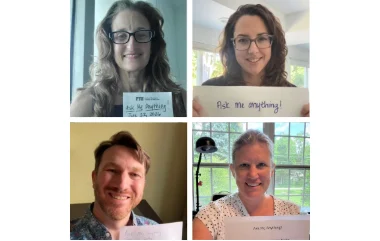
Chronic insomnia is a silent epidemic. It affects millions of individuals globally, eroding productivity, straining mental health, and complicating the management of long-term physical conditions. To combat the pervasive lack of awareness surrounding this disorder, the American Academy of Sleep Medicine (AASM) and the Society of Behavioral Sleep Medicine (SBSM) recently hosted their annual Insomnia Awareness Night. This initiative serves as a critical bridge between complex medical research and the public, providing a platform to demystify sleep disorders and promote evidence-based treatment strategies.
As part of this year’s campaign, a distinguished panel of sleep experts—Dr. Spencer Dawson, Dr. Sarah Honaker, Dr. Monica Kelly, and Dr. Jennifer Martin—engaged directly with the public through a live “Ask Me Anything” (AMA) session on Reddit. The session offered a rare, candid look into how medical professionals view common sleep myths, the efficacy of modern technology, and the gold-standard treatments for those struggling to find rest.
The Landscape of Modern Insomnia: Understanding the Crisis
Insomnia is characterized not merely by a "bad night," but by persistent difficulty initiating or maintaining sleep that significantly impairs daily functioning. Clinically, it is often defined as having sleep challenges that occur at least three times per week and persist for longer than three months.
Despite the widespread nature of the issue, many sufferers remain trapped in a cycle of trial-and-error—experimenting with OTC supplements, expensive wearables, and unverified digital trends. The Reddit AMA served to provide a voice of reason amidst the noise, emphasizing that while sleep is a biological necessity, the path to improving it is rarely found in a pill or an app.
A Chronology of the Expert Dialogue
The AMA session unfolded over several hours, moving through a curated selection of questions that represent the most frequent frustrations voiced by the public. The discussion followed a logical progression:
- The "Catch-up" Myth: Addressing the common belief that weekend sleep can offset weekday deficits.
- The Technology Gap: Debating the utility and psychological toll of sleep-tracking devices.
- The Supplement Paradox: Evaluating the industry of sleep aids, including melatonin and microdosing THC.
- Sensory Aids: Discussing the role of binaural beats and environmental factors.
- Clinical Intervention: Providing guidance for those with severe, medically complex sleep disruptions.
Supporting Data and the "Catch-up" Reality
One of the most pressing questions fielded by Dr. Jennifer Martin concerned the "weekend catch-up" phenomenon. In a culture of burnout, many employees sacrifice sleep during the workweek, banking on the idea that extra hours on Saturday and Sunday will balance the ledger.
"Yes and no," Dr. Martin noted, providing a nuanced perspective. While current research suggests that catching up on sleep during the weekend is statistically better than continuing to operate in a state of chronic sleep deprivation, it is far from an ideal solution. The biological reality is that consistency remains the bedrock of health. Achieving seven or more hours of sleep on a regular, nightly basis is the only proven method to protect long-term health and cognitive well-being. The "debt" model of sleep is fundamentally flawed; one cannot simply pay back lost hours without incurring biological interest in the form of metabolic or psychological strain.
The Double-Edged Sword of Sleep Technology
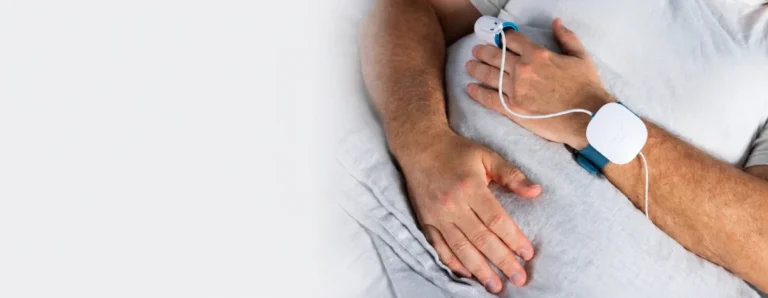
The rise of wearable technology, such as the Apple Watch and other fitness trackers, has democratized health data. However, Dr. Sarah Honaker warned of the "orthosomnia" phenomenon—where the pursuit of perfect sleep data actually triggers anxiety that prevents sleep.
"Tracking sleep over time can be helpful, particularly if it motivates you to change a sleep-related behavior, such as maintaining a consistent bedtime," Dr. Honaker explained. However, she emphasized that these devices are not clinical-grade diagnostic tools. They may lack the precision of polysomnography, the gold standard used in sleep labs.
The most significant danger of these devices is the psychological burden they place on the user. If an individual wakes up feeling refreshed but checks their watch to see a "poor sleep score," they may develop a misplaced sense of fatigue or anxiety. Dr. Honaker’s advice was clear: "The most important indicator is how you feel the next day." If the data causes stress, it is counterproductive to the primary goal of sleep.
The Supplement Industry and the Search for a "Quick Fix"
The supplement market for sleep aids has expanded exponentially, often outpacing the clinical evidence required to validate them. Dr. Jennifer Martin addressed the public’s reliance on melatonin and THC microdoses with a cautious, evidence-based approach.
"The number of sleep supplements on the market is growing faster than the scientific evidence supporting them," she noted. She highlighted that many sleep aids operate on a placebo effect. While believing a supplement works can reduce the "effort" of trying to fall asleep—thereby allowing sleep to occur naturally—this does not mean the chemical compound itself is providing clinical benefit.
Regarding melatonin, Dr. Martin clarified a common misconception: it is primarily a chronobiotic, not a sedative. It is most effective for shifting sleep timing, such as in cases of jet lag or delayed sleep phase syndrome, rather than for the treatment of chronic insomnia. Furthermore, the lack of high-quality studies on THC microdosing leaves clinicians unable to endorse it as a safe or reliable sleep aid. For those with chronic, debilitating insomnia, the expert consensus remains steadfast: Cognitive Behavioral Therapy for Insomnia (CBT-I) is the first-line, gold-standard treatment.
Sensory Distractions: Binaural Beats and Ambient Noise
For many, the silence of the bedroom is daunting, leading them to use binaural beats or podcasts to drown out intrusive thoughts. Dr. Spencer Dawson addressed the efficacy of binaural beats, noting that while there is limited high-quality research, they function primarily as a cognitive distraction.
"If binaural beats work as suggested, they may help induce a calmer brain state," Dr. Dawson explained. "However, even if they don’t work in that way, they may serve as a pleasant and relaxing distraction. This is somewhat similar to listening to a podcast or audiobook while falling asleep." The key, he suggested, is the reduction of cognitive arousal, allowing the mind to detach from the stresses of the day.
Implications: When to Seek Professional Help
The session also addressed more severe, underlying issues. One participant described waking up every two minutes—a condition known as hyperarousal—which leaves them perpetually exhausted. Dr. Martin stressed that this is a red flag indicating a potential sleep disorder that requires a clinical investigation.
"Frequent arousals during sleep can be a sign of a sleep disorder," Dr. Martin stated. "If you have not yet seen a sleep medicine specialist, ask for a referral so the full range of potential causes can be discussed."
For those struggling with early morning awakenings (waking up at 4:00 or 4:30 a.m. and unable to return to sleep), Dr. Dawson suggested that context is everything. These awakenings can be linked to circadian phase advances, anxiety, depression, or obstructive sleep apnea. His practical advice was to avoid "forcing" sleep. If one cannot sleep, they should not start their day prematurely but should allow their body to remain at rest without the pressure to produce a specific number of hours.
Conclusion: A Path Toward Better Sleep
The insights shared by the AASM and SBSM experts underscore a fundamental shift in how we should approach sleep: moving away from consumer-grade "hacks" and toward behavioral, evidence-based practices.
The takeaway from the AMA is twofold. First, sleep is highly individualized; what works for one person may be detrimental to another. Second, the reliance on external aids—whether they are digital trackers or chemical supplements—often masks the underlying issues that require a deeper, cognitive, or clinical approach.
As Insomnia Awareness Night continues to grow in influence, the message to the public is one of empowerment. By understanding the limitations of current technology and the importance of sleep hygiene, individuals can move toward a more sustainable, healthier relationship with their rest. For those who find that their insomnia persists despite lifestyle changes, the medical community remains ready to provide the necessary support through proven therapies like CBT-I and professional diagnostic care.
For those who missed the live session, the full transcript of the Reddit AMA remains available, serving as a comprehensive resource for anyone seeking to reclaim their nights and, by extension, their days.