







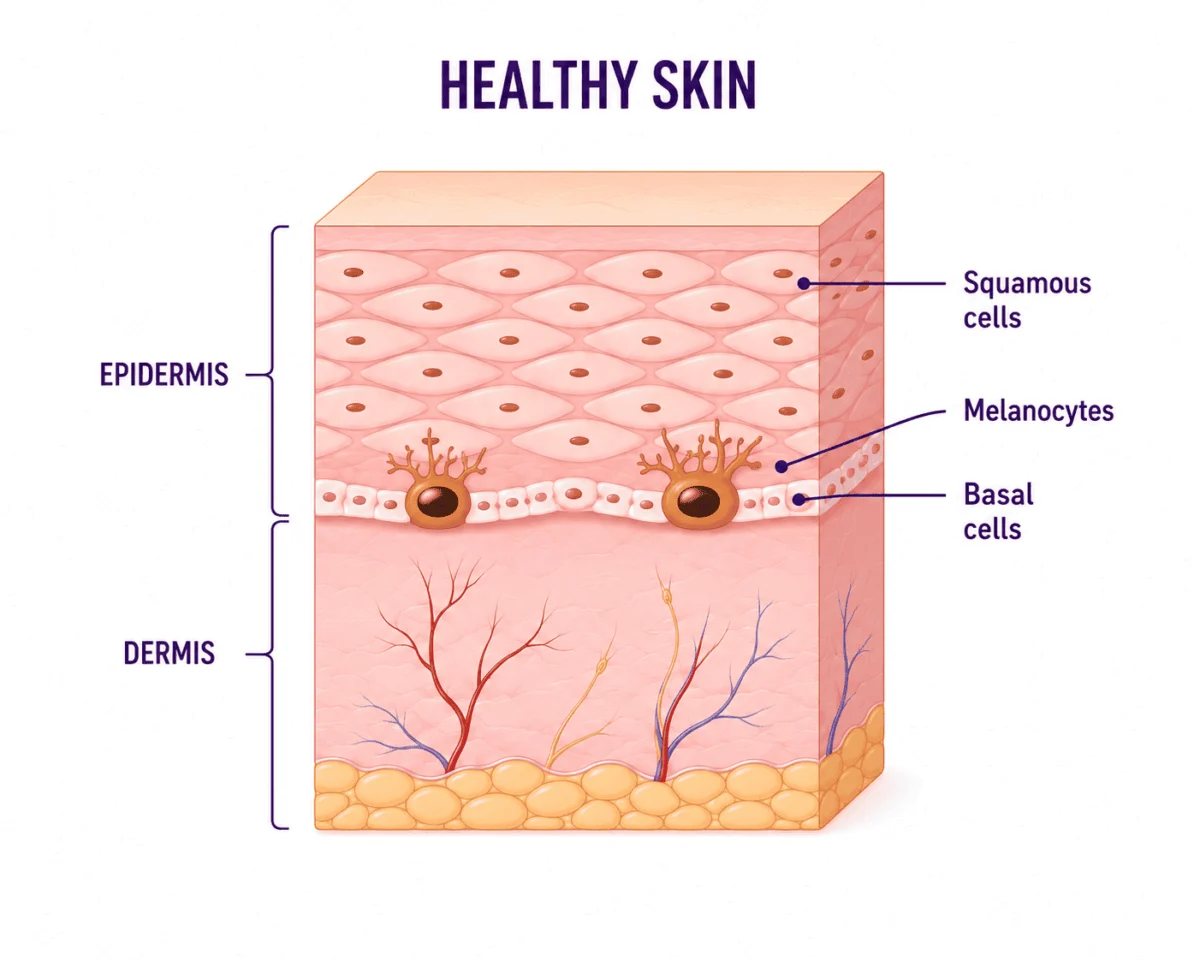
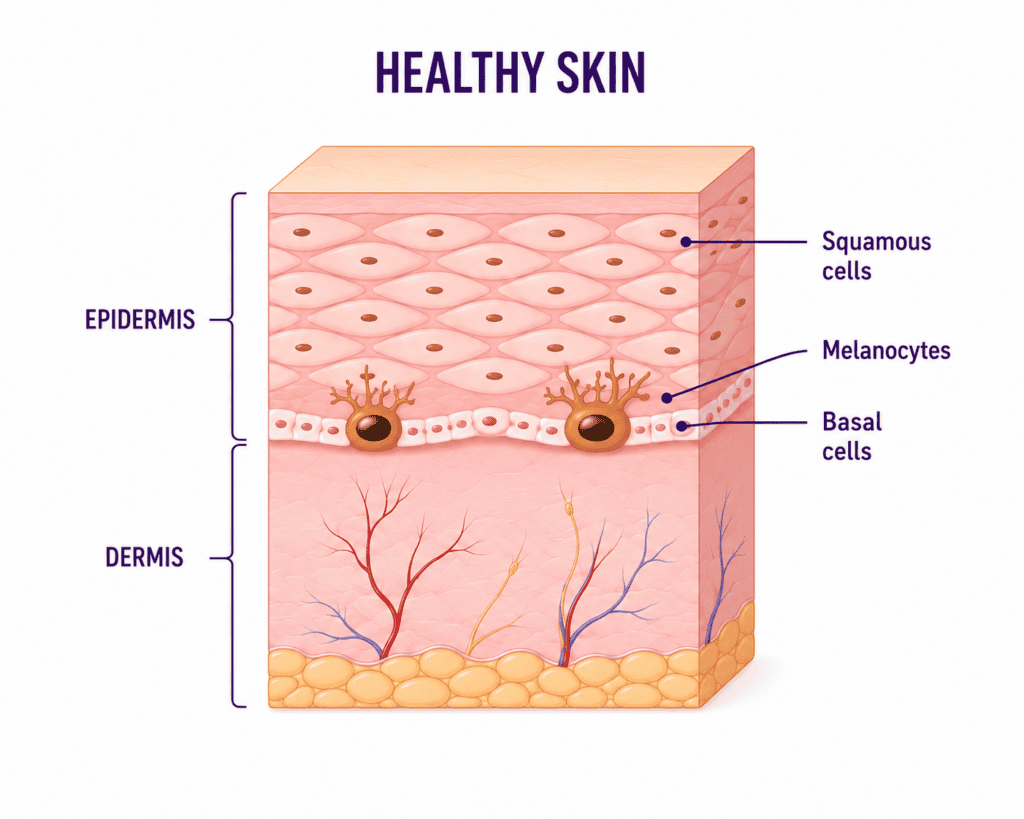
Your skin is not merely a covering; it is the human body’s largest and most exposed organ. It serves as our primary defense against environmental pathogens, temperature fluctuations, and the relentless barrage of solar radiation. Yet, despite its resilience, it is uniquely susceptible to the invisible threats posed by ultraviolet (UV) radiation.
As we mark July as Ultraviolet (UV) Radiation Safety Awareness Month, the Cancer Research Institute (CRI) underscores a vital truth: while skin cancer remains a prevalent health challenge, it is also one of the most preventable. By understanding the mechanisms of radiation damage and the revolutionary advancements in medical science, we can transition from a state of vulnerability to one of informed, proactive defense.
The Invisible Threat: Understanding UV Radiation
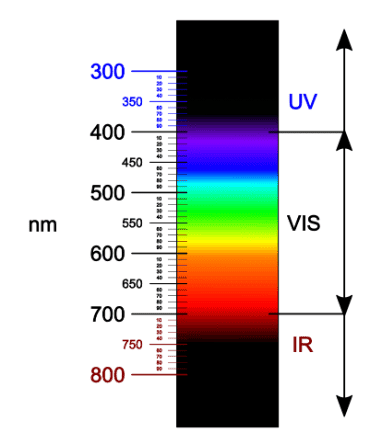
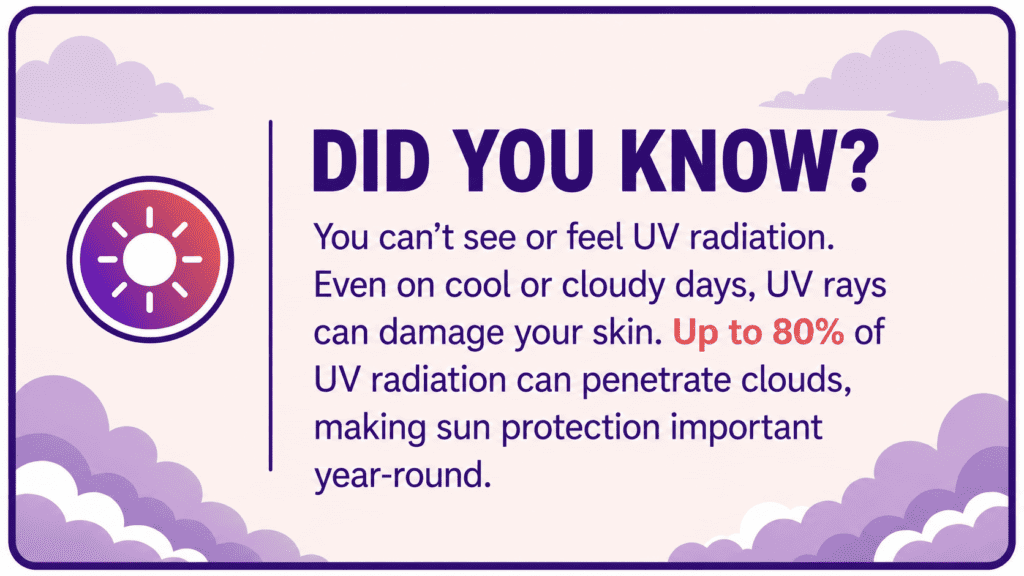
To understand the risk, one must first understand the enemy. UV radiation occupies a specific segment of the electromagnetic spectrum, with wavelengths ranging from 100 to 400 nanometers. It sits between visible light and X-rays, rendering it entirely invisible to the human eye. This invisibility is precisely what makes it so dangerous; one cannot "see" the damage being done to cellular structures until the clinical consequences manifest.
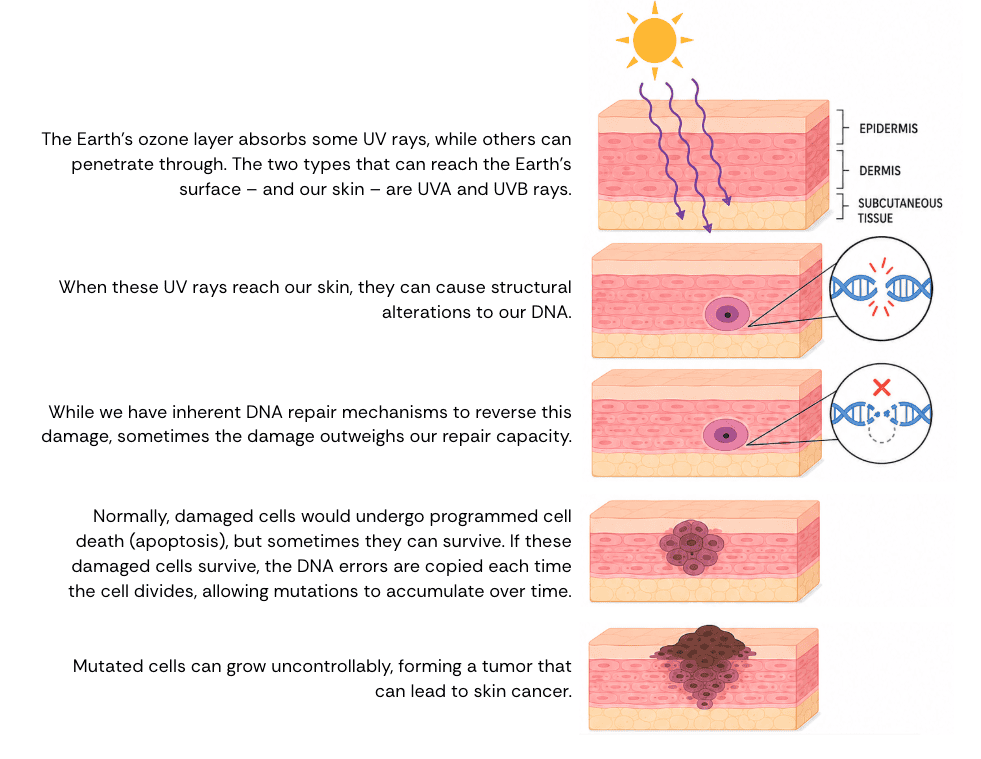
UV radiation arrives primarily from the sun, but significant, concentrated doses are also delivered through artificial sources, such as indoor tanning beds. The damage caused by these rays is largely cumulative. The skin has a "memory," and every instance of overexposure—whether a single severe sunburn or years of incidental, daily exposure—contributes to the degradation of DNA within skin cells. Over time, this repetitive insult can overwhelm the body’s natural repair mechanisms, leading to uncontrolled cellular growth and, eventually, cancer.
Chronology of Progress: From Laboratory to Lifesaving Treatment
The history of cancer treatment has been defined by a shift from broad-spectrum attacks like chemotherapy to precise, targeted interventions. The most significant leap in this timeline is the development of immunotherapy.
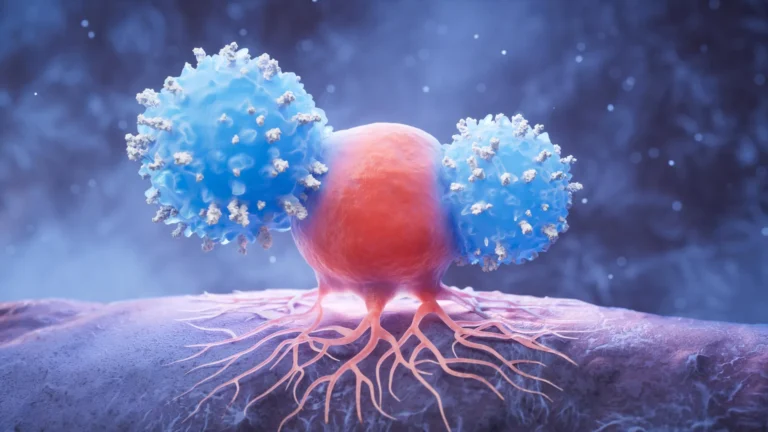
For decades, Stage 4 melanoma was considered a virtual death sentence. The standard of care was largely ineffective against metastatic disease. However, the paradigm shifted with the discovery of "immune checkpoints"—the molecular "brakes" that tumors use to hide from the immune system.
The breakthrough came through the work of researchers like James P. Allison, PhD, Director of the CRI Scientific Advisory Council. Dr. Allison’s foundational research into T-cell activation revealed that by blocking these inhibitory pathways, the immune system could be "unleashed" to recognize and destroy cancer cells. This work earned him the Nobel Prize in Physiology or Medicine in 2018.
The clinical validation of this theory is best exemplified by the story of Sharon Belvin. In the early 2000s, as a 22-year-old with Stage 4 melanoma, her prognosis was bleak. She became one of the first patients to enroll in a clinical trial for Immune Checkpoint Inhibitors (ICIs). Decades later, she remains cancer-free, a testament to the fact that basic laboratory research can, quite literally, rewrite the future for patients.
Supporting Data: The Landscape of Modern Research
While immunotherapy has saved thousands of lives, the scientific community remains humble regarding its limitations. Currently, between 30% and 50% of patients with advanced melanoma do not respond to standard ICIs. This "primary resistance" is the next frontier of cancer research.
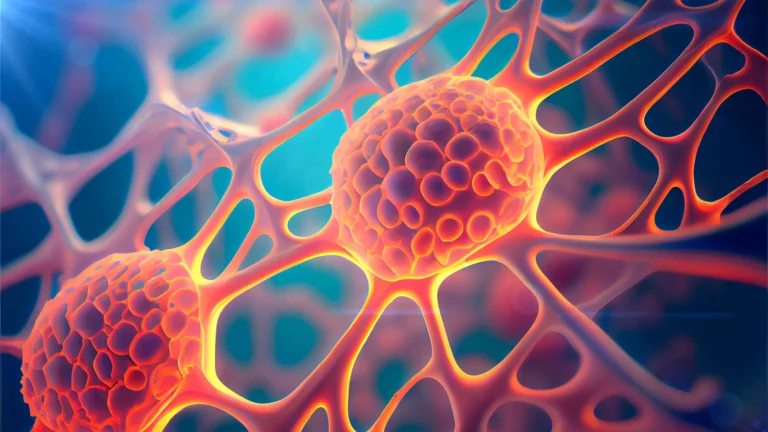
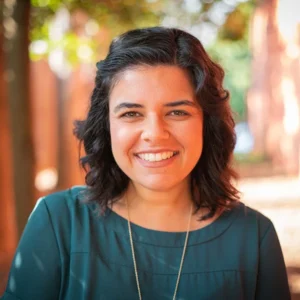
Leading scientists, such as Dr. Katie Campbell, a former CRI Postdoctoral Fellow, are looking past the "what" of immune cells and focusing on the "where" and "how." Dr. Campbell utilizes advanced imaging to study the "cellular neighborhoods" within a tumor. By analyzing the architecture of these clusters—how immune cells, cancer cells, and blood vessels communicate—researchers are beginning to map why some patients respond to treatment while others do not.
Dr. Campbell describes this process through a compelling analogy: "It’s like taking a picture of a bike race before it starts. Before the race, you can just see a crowd of bikes. Once they’re moving, you can see which cyclists are at the front of the pack versus the back. By watching the system in motion, we can make significantly more accurate inferences about the outcome."
This research is moving toward a future of "predictive oncology," where clinicians can analyze a patient’s tumor microenvironment and determine the likelihood of success before the first dose of immunotherapy is administered, sparing patients the physical and emotional toll of ineffective treatment cycles.
Implications for Public Health and Individual Responsibility
The implications of these findings are twofold. First, there is an urgent need for continued public health education regarding prevention. The most effective treatment for cancer is, and always will be, the prevention of the initial mutation.
Essential Prevention Protocols
- Broad-Spectrum Protection: Use SPF 30 or higher sunscreen every day, regardless of cloud cover. UV rays penetrate clouds and glass, meaning exposure happens even on overcast days or while driving.
- The "Shadow" Rule: If your shadow is shorter than you are, the UV rays are at their most intense. Seek shade during these peak hours, typically between 10:00 a.m. and 4:00 p.m.
- Physical Barriers: Sunscreen is not a suit of armor. Broad-brimmed hats, UV-blocking sunglasses, and tightly woven, long-sleeved clothing provide a physical barrier that never wears off.
- Regular Screenings: Self-examination is critical. Use the "ABCDE" rule (Asymmetry, Border, Color, Diameter, Evolving) to monitor moles and skin changes. Early detection remains the strongest predictor of survival for all forms of skin cancer.
Second, the implication for the medical field is a shift toward personalized, precision medicine. As we uncover the mechanisms that cause some tumors to resist immunotherapy, we open the door to combination therapies. By "priming" the tumor environment or using novel agents to support ICIs, we are expanding the pool of patients who can achieve long-term remission.
A Call to Action: Supporting the Science of Tomorrow
The journey from the laboratory bench to the bedside is long, expensive, and complex. It relies on the synthesis of fundamental immunology, clinical trials, and patient advocacy.
As we look toward the future, the goal is clear: a world where skin cancer is either entirely avoided through vigilant protection or effectively managed as a chronic, rather than fatal, condition. Every dollar invested in immunotherapy research is a step toward refining these "cellular neighborhoods" and ensuring that more patients, like Sharon Belvin, are granted the gift of decades of life.
Whether you are applying a final layer of sunscreen before a weekend outing or supporting the organizations that fuel global cancer research, your actions are part of a larger ecosystem of protection. We are in a golden age of oncology where the immune system is finally being harnessed for its true potential. By combining the best of our preventative habits with the cutting-edge innovations of modern science, we can ensure that the "largest organ" in our body remains our greatest asset in the fight for health.
As July draws to a close, remember that UV awareness is not a seasonal chore—it is a lifelong commitment. Your skin protects you every day; ensure that you are protecting it in return. Through the synergy of prevention and scientific progress, we are not just treating skin cancer—we are mastering the ability to overcome it.