











By [Your Name/Journalistic Staff]
Based on insights from Nishita Shah, Faculty at the California College of Ayurveda
In an era dominated by standardized medical protocols, the ancient practice of Ayurveda stands in stark, radical contrast. While modern allopathic medicine frequently seeks to categorize diseases into broad, manageable silos, Ayurveda operates on the fundamental premise that no two human beings are identical. This philosophy—that health is a bespoke, deeply personal journey—is the cornerstone of what makes Ayurvedic medicine not just an alternative, but a sophisticated system of personalized biological optimization.
The Philosophical Foundation: Beyond Symptom Management
The primary criticism directed at modern healthcare is its tendency to treat the "band-aid" rather than the wound. A patient presenting with chronic pain is often prescribed a uniform analgesic, regardless of the underlying constitution or the nature of the discomfort. In contrast, an Ayurvedic practitioner views pain through the lens of the three doshas: Vata, Pitta, and Kapha.
"No two bodies are the same," explains Nishita Shah, a faculty member at the California College of Ayurveda. "Even something as ‘simple’ as pain has multiple paths of treatment protocols. You can have a Vata-type of pain, a Pitta-type of pain, and a Kapha-type of pain."
This level of granularity is not limited to pain management. Consider diabetes: where conventional medicine largely classifies the condition into two primary types (Type 1 and Type 2), the Ayurvedic framework identifies twenty distinct classifications of the disease. This is not merely an academic difference; it dictates the entire trajectory of healing. By understanding the samprapti—the specific disease process or the pathway the imbalance has taken through the body—a practitioner can identify which qualities (or gunas) are out of balance and craft a strategy that addresses the root cause rather than suppressing the manifestation.
The Mechanics of Detoxification: A Chronological Look at Panchakarma
Central to Ayurvedic healing is Panchakarma, a rigorous, multi-stage detoxification process. However, the term "standardized" is a misnomer. While the framework of the therapy is universal, the execution is entirely contingent on the client’s prakruti (inherent constitution), vikruti (current state of imbalance), agni (digestive fire), and ama (toxin accumulation).
The process is divided into three distinct chronological phases:
Phase I: Purvakarma (The Preparatory Stage)
Before any major "kriya" or action can occur, the body must be prepared. Purvakarma is the architectural foundation of the detox. It serves two vital functions: kindling the agni and loosening toxins.
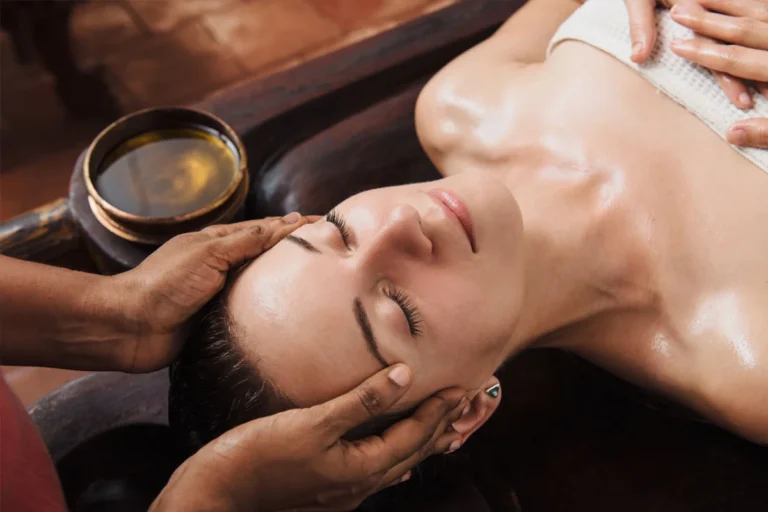
The digestive fire must be stoked to process metabolic waste. Depending on the individual, a practitioner might prescribe ginger-based digestive aids or specific water-intake protocols. Simultaneously, the patient undergoes internal oleation—the consumption of medicated ghees or oils. This is not for nutrition; it is a mechanical process. The oils penetrate deep into the tissues, softening and dislodging stagnant toxins, effectively pulling them from their deep-seated hiding spots into the digestive tract, where they can finally be evacuated.
Phase II: Pradhana-karma (The Five Actions)
This is the stage from which the term Panchakarma—meaning "five actions"—is derived. Once the toxins have been mobilized, they must be removed. This phase is highly selective; a patient rarely undergoes all five actions, as the selection depends entirely on the specific doshic imbalance.
- Virechana (Purgation): Targeting the small intestine, liver, and gallbladder, this therapy uses herbal laxatives to purge excess Pitta. It is the gold standard for inflammatory conditions.
- Basti (Medicated Enema): Directed at the large intestine—the primary seat of Vata—Basti utilizes herbal teas or oils. Unlike standard medical enemas, these are designed to nourish the colon wall and facilitate systemic absorption of healing properties.
- Vamana (Emesis): Used to remove excess Kapha from the stomach. Through a controlled, supervised process involving licorice and salt water, the body is induced to expel phlegm. This is a highly specific therapy and is not intended for the general public.
- Nasya (Nasal Administration): Oils are applied via the nasal passages to clear head-space imbalances, improve memory, and alleviate chronic congestion or "brain fog."
- Raktamoksha (Blood Cleansing): Historically performed via leech therapy to clear the blood of ama, this is rare in modern Western clinical settings. Practitioners today utilize alternative blood-cleansing protocols, adhering to the principle that pure blood (which carries prana or life-force) is essential for overall vitality.
Phase III: Paschyatkarma (The Rejuvenation Stage)
The final stage is perhaps the most overlooked. Detoxification is physically taxing. After the "kriyas" have cleared the system, the body is left in a state of vulnerability. Paschyatkarma focuses on rebuilding. It involves a carefully curated diet and lifestyle plan designed to restore tissue health and ignite sustainable vitality. Without this phase, the patient risks falling back into the very imbalances that necessitated the detox in the first place.
Supporting Data: The Science of Individuality
While modern clinical trials favor large-scale, randomized controlled studies, the "data" of Ayurveda is gathered through the longitudinal observation of the individual. The effectiveness of these therapies is evidenced by the resolution of long-standing, systemic issues—such as autoimmune flares or digestive disorders—that fail to respond to singular drug interventions.
The logic is simple: If you treat a symptom, you treat a result. If you treat the agni and clear the ama while balancing the doshas, you treat the person. The "data" in this case is the shift from a state of chronic disease to a state of homeostasis.
The Vital Role of the Practitioner: A Call for Caution
Given the intensity of these procedures, the role of the practitioner cannot be overstated. A poorly executed Panchakarma can result in physical distress or a worsening of symptoms. This is why the rise of "DIY" wellness trends is particularly concerning to the Ayurvedic community.
"Without the practitioner, doshic imbalances can worsen or take a turn in a direction that is less than desirable," Shah warns. "It is important to ensure that both your practitioners and the center support your specific health goals."
Implications for Modern Healthcare
As the global wellness industry continues to expand, the integration of Ayurvedic principles offers a significant opportunity to improve patient outcomes. The implication is clear: we must move toward a model of medicine that honors biological diversity.
For the healthcare consumer, this means exercising due diligence. Before engaging in any deep-cleansing program, one should verify the training and clinical experience of the practitioner. The goal of Ayurveda is not to replace emergency medical intervention, but to provide a holistic framework for long-term health and prevention.
Conclusion
Ayurveda is more than a set of herbs or a detox ritual; it is a sophisticated, ancient, and highly logical system of personalized medicine. By moving beyond the "one-size-fits-all" mentality, practitioners and patients can work together to address the root causes of imbalance. Whether through the careful preparation of Purvakarma or the restorative care of Paschyatkarma, the path to wellness remains—as it has for thousands of years—a journey of one.
For those interested in the rigorous training required to practice these ancient arts, more information on professional educational programs can be found at the California College of Ayurveda. For those seeking residential healing retreats, visit the SoHum Mountain Healing Resort.