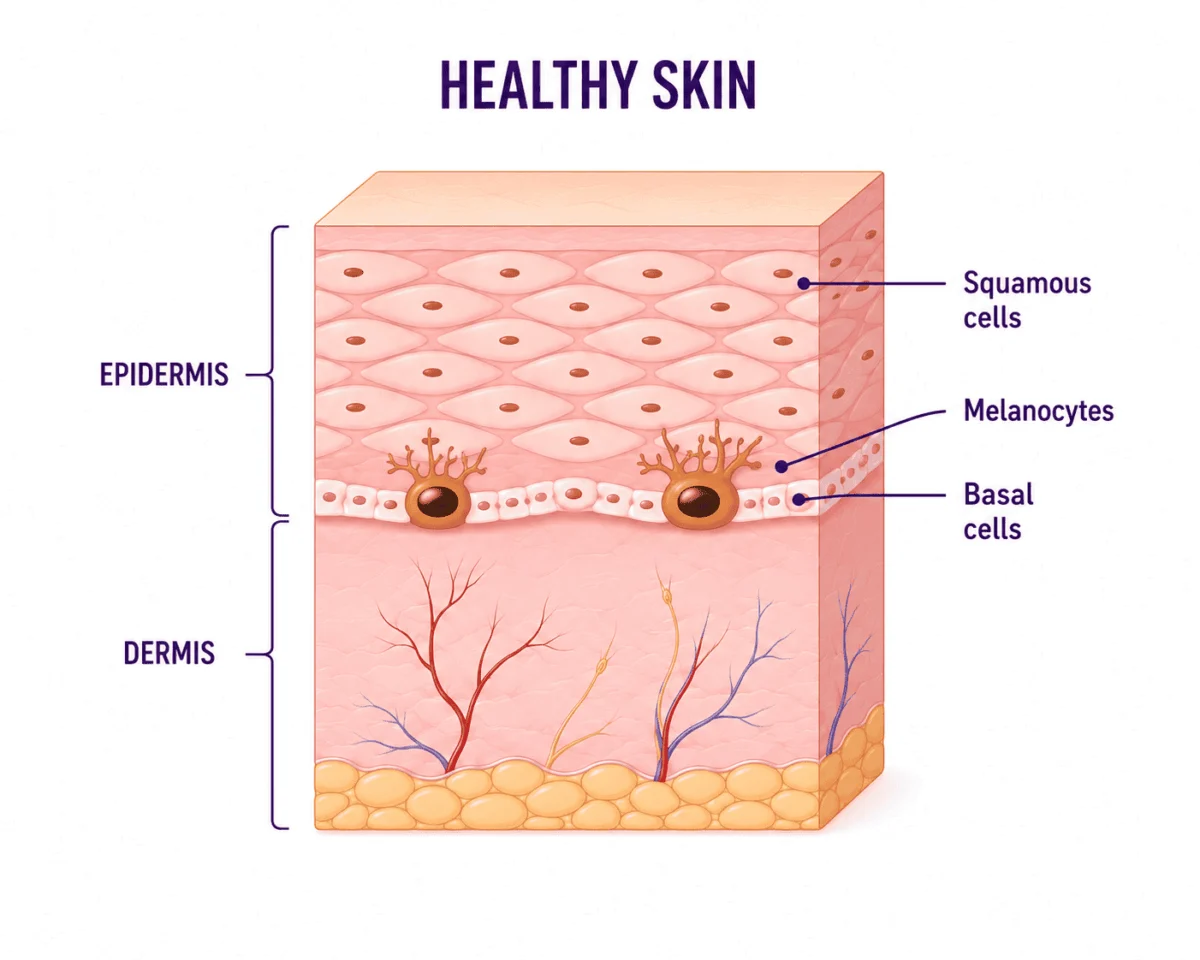
Your skin is the body’s largest organ, a sophisticated, living barrier that shields you from environmental hazards, regulates temperature, and protects internal systems. Yet, it is also one of the most vulnerable to damage from the environment—specifically, the invisible, pervasive threat of ultraviolet (UV) radiation.
July marks Ultraviolet (UV) Radiation Safety Awareness Month, a pivotal time for the Cancer Research Institute (CRI) to emphasize a dual mission: the prevention of skin cancer through education and the advancement of life-saving immunotherapies for those already facing a diagnosis. While the statistics regarding skin cancer can be daunting, the intersection of preventative lifestyle habits and groundbreaking medical science has created a new landscape of hope.
The Invisible Threat: Understanding UV Radiation
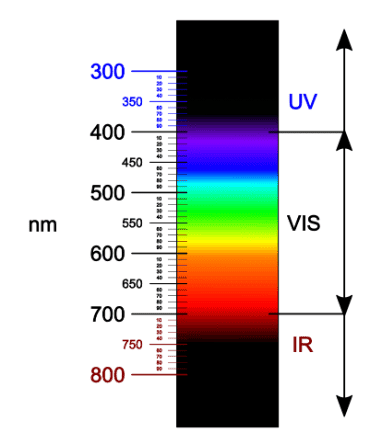
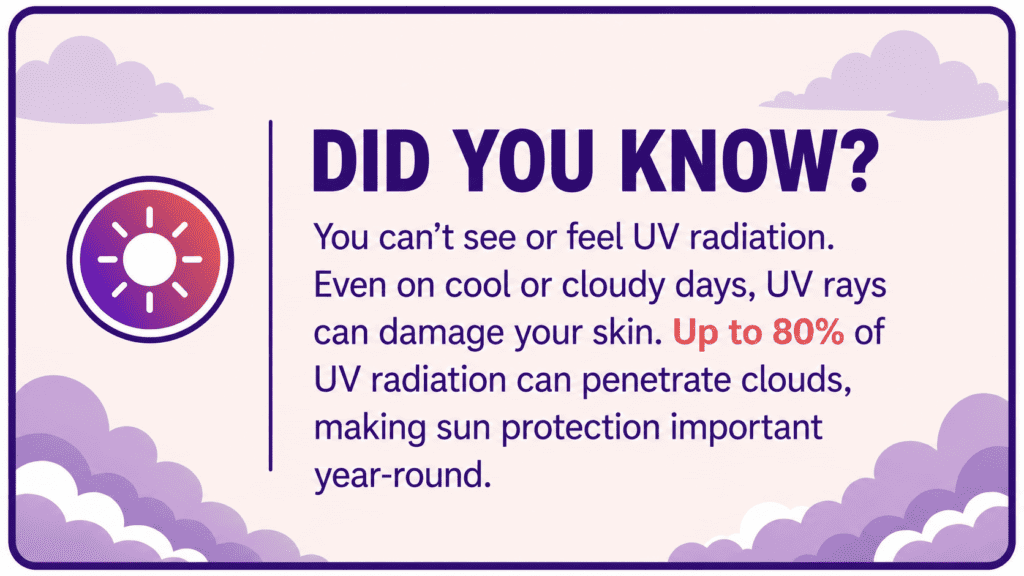
UV radiation is a form of non-ionizing radiation emitted by the sun and artificial sources, such as tanning beds. Falling between 100 and 400nm on the electromagnetic spectrum, these rays are invisible to the human eye but possess enough energy to cause significant biological damage.
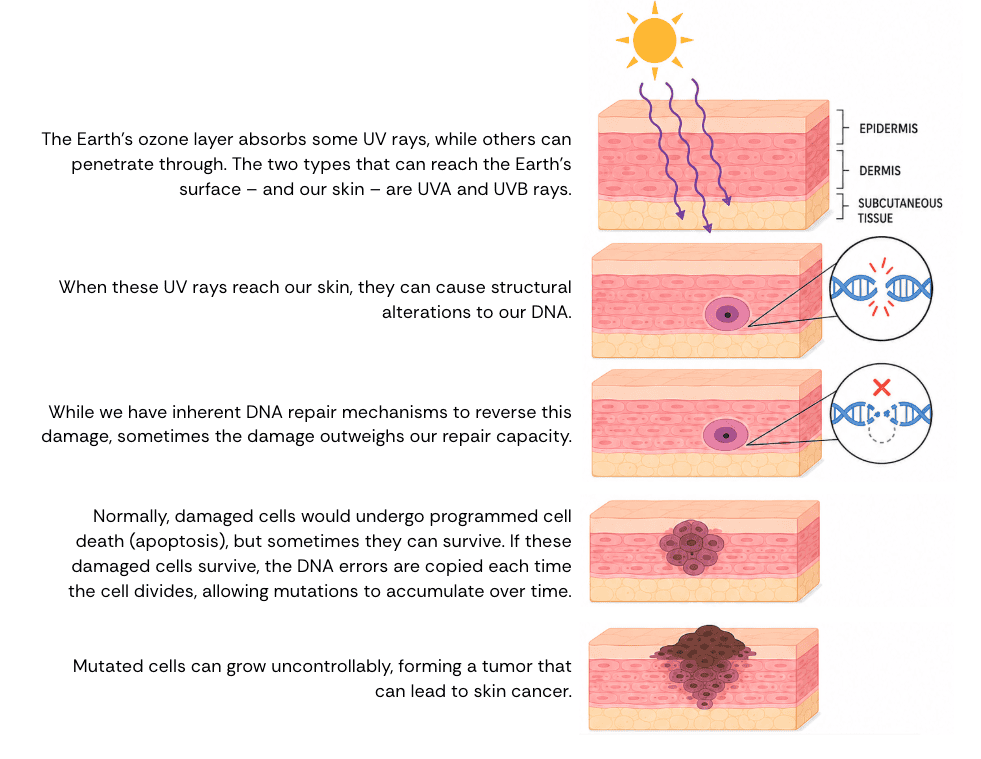
The relationship between UV radiation and skin cancer is essentially a story of cumulative DNA damage. When UV rays penetrate the skin, they disrupt the genetic integrity of skin cells. Over years of repeated, unprotected exposure, this damage accumulates, causing cells to mutate and eventually grow uncontrollably.
It is important to note that skin cancer is largely preventable. By integrating consistent protection—such as SPF 30+ sunscreen, protective clothing, and seeking shade during peak hours—individuals can dramatically reduce the likelihood of DNA damage. The "good news" is that the most common types of skin cancer are highly manageable when caught early and largely avoidable through diligent sun safety practices.
Chronology of a Medical Breakthrough: From Laboratory to Lifesaving Therapy
The journey of immunotherapy for skin cancer—specifically melanoma—is one of the most significant success stories in modern medicine.
The Foundational Years
For decades, advanced melanoma was considered a virtual death sentence, with limited treatment options and poor survival rates. The paradigm shifted through the foundational work of immunologists who sought to understand why the body’s immune system, which is designed to hunt down foreign invaders, often fails to recognize cancer cells.
The Allison Discovery
The turning point arrived through the research of James P. Allison, PhD, Director of CRI’s Scientific Advisory Council. Dr. Allison identified that tumors often deploy "brakes" on the immune system to disguise themselves. By developing Immune Checkpoint Inhibitors (ICIs), Dr. Allison created a way to "release the brakes," allowing the immune system to see the tumor and launch a lethal attack. For this revolutionary contribution, Dr. Allison was awarded the Nobel Prize in Physiology or Medicine in 2018.
The Human Impact: The Case of Sharon Belvin
The efficacy of this research is best captured through the story of Sharon Belvin. Diagnosed with Stage 4 melanoma at just 22 years old, Sharon was running out of conventional options. She enrolled in one of the earliest clinical trials for ICIs. Today, more than two decades later, Sharon is not only cancer-free but thriving. Her journey serves as a living testament to the power of basic research translating into clinical success.
The Architecture of Immunity: Why Some Respond and Others Don’t
Despite the transformative power of immunotherapy, the medical community faces a persistent challenge: between 30% and 50% of patients with advanced melanoma do not respond to currently available ICIs.
To address this, researchers are moving beyond a static view of the tumor environment. Dr. Katie Campbell, a former CRI Postdoctoral Fellow, is leading efforts to map "cellular neighborhoods" within tumors. By studying biopsies taken both before and during treatment, her team tracks the "immune system in motion."
The "Bike Race" Analogy
Dr. Campbell likens this research to observing a bike race. A static snapshot of a race before it begins offers little information about the outcome. However, by observing the race as it unfolds, researchers can determine which immune cells are leading the charge and which are lagging behind. This dynamic understanding allows scientists to make inferences about why certain patients thrive on immunotherapy while others do not.
The implication for the future is clear: smarter, earlier intervention. Instead of forcing patients to cycle through multiple, ineffective treatments—losing precious time and vitality—clinicians aim to identify the correct therapeutic path early in the diagnosis.
Supporting Data and Implications for Public Health
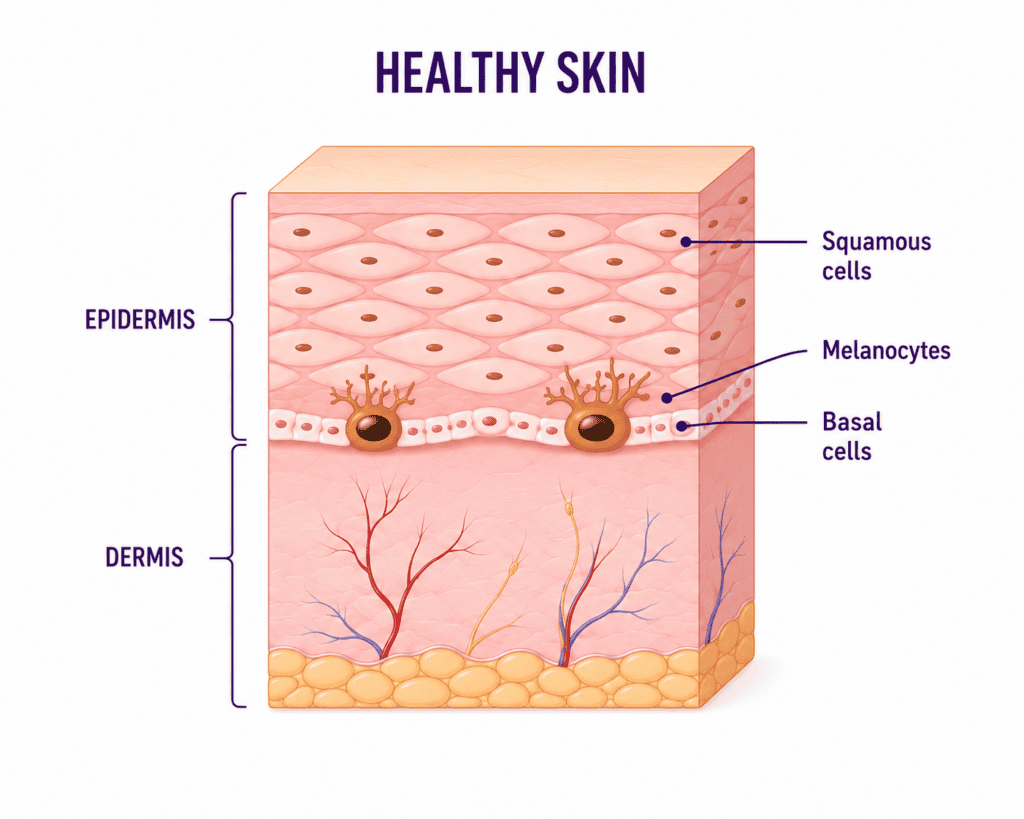
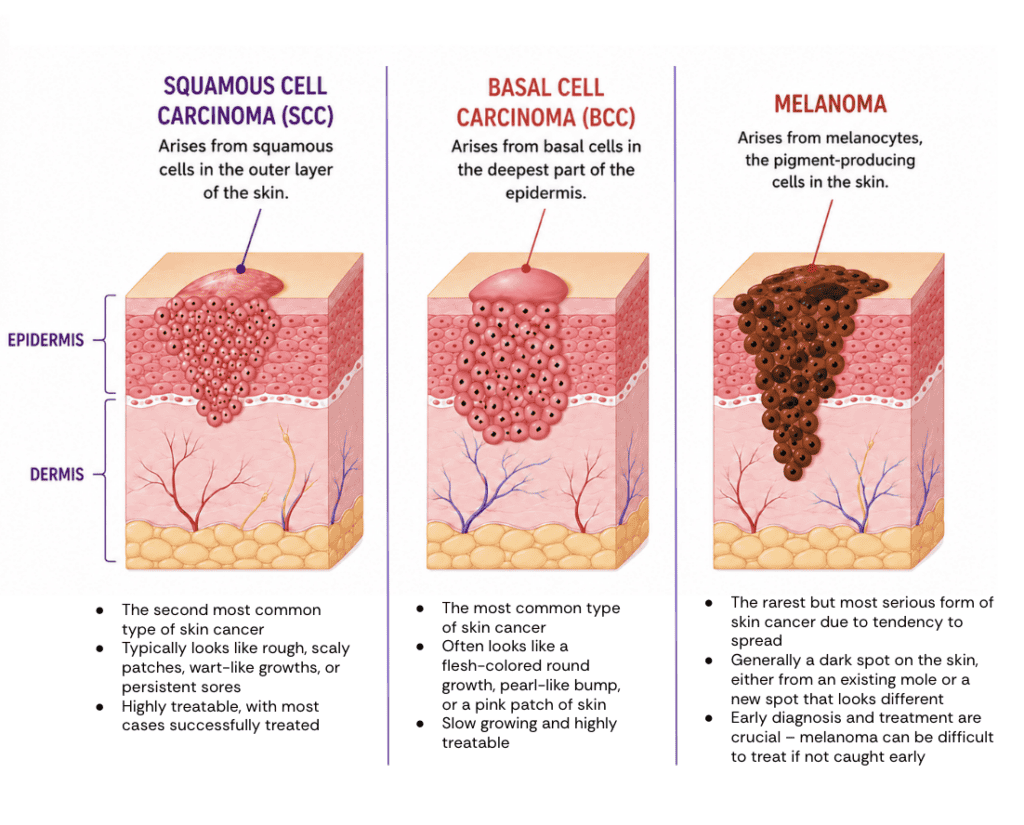
The prevalence of skin cancer remains a global health concern. Because skin cancer begins in different cell types—basal cells, squamous cells, and melanocytes—the clinical manifestation and severity vary. However, the underlying cause remains consistent: the interaction between genetics, environmental exposure, and the failure of immune surveillance.
The shift toward immunotherapy has moved the goalpost for oncologists. Where once the focus was on palliative care for metastatic cases, the focus is now on achieving "long-lasting responses." This shift has profound implications for patient quality of life and healthcare resource allocation. As we refine our ability to predict who will respond to therapy, we move toward a model of precision medicine that reduces the burden of treatment and improves survival outcomes.
Official Stance: The Role of the Cancer Research Institute
The Cancer Research Institute (CRI) maintains that the fight against skin cancer is won on two fronts: the beach and the laboratory.
- Prevention as the First Line of Defense: Public education remains the most cost-effective method of reducing the incidence of skin cancer. CRI encourages the public to treat UV radiation with the same caution one would treat any other environmental carcinogen.
- Continued Investment in Basic Science: The success of ICIs was not an overnight miracle; it was the result of decades of fundamental immunology research. The CRI emphasizes that sustained funding for research—even the "basic" science that may not have immediate applications—is essential for the next generation of breakthroughs.
- Clinical Trial Advocacy: Clinical trials are the bridge between a discovery in a petri dish and a treatment in a hospital room. Encouraging patient enrollment in trials is vital to gathering the data necessary to refine immunotherapies.
Looking Ahead: A Future Without Skin Cancer
The progress made in the last twenty years has been nothing short of miraculous for those with advanced disease. Yet, the mission remains unfinished. As we observe UV Radiation Safety Awareness Month, the call to action is two-fold.
For the general public, it is a reminder that skin health is in your hands. Simple habits—using high-SPF sunscreen, wearing protective clothing, and performing monthly skin checks—are not merely cosmetic; they are life-saving.
For the scientific community, the focus remains on the "30% to 50%." Through advanced imaging of cellular neighborhoods, genetic sequencing, and the continued study of the immune system’s mechanics, researchers are working to ensure that immunotherapy becomes a reliable, effective solution for every patient, not just some.
By marrying the prevention of tomorrow’s cancer with the treatment of today’s, we move closer to a world where skin cancer is no longer a source of fear, but a manageable condition. Every application of sunscreen and every donation to fundamental research is a step toward that reality.
As we continue to support the science behind these breakthroughs, we honor the legacy of those like Sharon Belvin and the researchers like Dr. James P. Allison, whose work has fundamentally changed the human experience of cancer. The path forward is built on the same foundation that has brought us this far: rigorous, evidence-based science and a commitment to the patient experience.