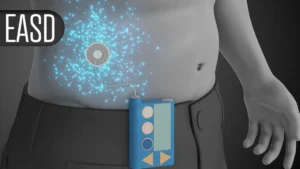












By Brandi Ball | May 29, 2018
For millions of people living with chronic back and leg pain, the daily experience is often characterized by a relentless, intrusive signal that dictates the boundaries of their existence. Traditional interventions, ranging from heavy pharmaceutical regimens to invasive surgical procedures, often offer incomplete relief or come with debilitating side effects. However, the landscape of interventional pain management has shifted significantly with the advent of HF10™, an advanced spinal cord stimulation (SCS) therapy that promises a paradigm shift in how we treat persistent pain.
Main Facts: The Science Behind the Silence
At its core, HF10™ is a neuromodulation therapy designed to interrupt the transmission of pain signals before they reach the brain. Unlike traditional SCS systems, which have been used for decades to manage chronic pain, HF10™ utilizes a proprietary high-frequency waveform—delivering electrical impulses at 10,000 Hz.
The fundamental distinction of this technology lies in its ability to provide therapeutic relief without the "paresthesia" that has historically defined spinal cord stimulation. Traditional systems rely on tonic stimulation, which creates a buzzing, tingling, or vibrating sensation—known as paresthesia—to mask the pain. For many patients, this sensation is almost as disruptive as the pain it is meant to treat. HF10™ is the first and only FDA-approved SCS therapy that operates "sub-perceptionally," meaning the patient feels absolutely nothing while the device is active. By calming the nerves that carry pain signals, it offers a more discreet and comfortable experience for the user.
Chronology: The Evolution of Neuromodulation
The journey to the approval and implementation of HF10™ represents the culmination of years of clinical research and technological iteration in the field of bioelectronic medicine.
- Early 2000s: The foundational research began in laboratory settings, focusing on how different frequencies of electrical stimulation affect the spinal cord’s dorsal horn. Researchers discovered that higher frequencies could inhibit pain signals more effectively without activating the dorsal column fibers that cause tingling.
- 2012-2014: Multi-center clinical trials commenced, comparing the high-frequency 10 kHz waveform against conventional low-frequency tonic stimulation. These trials were pivotal in establishing the efficacy of the new waveform.
- 2015: The U.S. Food and Drug Administration (FDA) granted premarket approval for the HF10™ therapy, marking a significant milestone in pain management technology.
- 2016-2018: Following FDA approval, the therapy saw rapid adoption across specialized pain management clinics in the United States. As clinical data matured, the medical community began to recognize HF10™ not just as an alternative, but as a preferred primary treatment option for patients suffering from refractory chronic back and leg pain.
Supporting Data: Evidence of Superiority
The efficacy of HF10™ is not merely anecdotal; it is rooted in rigorous clinical data. The primary study supporting this technology demonstrated that a significant percentage of patients achieved superior relief of both back and leg pain compared to those utilizing traditional SCS.
In a landmark comparative study, researchers found that patients treated with HF10™ reported significant improvements in their Oswestry Disability Index (ODI) scores—a standard metric for measuring the functional impact of back pain. Furthermore, the data indicated that the relief was durable. Unlike traditional stimulation, which often requires frequent adjustments as the body habituates to the signal, HF10™ maintained high levels of patient satisfaction at the 12-month and 24-month marks.
Key findings include:
- Superior Back Pain Relief: A greater proportion of patients achieved meaningful back pain reduction compared to traditional SCS.
- No Paresthesia: 100% of patients reported no tingling or buzzing sensations, allowing for an uninterrupted daily routine.
- Safety Profile: The procedure remains minimally invasive. Most patients undergo a trial period before the permanent device is implanted, ensuring that the technology is compatible with their specific neurological anatomy.
The Procedure: A Minimally Invasive Path to Relief
One of the most appealing aspects of HF10™ is its accessibility from a surgical perspective. The implantation process is designed to be quick and generally does not require a lengthy hospital stay.
The procedure is conducted in two phases:
- The Trial Phase: A temporary lead is placed in the epidural space, connected to an external stimulator. This allows the patient to test the efficacy of the therapy in their daily environment for several days.
- The Implantation: If the trial is successful—defined by a significant reduction in pain and improved quality of life—a permanent pulse generator is implanted under the skin, usually in the upper buttock or lower back area.
Because the procedure is minimally invasive, the recovery time is substantially shorter than traditional back surgeries, such as spinal fusions. This makes HF10™ a viable option for elderly patients or those who are considered high-risk candidates for major surgical interventions.
Official Responses and Clinical Perspectives
The medical community has greeted the advent of HF10™ with cautious optimism turned into widespread clinical acceptance. Leading pain specialists, including those at the Southwest Florida Pain Center (SWFPC), have highlighted the technology as a turning point in the "opioid crisis" era.
"By providing a non-pharmacological, non-addictive, and highly effective way to manage chronic pain, we are fundamentally changing the patient journey," noted one practitioner in the field. "We are moving away from masking pain with systemic medication and moving toward precision, localized neuromodulation."
The consensus among clinicians is that the primary benefit of HF10™ is the restoration of function. When patients are no longer distracted by constant paresthesia or the side effects of pain medication, they are more likely to engage in physical therapy, return to work, and participate in social activities—all of which are critical components of long-term pain management.
Implications: The Future of Pain Management
The success of HF10™ signals a broader shift in healthcare: the prioritization of bioelectronic devices over chemical interventions. As we look to the future, the implications are profound.
1. Reducing Dependency on Opioids
With the ongoing public health challenge of opioid misuse, the availability of high-efficacy alternatives like HF10™ provides a critical tool for clinicians. By addressing the root of the pain signal through nerve modulation, patients often reduce or eliminate their need for analgesic medications.
2. Economic Impact
While the initial cost of an SCS implant is higher than conventional therapies, the long-term economic impact is favorable. By reducing the need for repeat surgeries, emergency room visits, and pharmaceutical prescriptions, HF10™ potentially lowers the total cost of care for chronic pain patients over a five-to-ten-year horizon.
3. Patient Autonomy and Quality of Life
Perhaps the most significant implication is the return of agency to the patient. Chronic pain is notoriously isolating. Technologies that remove the "buzz" and allow for natural movement enable patients to reclaim their autonomy. The ability to drive, sleep, and exercise without the interference of tingling sensations is not just a clinical success—it is a human one.
4. Continued Technological Iteration
The development of HF10™ is likely just the beginning. As engineers and medical researchers continue to refine the precision of these waveforms, we may see "smart" devices that adjust stimulation in real-time based on the patient’s movement or activity levels. This trajectory points toward a future where chronic pain is managed with the same technological sophistication as heart rhythm disorders or diabetes.
Conclusion
HF10™ represents more than just a piece of medical hardware; it is a testament to the progress of modern science in solving the complex puzzle of human pain. By successfully decoupling pain relief from the uncomfortable side effects of paresthesia, it has set a new gold standard in the field of spinal cord stimulation.
For those suffering from persistent back and leg pain, the message is clear: the era of choosing between pain and side effects is ending. Through advanced neuromodulation, patients now have a third path—one that is minimally invasive, highly effective, and designed to restore the quiet, pain-free functionality of a healthy life. As always, patients are encouraged to consult with their healthcare providers to determine if they are candidates for this innovative therapy and to watch the available educational videos to better understand the nuances of the HF10™ experience.