










For decades, the American dietary landscape was dominated by a singular, paralyzing fear: fat. Guided by nutrition guidelines that prioritized low-fat labels and demonized lipid-rich foods, the public shifted toward a diet heavy in refined carbohydrates and processed sugars. The result, however, was not the promised health utopia. Instead, the United States saw an unprecedented surge in metabolic syndrome, Type 2 diabetes, and cardiovascular disease.
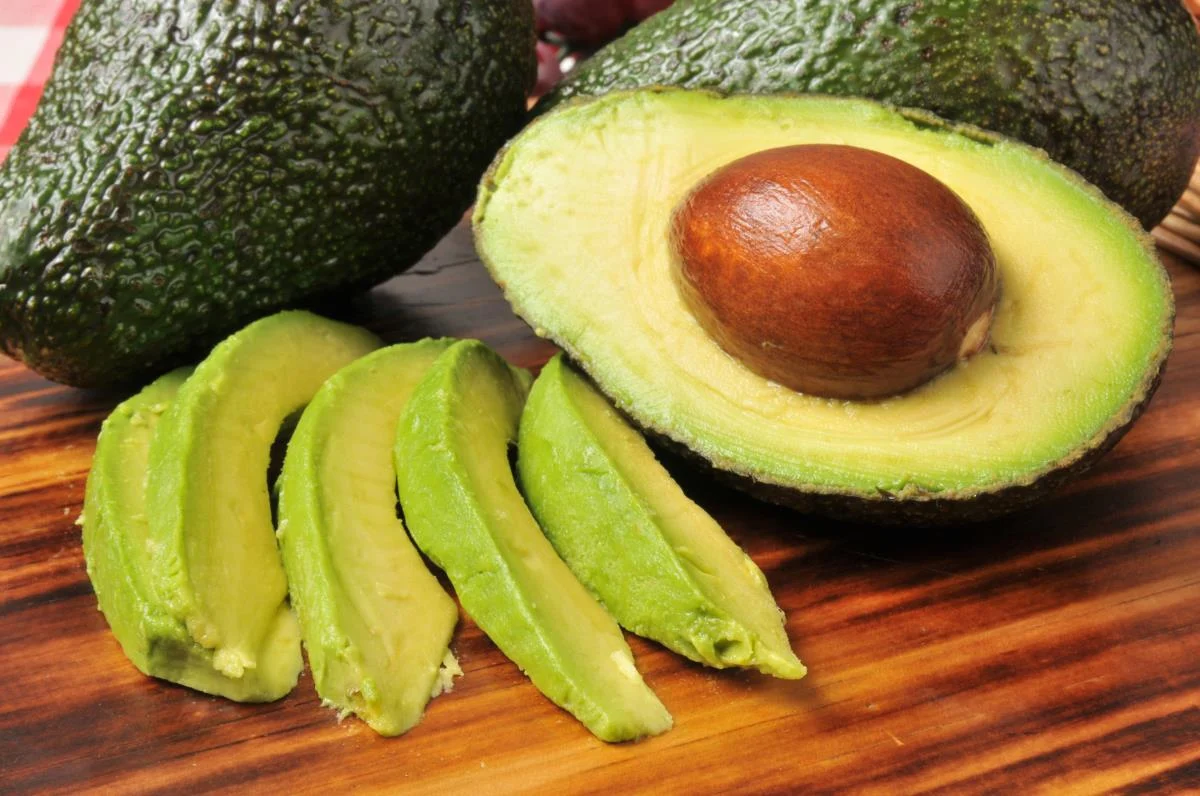
Today, a radical nutritional pivot is underway. As researchers move away from the reductive "calories in, calories out" model, they are discovering that the quality of our food—and the synergy of its nutrients—matters far more than simple caloric arithmetic. At the forefront of this scientific shift is an unlikely hero: the avocado.
The Paradigm Shift: From Fat-Phobia to Metabolic Health
The historical demonization of fat in the 1990s led to the proliferation of "low-fat" processed snacks that were often loaded with sugar to compensate for flavor loss. This mass substitution experiment failed, as evidenced by current data showing that fewer than 12% of Americans are considered metabolically healthy.
In response, nutritional science has returned to the study of whole foods. The "Habitual Avocado Trial," a recent multicenter, randomized study published in Nutrition, Metabolism & Cardiovascular Diseases, serves as a cornerstone of this movement. The study challenged 1,000 participants with elevated waist circumferences to incorporate one whole avocado into their daily diet for six months.
The results were transformative. Despite the fruit containing between 200 and 300 calories, participants experienced no weight gain and, crucially, no increase in visceral fat—the deep-seated abdominal fat that is a primary driver of heart disease and systemic inflammation. Instead, participants showed improved overall diet quality scores, suggesting that the avocado acts as a "gateway" food, helping to crowd out less nutritious, highly processed options.
A Chronology of Discovery
The scientific journey toward understanding the avocado did not happen overnight. It is the culmination of decades of research into lipid profiles and heart health.
- 1990s–2000s: The era of fat-phobia, where dietary fat was broadly vilified, leading to a rise in refined carbohydrate consumption.
- 2010: A surge in clinical research began to differentiate between saturated and unsaturated fats, with studies consistently showing that monounsaturated fats—the primary fat found in avocados—actually support cardiovascular function.
- 2022: A landmark study published in the Journal of the American Heart Association provided the strongest evidence yet for substitution. It demonstrated that replacing just a quarter of a medium avocado for butter, margarine, cheese, or processed meats could lower the risk of cardiovascular disease by up to 22%.
- 2023–2024: Recent clinical trials, including the Habitual Avocado Trial, shifted the focus from isolated nutrient markers to systemic metabolic health, confirming that avocados assist in blood sugar regulation and visceral fat management.
The Science of Synergy: Why Avocados Defy Conventional Wisdom
To understand why the avocado succeeds where other calorie-dense foods fail, one must look at its unique nutrient architecture. Avocados are effectively the only fruit that is primarily composed of unsaturated fats. Over 70% of their lipid content is monounsaturated fat—the same heart-healthy component that has made the Mediterranean diet the gold standard for longevity.
However, the magic lies in "food synergy." This concept posits that the health benefits of a food are greater than the sum of its parts. Avocados are rich in over 20 vitamins and minerals, including potassium, vitamin E, B vitamins, and manganese. More importantly, their fat content acts as a biological delivery vehicle.
When consumed alongside other nutrient-dense foods—such as kale, spinach, or carrots—the healthy fats in the avocado break down the tough cellulose walls of plant cells. This process facilitates the absorption of fat-soluble vitamins (A, D, E, and K) and carotenoids, which are otherwise often passed through the digestive system unabsorbed. Research shows that adding avocado to a salad can increase the absorption of these beneficial antioxidants by up to 15 times.
The Fiber Deficit: A Quiet Health Crisis
While the nation fixates on protein, a much quieter, more dangerous deficiency is unfolding: a lack of dietary fiber. Only 6% of the American population meets the recommended daily intake of 25 to 35 grams of fiber. This is not merely an issue of digestive regularity; fiber is a vital tool for blood sugar management, satiety, and LDL cholesterol reduction.
The avocado is a formidable weapon in the fight against the fiber deficit. A single whole avocado provides approximately 13.5 grams of fiber—nearly half of the daily requirement for an average adult. By integrating this into daily meals—such as spreading it on whole-grain toast or incorporating it into vegetable-heavy bowls—individuals can achieve their fiber goals without the need for synthetic supplements. This, combined with the fruit’s creamy texture, provides a "satisfaction factor" that helps curb cravings for processed, high-glycemic snacks.
Official Responses and Clinical Implications
Leading health organizations have begun to integrate these findings into their guidelines. The British Heart Foundation (BHF) has explicitly noted that consuming two or more servings of avocado per week—with one serving being half a medium fruit—can reduce the risk of cardiovascular disease by 16%.
Dr. Penny Kris-Etherton, a prominent cardiovascular nutrition researcher, has emphasized that the focus should be on "what we add, rather than what we subtract." This mantra is central to the implications of the Habitual Avocado Trial. The participants in the study who saw the most success did not "diet" in the traditional, restrictive sense. Instead, they used the avocado as a culinary tool, replacing unhealthy fats in pesto, muffins, and marinades.
This resulted in a 14-point drop in the participants’ dietary glycemic load. For a population currently struggling with Type 2 diabetes and insulin resistance, this is a significant finding. By slowing the rate of digestion and tempering the glucose spikes associated with carbohydrate-heavy meals, the avocado helps stabilize metabolic health throughout the day.
A New Roadmap for Nutrition
What does this mean for the average consumer? The evidence points to three fundamental principles that can redefine how we approach our daily nutrition:
- Prioritize Addition: Stop viewing food through a lens of restriction. Instead of asking what to cut out, identify high-nutrient, high-fiber foods that you genuinely enjoy and build your meals around them.
- Think in Patterns: Nutrition is not about a single "superfood." It is about the cumulative effect of eating patterns. The avocado works best when it acts as a catalyst for other vegetables and fiber-rich grains.
- Trust the Practical Science: The research on avocados is built on real-world, long-term human trials. It validates the idea that we can achieve measurable health improvements without sacrificing the joy of eating.
The avocado stands as a rare, evidence-based solution in a crowded field of conflicting nutritional advice. It provides a blueprint for a sustainable approach to health: one that balances satiety, nutrient density, and metabolic stability. By focusing on whole-food solutions that leverage the body’s natural ability to absorb and utilize nutrients, we can finally move past the outdated, damaging narratives of the past and toward a future of holistic, informed health.
Sources and Further Reading
- Nutrition, Metabolism & Cardiovascular Diseases: The Habitual Avocado Trial and its impact on visceral adiposity.
- Journal of the American Heart Association: The cardiovascular benefits of replacing processed fats with avocado-derived monounsaturated fats.
- British Heart Foundation (BHF): Expert guidance on heart-healthy dietary patterns and the role of fiber.
- LoveOneToday.com: Clinical research archives regarding the impact of daily avocado consumption on diet quality.
- MindBodyGreen: Analysis of metabolic health trends and the efficacy of plant-based fat sources in blood sugar management.