









Contributing Author: Blood Cancer United
As medicine continues to push the boundaries of what is possible in oncology, the definition of "success" is shifting. It is no longer enough to simply achieve remission; for a growing population of cancer survivors, the goal is to reclaim a high quality of life, including the biological ability to build a family. September, recognized as Blood Cancer Awareness Month, serves as a poignant reminder that as survivors live longer, we must address the long-term, life-altering questions that follow treatment.
Among the most pressing of these questions is the impact of revolutionary treatments, specifically chimeric antigen receptor (CAR) T-cell therapy, on reproductive health. A pioneering, collaborative research effort led by Blood Cancer United, Moffitt Cancer Center, and University of Florida Health is now working to replace speculation with clinical data, aiming to understand how this breakthrough immunotherapy influences fertility.
The Evolution of CAR T-Cell Therapy: A Medical Breakthrough
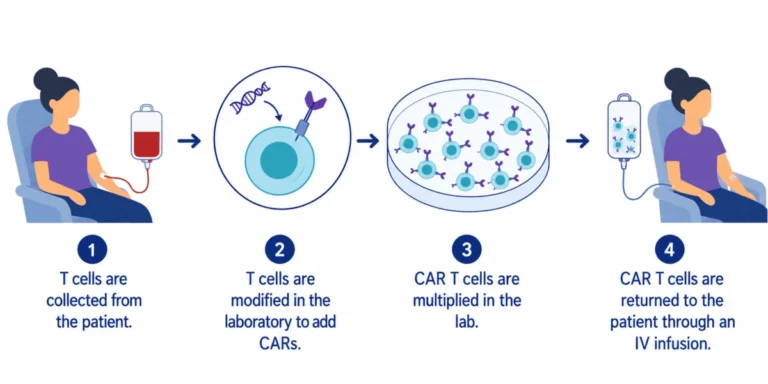
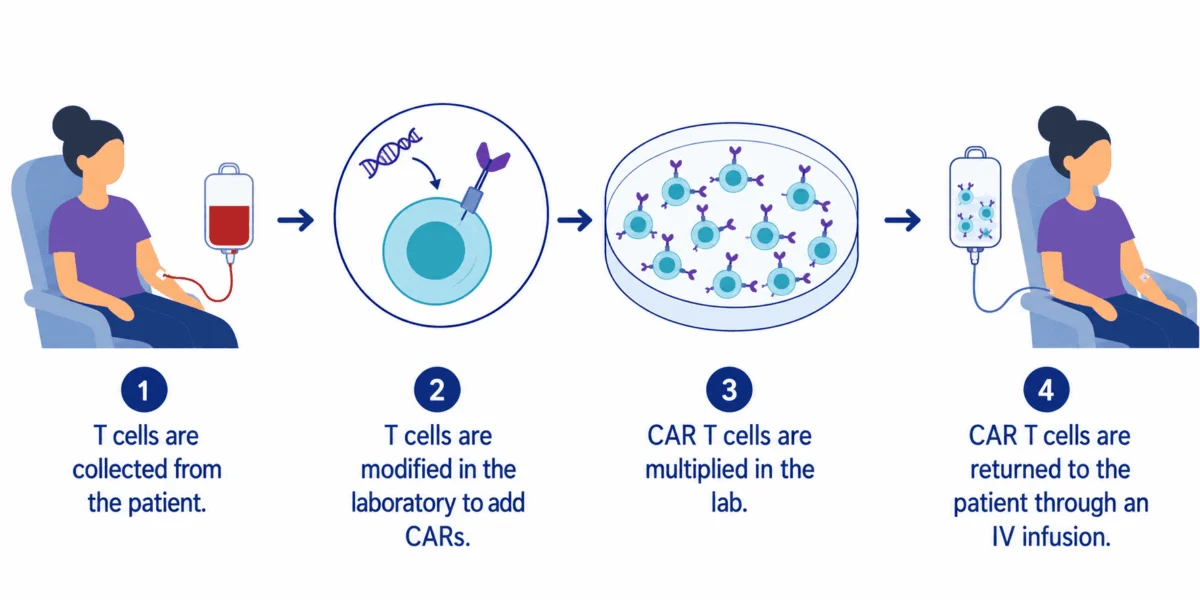
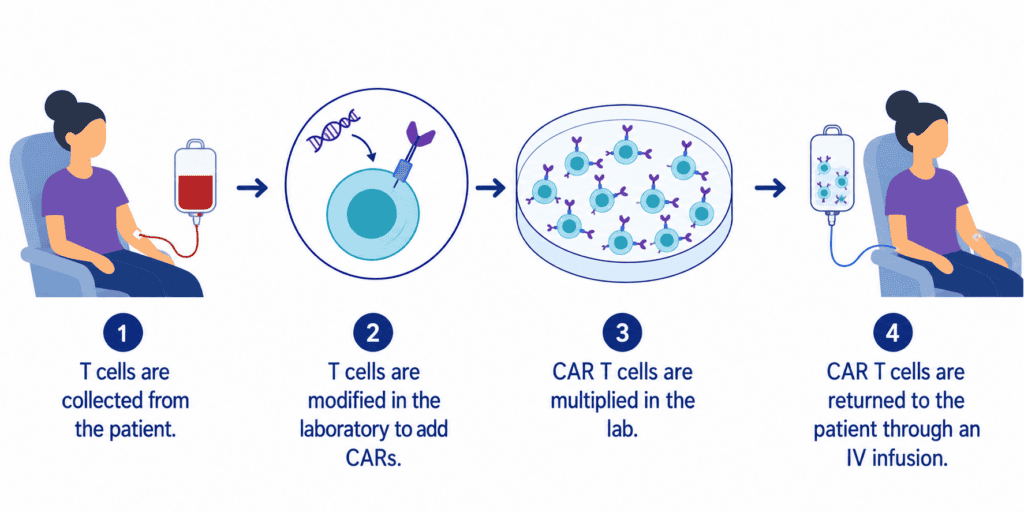
To understand the scope of this research, one must first appreciate the mechanism of the therapy itself. CAR T-cell therapy is a sophisticated form of immunotherapy that leverages the body’s own defense system to combat malignancy. The process involves harvesting a patient’s T cells—the "soldiers" of the immune system—and genetically engineering them in a laboratory setting.
By introducing a chimeric antigen receptor (CAR), scientists equip these T cells with a molecular "GPS" that allows them to identify and bind to specific proteins on the surface of cancer cells. Once the modified cells are reinfused into the patient, they multiply and launch a targeted assault on the cancer.
This technology has roots in decades of fundamental research. A landmark moment occurred in 2010 when Dr. Carl June, a prominent Scientific Advisory Member of the Cancer Research Institute (CRI), spearheaded trials that achieved complete remission in patients with refractory leukemia. This success catalyzed the field, leading to the FDA’s inaugural approval of a CAR T-cell therapy in 2017. Today, this modality is an essential component of the treatment landscape for various leukemias, lymphomas, and multiple myeloma.
The "Fertility Gap": Why Data Has Been Elusive
Despite the transformative nature of CAR T-cell therapy, the medical community currently lacks a clear picture of its long-term reproductive impact. This "fertility gap" is not the result of negligence, but rather the historical reality of how these treatments are administered.
Historically, CAR T-cell therapy was reserved as a "last resort" for patients with aggressive, relapsed, or refractory blood cancers. These patients had often endured years of exhausting treatment protocols, including intensive chemotherapy, radiation, and stem cell transplantation—all of which are known to have significant, often permanent, impacts on fertility.
Furthermore, the standard protocol for CAR T-cell therapy includes "lymphodepletion," a brief, intense course of chemotherapy administered immediately before the engineered cells are infused to ensure they have the space and resources to thrive. Because of this layering of treatments, it has been nearly impossible for clinicians to isolate the specific impact of the CAR T-cell therapy itself from the cumulative "toxicity burden" of prior cancer treatments. Determining whether a fertility issue stems from the CAR T cells, the conditioning chemotherapy, or the underlying disease itself remains a complex clinical challenge.
Preliminary Findings: A Glimmer of Hope
The collaborative study launched by Blood Cancer United and its partners represents the first systematic attempt to collect direct, patient-reported outcomes regarding post-treatment fertility.
Preliminary data from 106 respondents—a cohort that provides a critical, albeit initial, window into survivorship—has yielded encouraging observations. Out of the respondents, 32 individuals expressed a desire to have children following their therapy, and 12 attempted to conceive. Of those who attempted, six reported successful pregnancies. These included four female survivors and two male survivors whose partners conceived.
Crucially, none of these six successful pregnancies required the use of assisted reproductive technology (ART). While these numbers are modest and do not represent a definitive clinical consensus, they offer a vital piece of evidence: successful conception and live births are possible following CAR T-cell therapy.
Expanding the Lens: Insights from Autoimmune Research
Interestingly, the most promising data regarding CAR T-cell safety in pregnancy may currently be emerging from outside the field of oncology. Researchers are increasingly applying CAR T-cell therapy to treat severe autoimmune conditions, such as systemic lupus erythematosus.
Because these patients typically have different disease profiles and less extensive exposure to the "scorched-earth" chemotherapy protocols common in blood cancer treatment, they provide a cleaner model for observing the potential effects of CAR T-cells on the reproductive system. A 2026 report documented 14 pregnancies across 13 patients who had undergone CAR T-cell therapy for autoimmune disease, resulting in eight healthy live births.
While researchers are cautious about extrapolating these results directly to the cancer population, the findings suggest that the CAR T-cell mechanism itself may not be inherently destructive to reproductive organs. This provides a "proof of concept" that is helping to frame future hypotheses in oncology research.
The Path Forward: Implications for Patient Care
The ultimate objective of this research is to move beyond general clinical assumptions and provide patients with evidence-based guidance. Currently, the lack of data forces clinicians to be vague when discussing future family-building plans, which can lead to unnecessary anxiety or the missed opportunity to pursue fertility preservation measures, such as egg or sperm banking, prior to the start of treatment.
If the study can successfully parse out the risks associated with specific CAR T-cell protocols, it will enable a new standard of care: "Fertility-Informed Survivorship." This would allow oncologists to have transparent, nuanced conversations with younger patients about the risks of treatment versus the preservation of their future.
How You Can Contribute
The "CAR T-Cell Therapy and Fertility Survey" is currently accepting participants. Researchers are continuing to aggregate data, looking not only at patient self-reports but also at longitudinal laboratory markers of fertility.
By participating, survivors contribute to a growing body of evidence that will one day help a future patient make an informed, confident decision about their treatment path. Participation is open to any adult aged 18 or older who has received CAR T-cell therapy for a blood cancer.
Conclusion
The transition from "survival" to "thriving" is the final frontier of cancer care. As we celebrate the technological marvels of immunotherapy, we must ensure that the quality of life we are fighting for includes the fundamental human experience of parenthood. The ongoing collaboration between researchers and patients is not just gathering data—it is restoring a sense of agency to those who have fought the hardest battles of their lives.
For many, this research represents more than just a medical inquiry; it is a signal that the future holds not just longevity, but the possibility of a legacy.
Summary of Key Data Sources
- Transplant & Cellular Therapy Meetings (2026): Presentation of survey findings on reproductive outcomes in post-CAR T-cell patients.
- The New England Journal of Medicine (2026): Clinical reports on pregnancy outcomes in patients treated with immunotherapy for autoimmune conditions.
- Transplant Cell Therapy (2024): Foundational review on the potential impact of pediatric immunotherapy on fertility and the urgent need for standardized guidance.
- FDA Database: Official registry of approved cellular and gene therapies, providing the framework for identifying eligible treatment cohorts.
Disclaimer: This article is for informational purposes only. The Cancer Research Institute (CRI) and associated organizations do not endorse or recommend specific study participation. Potential participants should consult with their primary oncology team before engaging in research studies.