





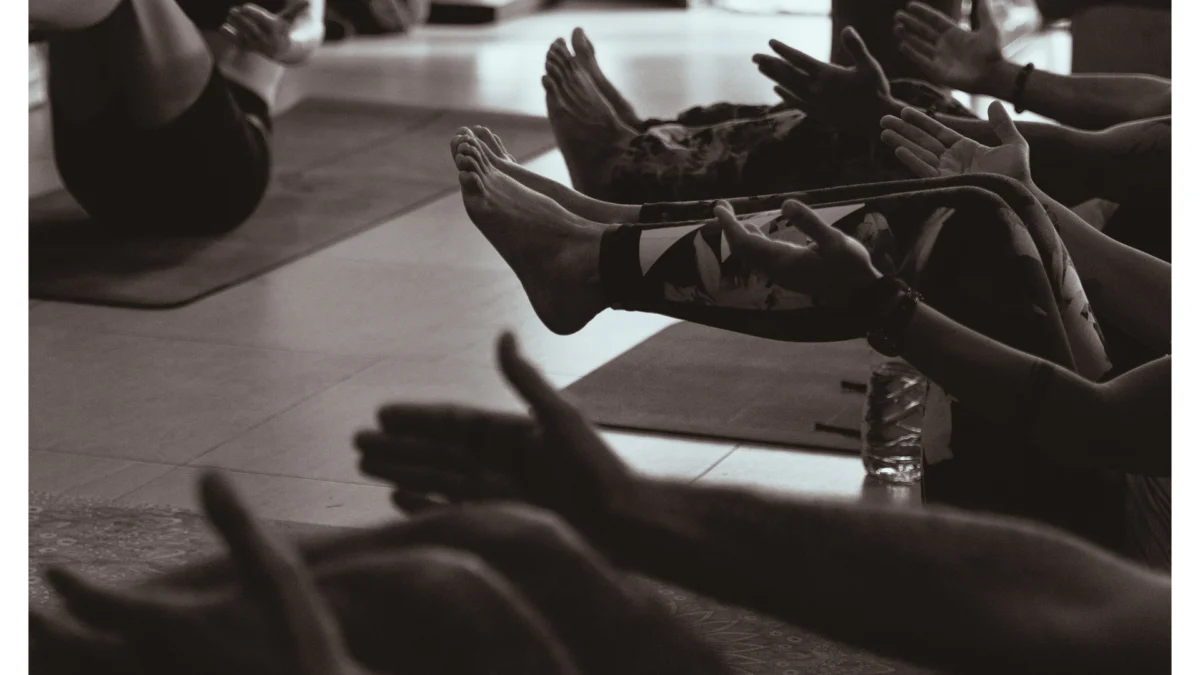
In the modern yoga studio, the phrase “do what feels good” has become a ubiquitous mantra. It is a hallmark of inclusive, body-positive teaching—a way to dismantle the rigid, perfectionist standards of the past and replace them with a philosophy of radical self-acceptance. But as the yoga world matures, a growing number of instructors are beginning to ask a provocative question: Are we being too accommodating?
For many teachers, this cue was designed to empower students, offering them the agency to modify their practice to suit their unique anatomy. However, a recent shift in pedagogical reflection suggests that this well-intentioned shorthand may be inadvertently hindering student progress, masking a lack of preparation, and depriving practitioners of the very instruction they seek when they walk through the studio doors.
The Evolution of a Well-Intentioned Cue
For years, the professional yoga community has trended toward autonomy. The pedagogical shift away from "correct" alignment and toward "felt experience" was a necessary response to the rigid, and sometimes harmful, teaching styles of the late 20th century. By encouraging students to honor their bodies, teachers sought to make the practice accessible to everyone, regardless of age, injury history, or physical ability.
The Personal Turning Point
The realization that this cue might have a dark side often comes from personal injury. Many teachers who advocate for "feeling good" find that their own recovery processes reveal a paradox: what feels comfortable is not always what is physiologically beneficial.
For an instructor navigating a back injury, for example, deep stretching in familiar shapes may provide a temporary, pleasant sensation. Yet, this "feel-good" approach often bypasses the necessary, often difficult, work of strengthening the core and glutes—the very stability required to support a healing spine. When teachers rely on the comfort of the familiar, they may be choosing the path of least resistance rather than the path of healing.
Chronology of a Teaching Crisis
The reliance on "do what feels good" has accelerated alongside the rise of "vibe-based" yoga classes. The trajectory of this shift can be viewed in three distinct phases:
- The Inclusivity Era (2010–2018): As yoga became mainstream, teachers prioritized creating safe spaces. The cue was introduced as a tool to prevent injury and discourage students from pushing into painful ranges of motion. It was widely lauded as a breakthrough in student-centered learning.
- The Autopilot Phase (2019–2023): As class sizes grew and teacher training programs became more compressed, the cue evolved from a thoughtful option into a linguistic crutch. For many, it became a way to avoid the intellectual labor of designing nuanced sequences or addressing the varied needs of a diverse room.
- The Pedagogical Re-evaluation (2024–Present): Teachers are now recognizing that over-reliance on this phrase creates a vacuum of information. Instead of being empowered, students are often left wondering what they are supposed to be feeling, or worse, they remain stuck in stagnant movement patterns because they lack the expert guidance to explore more challenging, transformative shapes.
Supporting Data: The Anatomy of Effective Cueing
The debate over "feel-good" versus "instructional" cueing touches on the fundamental principles of motor learning and physical therapy. While there is no singular study that quantifies the "effectiveness" of a verbal cue, movement science suggests that external cues—those that focus on the goal or the environment—often lead to more efficient motor patterns than internal, subjective cues like "do what feels good."
- The Clarity Deficit: When a teacher says, "move however feels good," they are providing no physiological objective. Without a target (e.g., "engage your transverse abdominis to support your lower back"), the student is likely to rely on their existing, potentially compensatory movement patterns.
- The Decision Fatigue Factor: Research in cognitive psychology shows that providing too much autonomy without structure can lead to decision fatigue. Students often pay for a class to be guided, not to be tasked with the mental labor of choreographing their own practice.
- The Inclusivity Paradox: True inclusivity is not about giving everyone the same vague instruction; it is about providing a menu of specific, accessible variations that meet different bodies where they are.
Expert Perspectives and Industry Response
The yoga industry is currently experiencing a quiet but significant pushback against "vague" teaching. Leading educators in the fields of biomechanics and yoga therapy are calling for a return to "articulate teaching."
"The goal of a yoga class is to provide a container for transformation," notes one veteran instructor. "If the teacher abdicates their role as the guide, the container collapses. Students are not just looking for a space to move; they are looking for a map."
Industry leaders suggest that the shift is not about abandoning the "feel good" philosophy, but rather about contextualizing it. The consensus among seasoned practitioners is that "do what feels good" is a valuable concluding sentiment, but a poor foundation. It should serve as a permission structure that follows explicit, safe, and anatomically informed instruction—not a substitute for it.
Implications for the Future of Yoga
The implications of this shift are profound for both teachers and studio owners. As the industry grapples with the need for higher standards, the definition of a "good teacher" is being redefined.
1. The Death of the "Lazy" Sequence
Teachers are being challenged to practice what they preach. This means moving beyond memorized sequences and spending more time feeling the poses themselves. A teacher who understands the nuance of a transition can offer three distinct levels of intensity, ensuring that everyone in the room is challenged appropriately.
2. The Return to Observation
The rise of the "feel-good" cue was partly a byproduct of teachers spending less time observing students and more time performing at the front of the room. Moving back to manual, verbal, and visual adjustments requires the teacher to be physically present and actively monitoring the room.
3. Redefining Autonomy
True autonomy does not mean being left to one’s own devices. It means having the knowledge to make informed decisions. By offering specific instructions—such as, "if you feel pressure in your knee, try this variation instead"—the teacher provides the student with the tools to take ownership of their body. They aren’t just following; they are learning.
Conclusion: A Middle Ground for the Mat
The lesson here is not that we should stop being kind or inclusive. Rather, it is an invitation for yoga teachers to reclaim their authority as facilitators of growth.
"Do what feels good" has its place—it is a beautiful reminder that our practice should be sustainable and kind to our nervous systems. But when it becomes the only instruction in the room, it risks becoming a void where real, physical progress goes to die. By integrating specific, intentional guidance with the permission to adapt, teachers can offer something much more valuable than a "feel-good" experience: they can offer a path toward lasting strength, resilience, and true bodily autonomy.
The most transformative yoga practice isn’t always the one that feels the best in the moment; it is the one that provides the clarity and the challenge to grow, one deliberate movement at a time. The future of yoga teaching lies in the balance between the precision of instruction and the freedom of choice. It is time to stop defaulting to the easy, and start teaching with the intent that our students truly deserve.