







Published June 4, 2026
For decades, the image of yoga in Western culture has been dominated by high-intensity fitness trends: heated rooms, sweat-drenched mats, and complex, acrobatic poses. However, a groundbreaking longitudinal analysis from the University of Rochester Medical Center (URMC) is shifting that narrative, repositioning yoga not as a fitness fad, but as a critical, evidence-based clinical intervention for the millions of Americans navigating the aftermath of cancer treatment.
While yoga has long been touted for its general wellness benefits, this latest research confirms that a specific, gentle protocol significantly mitigates the persistent, debilitating side effects that plague cancer survivors long after their final round of chemotherapy or radiation. By addressing the interconnected web of insomnia, chronic fatigue, and emotional distress, researchers are establishing a new standard of "precision lifestyle medicine" that prioritizes patient quality of life.
The Silent Crisis: Sleep and Cancer Survivorship
The statistics surrounding post-cancer recovery are sobering. According to conservative estimates, more than 50 percent of cancer survivors struggle with sleep, a rate significantly higher than the approximately 30 percent of the general U.S. population reporting similar issues. For the survivor, insomnia is rarely an isolated symptom; it is often a symptom of a larger, systemic breakdown.
"In some instances, these side effects resolve on their own," explains Dr. Karen Mustian, PhD, MPH, the principal investigator of the research and Associate Director for Population Science at the Wilmot Cancer Institute. "But a considerable amount of the time, they don’t."
The complexity of the issue lies in the limitations of traditional interventions. Pharmaceuticals, while often the first line of defense for insomnia, frequently present the risk of negative drug interactions for patients already managing complex medication regimens. Furthermore, traditional "lifestyle" advice—such as vigorous exercise—can be counterproductive for survivors suffering from treatment-induced fatigue. When a patient is already operating on a limited energy reserve, an intense workout can exacerbate exhaustion rather than alleviate it.
Chronology of a Research Breakthrough
The journey toward this discovery began in the early 2000s, long before the proliferation of wellness apps and YouTube yoga tutorials. Dr. Mustian and her team set out to study the efficacy of a specialized "yoga intervention" designed specifically for the oncology population.
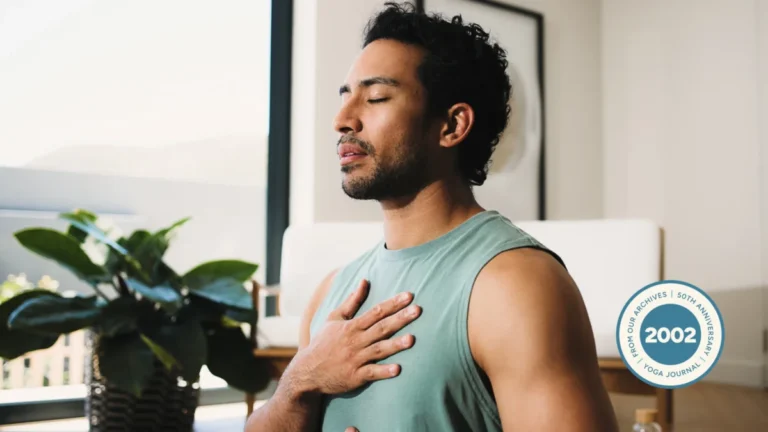
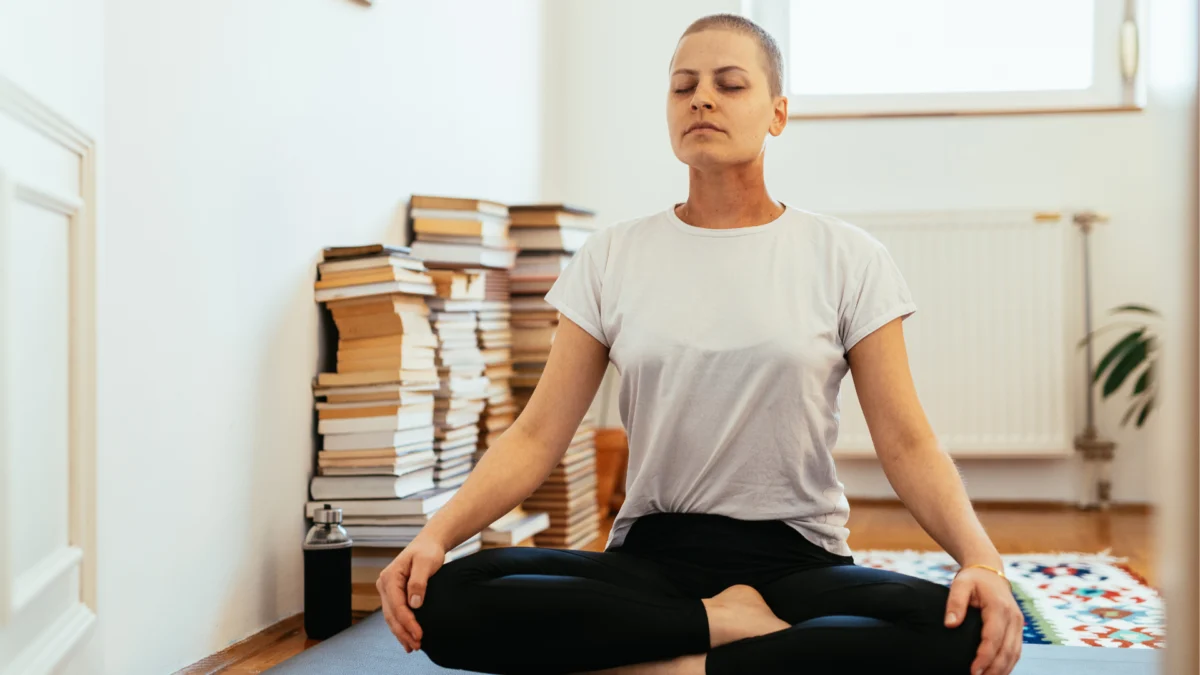
The primary study, which involved 410 women who had completed cancer treatment, was rooted in a structured four-week program consisting of three sessions per week. Unlike general classes, this protocol was meticulously crafted to integrate gentle hatha movements, restorative poses, breathing exercises (pranayama), and mindfulness.
As the study progressed, the team began to observe patterns that transcended simple sleep metrics. They noted that participants were reporting simultaneous improvements in mood, anxiety levels, and energy. This prompted the researchers to pivot from a singular focus on sleep to a more comprehensive analysis of the "symptom cluster"—a constellation of side effects that often feed into one another.
Unraveling the Symptom Cluster: Data and Insights
Dr. Yuri Choi, PhD, RN, and Research Assistant Professor at URMC, emphasizes that the relationship between these symptoms is cyclical. "Historically, a lot of side effects will often occur at the same time," says Dr. Mustian. "You might see a patient struggling with their sleep, but they’re also saying, ‘I’m super tired during my day, my mood is off, I feel terrible, I feel really down, I feel really anxious, frustrated, or agitated.’"
The data suggests that these issues are not just coincidentally occurring; they are causal. The research indicates that by addressing one aspect of this cluster—specifically, reducing daytime fatigue and emotional agitation—the body becomes more capable of achieving restorative sleep.
Dr. Pu-Jo Lin, a longtime collaborator on the study, Research Assistant Professor, and experienced yoga instructor, notes that extreme tiredness is perhaps the most pervasive challenge throughout the cancer trajectory. "If we can lower a person’s fatigue during the day, it seems that we will also help with their sleep at night," says Mustian. The evidence suggests that the yoga protocol acts as a regulator for the nervous system, helping patients transition from a state of hyper-arousal (common in cancer patients) to one of rest.
Defining the "Prescription": The YOCAS Protocol
The researchers are emphatic: not all yoga is created equal. The protocol utilized in the study, known as the Yoga for Cancer Survivors (YOCAS) practice, is distinct from the athletic, flow-based yoga found in typical commercial studios.
"This is not a rigorous vinyasa flow, it is not heated yoga, it is not some of the things that you might find at a typical YMCA class," Dr. Mustian warns. Such high-intensity practices could potentially increase cortisol levels and stress in a population that is already physically and emotionally vulnerable.
The YOCAS protocol follows a specific, gentle arc:
- Energizing Seated Stretches: Initiating movement to gradually wake up the body.
- Progressive Intensity: Transitioning into slightly more challenging poses to build strength.
- Restorative Closing: Returning to the mat for extended, supported poses designed to signal safety to the parasympathetic nervous system.
Beyond the physical shapes, the practice relies on "paying attention with non-judgmental observation to the present experience." This mindfulness component is essential. It isn’t about gymnastics; it is about reclaiming agency over a body that has been through the trauma of medical intervention.
The Role of the Specialized Instructor
As yoga becomes more accessible, the danger of improper instruction increases. Dr. Choi stresses the importance of survivors working with certified instructors who have specific oncology training.
"We encourage survivors to find certified yoga instructors that have experience working with cancer survivors and who know how to modify the postures based on survivors’ needs," says Dr. Choi. In-person instruction is highly preferred over digital formats, as it allows for real-time adjustments and the creation of a supportive, safe environment.
Clinicians are being encouraged to vet local resources, directing patients to reputable cancer centers or organizations like the Yoga4Cancer Foundation, which provides both free resources for patients and rigorous training for teachers. The goal is to move toward a model of "precision medicine," where behavioral interventions are as carefully prescribed as pharmacological ones.
Implications for the Future of Oncology
The implications of this research extend far beyond the yoga mat. The URMC team is currently looking toward the future, with upcoming studies aimed at making these tools more accessible to marginalized populations, including Black and Latina cancer survivors. They are also investigating the specific utility of this protocol for adolescent and young adult (AYA) cancer survivors, who face unique developmental and psychosocial challenges.
The ultimate objective of this work is to integrate these practices into the standard of care. By providing survivors with the tools to manage their own symptoms, the medical community can reduce the burden of treatment and improve long-term survivability.
"We’re just giving them the tools," says Dr. Mustian. By demystifying yoga and grounding it in clinical evidence, the researchers are empowering survivors to bridge the gap between "patient" and "person," using the breath and the body to find peace amidst the chaos of recovery.
Appendix: The YOCAS Sequence Framework
For those interested in the structure of the study’s successful intervention, the following components were central to the program’s success:
- Seated Foundations: Utilizing Jnana Mudra for meditation and gentle seated twists (Bharadvajasana) to mobilize the spine.
- Standing Transitions: Incorporating modified Downward Dog (Adho Mukha Svanasana) and wide-legged forward bends to encourage circulation without overexertion.
- Restorative Integration: The use of props—bolsters and blankets—to support the body in poses like Supta Baddha Konasana and Viparita Karani (Legs up the Wall).
- Breath and Mind: The use of regulated exhalations (Viloma II) and "Hmm" breathing to calm the central nervous system.
- Affirmation: A focus on the internal experience, moving the mind inward to foster a sense of safety and tranquility.
As research continues, the message is clear: when applied with intention and expert guidance, yoga is not merely an exercise—it is a vital, restorative medicine for the modern cancer survivor.