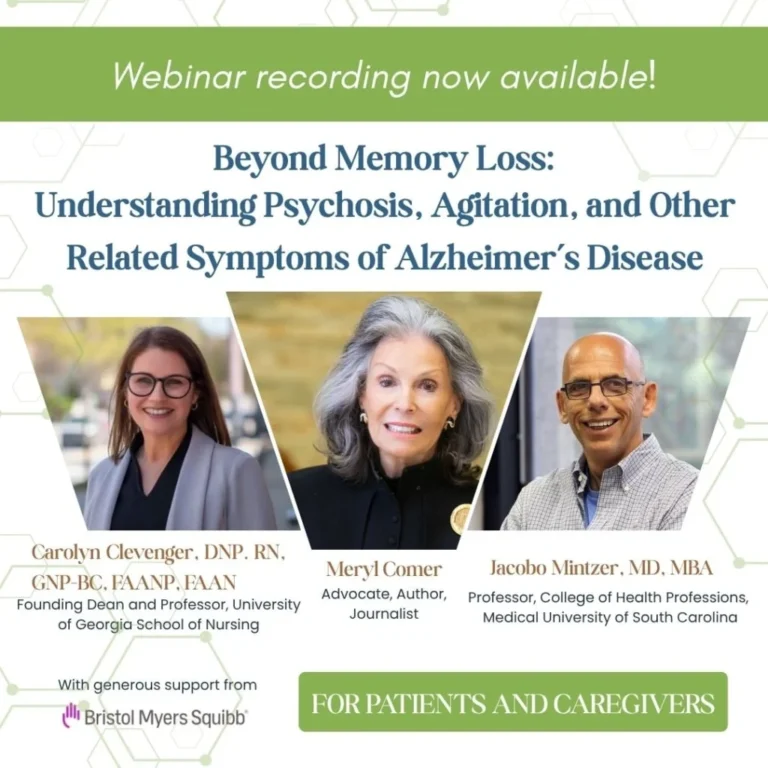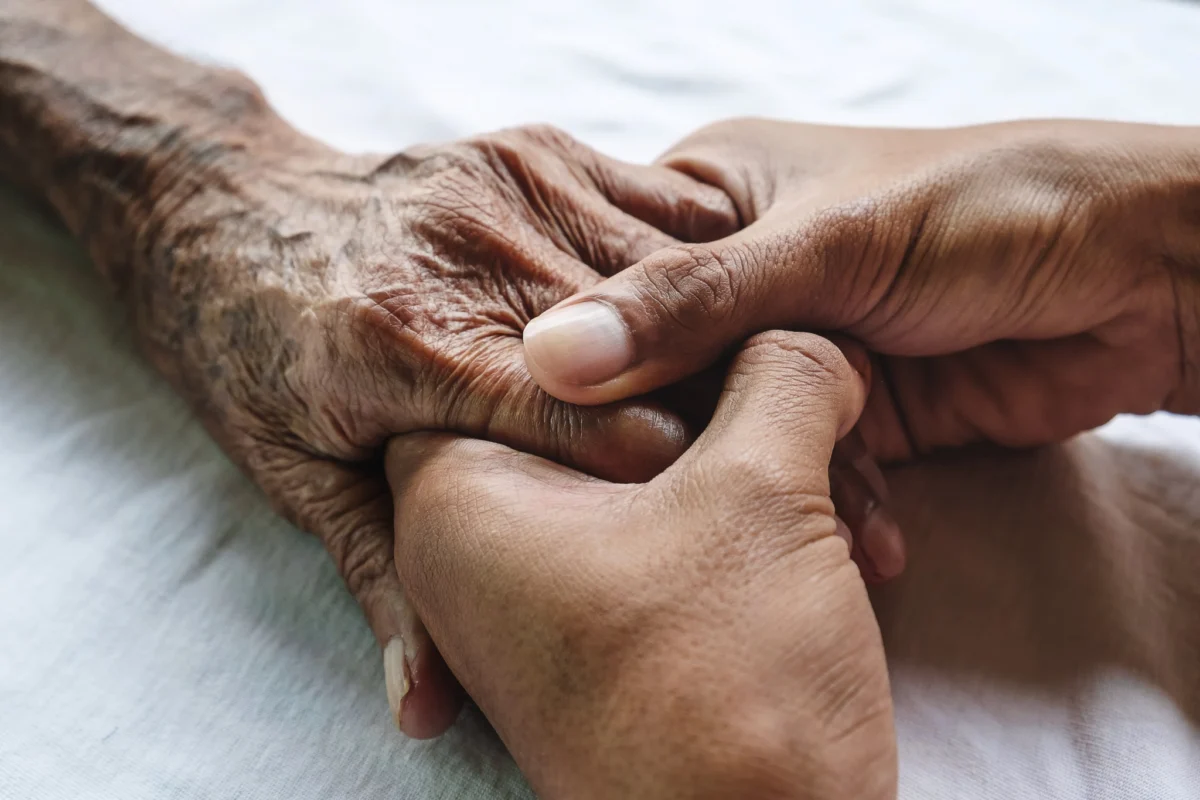
As June marks Alzheimer’s and Brain Awareness Month, the focus of the medical and advocacy communities is shifting. While clinical research often centers on the pathology of plaques and tangles, a growing movement is prioritizing the human experience of the disease—specifically, the often-overlooked realm of neuropsychiatric symptoms (NPS). For the millions of families navigating the uncertainty of an Alzheimer’s diagnosis, the challenge is not just memory loss; it is the complex, often volatile shift in personality, mood, and behavior that requires a new framework for care and compassion.
The Invisible Challenges: Understanding Neuropsychiatric Symptoms (NPS)
Alzheimer’s disease is frequently categorized in the public imagination as a disorder of memory. However, clinicians recognize a broader spectrum of symptoms known as neuropsychiatric symptoms (NPS). These include, but are not limited to, agitation, anxiety, depression, apathy, sleep disturbances, wandering, and profound personality changes.
These symptoms are not mere "side effects"; they are core manifestations of the disease. According to the Alliance for Aging Research, these behaviors often serve as the most distressing aspects of the condition for family members and caregivers. Unlike memory loss, which can be quantified through cognitive testing, NPS—such as sudden irritability or social withdrawal—directly disrupt the interpersonal connection between the person living with dementia and their loved ones.
The Chronology of Symptom Emergence
Recognizing the onset of Alzheimer’s is rarely a clear-cut event. The timeline of symptom progression often begins long before a clinical diagnosis is confirmed. Experts note that neuropsychiatric symptoms can manifest years before significant cognitive decline is documented.
- Pre-Clinical Phase: Early behavioral changes, such as mild sleep disturbances or subtle shifts in temperament, are often dismissed as "normal aging" or the stresses of daily life.
- Early Symptom Manifestation: As the disease progresses, these behaviors become more frequent. Apathy—the loss of motivation—may be mistaken for laziness, while anxiety may be attributed to a life transition.
- Clinical Integration: It is often only when these behaviors reach a point of crisis—such as dangerous wandering or persistent agitation—that families seek professional help, at which point the cumulative nature of the symptoms reveals the underlying dementia.
The Burden of Guilt and the Complexity of Grief
One of the most profound, yet rarely discussed, aspects of caregiving is the "hindsight bias" that plagues family members. When an Alzheimer’s diagnosis is finally rendered, many caregivers experience intense guilt. They look back at past behavioral changes and wonder, "Why didn’t I see this sooner?"
This guilt is compounded by the nature of the disease. Because symptoms like withdrawal or mood swings overlap with the natural stresses of life, it is remarkably easy to rationalize early warning signs. Experts emphasize that this is not a failure of the caregiver; it is a feature of a disease that masks itself in the guise of aging.
Furthermore, caregivers often face a unique form of "ambiguous loss." This is a grief process that occurs while the loved one is still physically present. As personality changes take hold, family members may find themselves mourning the person they knew, even as they provide care for the person currently in front of them. This duality—caring for someone who is simultaneously changing into someone else—is the emotional core of the Alzheimer’s journey.
Expert Insights: A Shift Toward Resolve
In an effort to equip families with more than just clinical data, the Alliance for Aging Research and the National Alliance for Caregiving recently co-hosted a webinar titled, “Caring Together: Empowering Families and Health Professionals with Tools for Better Neuropsychiatric Symptom Care.” The event highlighted the necessity of moving beyond a reactive care model.
Dr. Brent Forester, Psychiatrist-in-Chief and Chairman of Psychiatry at Tufts Medical Center, advocates for a fundamental shift in mindset. In his work, The Complete Family Guide to Dementia, Dr. Forester argues against the tendency to measure a loved one’s current state solely against their former self.
"We must learn to care smarter, not harder," Dr. Forester suggests. His approach emphasizes:

- Focusing on Residual Strengths: Instead of fixating on what has been lost, families are encouraged to identify what remains possible.
- Building Success-Oriented Routines: Creating environments where the person with dementia can experience moments of connection and competence.
- Resource Utilization: Recognizing that seeking help is a strength, not a sign of failure. Support networks, respite care, and educational resources are essential components of sustainable caregiving.
The Data on Caregiver Toll
The implications for the caregiver are significant. Research consistently demonstrates that caregivers who support individuals with NPS report higher levels of emotional exhaustion and burnout than those caring for individuals with purely cognitive impairments.
Data indicates that:
- Emotional Drain: The unpredictability of agitation or wandering creates a state of constant hyper-vigilance for the caregiver.
- Social Isolation: As personality changes alter a loved one’s ability to interact, caregivers often experience a contraction of their own social circles.
- The Necessity of Support: Studies show that when caregivers engage with support groups and educational tools, their capacity for resilience increases, leading to better outcomes for both the patient and the provider.
Implications for the Future of Care
The medical community is currently moving toward a more holistic view of Alzheimer’s treatment. This involves moving away from an exclusive focus on pharmaceutical interventions to manage NPS, and toward a comprehensive care strategy that includes:
1. Person-Centered Communication
Communication strategies must evolve alongside the disease. This means understanding that verbal arguments are often futile when the brain is struggling with executive function. Instead, non-verbal communication, validation therapy, and environmental modifications are prioritized.
2. Professional-Family Collaboration
Clinicians are increasingly being trained to listen to the "lived experience" of family caregivers. Because caregivers spend the most time with the patient, their observations are often the most accurate diagnostic tools available. Building a bridge between the clinical office and the home environment is crucial for effective symptom management.
3. Societal Awareness and Policy
There is a growing need for public policy that supports the "sandwich generation"—those caring for aging parents while managing their own careers and families. This includes advocating for greater access to respite care, mental health support for caregivers, and workplace policies that allow for the flexibility required to care for a loved one with dementia.
Conclusion: You Are Not Alone
The journey of Alzheimer’s disease is one marked by immense challenges, but it is also a testament to the endurance of the human spirit. While the road is often paved with frustration, fear, and grief, it is also frequently marked by moments of profound resilience and connection.
As we continue to advance our understanding of neuropsychiatric symptoms, the most vital lesson remains the simplest one: you are not alone. Whether you are a patient, a family member, or a professional caregiver, your experiences are part of a larger community of support. By fostering open conversations, utilizing available tools, and replacing guilt with resolve, we can redefine what it means to live with—and care for those living with—Alzheimer’s.
This June, let us honor the complexity of the Alzheimer’s experience. Let us commit to the idea that caring for the person means caring for the caregiver, and that through education and compassion, we can navigate the uncertainty together.
Lauren Belsky is the Development Coordinator at the Alliance for Aging Research. For more information on resources, webinars, and support networks regarding Alzheimer’s and dementia care, visit the Alliance for Aging Research website.