










As June marks Alzheimer’s and Brain Awareness Month, the focus of the medical and advocacy communities is shifting. While clinical research often centers on the cognitive decline associated with Alzheimer’s disease, a critical, often overshadowed dimension of the condition is coming to the forefront: the emotional and psychological toll of neuropsychiatric symptoms (NPS). For families and caregivers, the journey is rarely just about memory loss; it is a profound transformation of relationships, routines, and identity.
Understanding the Invisible Burden: What Are Neuropsychiatric Symptoms?
When we think of Alzheimer’s, we often visualize memory lapses or confusion. However, for many, the disease manifests first through behavioral and psychological changes. Neuropsychiatric symptoms, or NPS, are a cluster of behaviors that frequently accompany Alzheimer’s and related dementias. These symptoms include, but are not limited to, agitation, anxiety, depression, apathy, sleep disturbances, wandering, and significant personality shifts.
Unlike cognitive decline, which can be measured through standardized testing, NPS are often fluid and deeply personal. They do not arrive with a warning sign, and they rarely follow a predictable timeline. For a family member watching a loved one change, these symptoms can be jarring and confusing, leading to a sense of helplessness that is as debilitating as the disease itself.
Chronology of Care: From Initial Recognition to Long-Term Adaptation
The path from the first signs of Alzheimer’s to a formal diagnosis is rarely a straight line. It is typically a gradual process characterized by an evolving understanding of a loved one’s behavior.
The Phase of Subtle Shifts
In the early stages, family members often rationalize changes. A parent becomes more withdrawn, or a spouse begins to sleep in fragmented cycles. These behaviors are often dismissed as the normal consequences of aging, grief, or life stress. This period is marked by "hindsight guilt"—a common psychological weight carried by caregivers who later look back and wonder why they did not recognize the signs sooner.
However, experts emphasize that this is a natural human response. Because NPS often overlap with normal aging, it is clinically difficult to pinpoint them as dementia-related until they reach a threshold of frequency or severity.
The Diagnostic Threshold
As symptoms progress, the "gray areas" of behavior begin to align with a medical diagnosis. Medical professionals, such as Dr. Brent Forester of Tufts Medical Center, note that NPS can sometimes manifest even before significant cognitive impairment is documented. This creates a challenging environment where a person’s personality—the very essence of who they are—begins to shift before the family has even received a name for the underlying condition.
The Period of Mourning
Caregivers often experience a unique form of "ambiguous loss." This is the grief felt for a person who is still physically present but whose personality, habits, and familiar ways of interacting have begun to fade. This stage requires significant emotional labor, as family members learn to navigate a relationship that is fundamentally changing in real-time.
Supporting the Caregivers: Insights from the Alliance
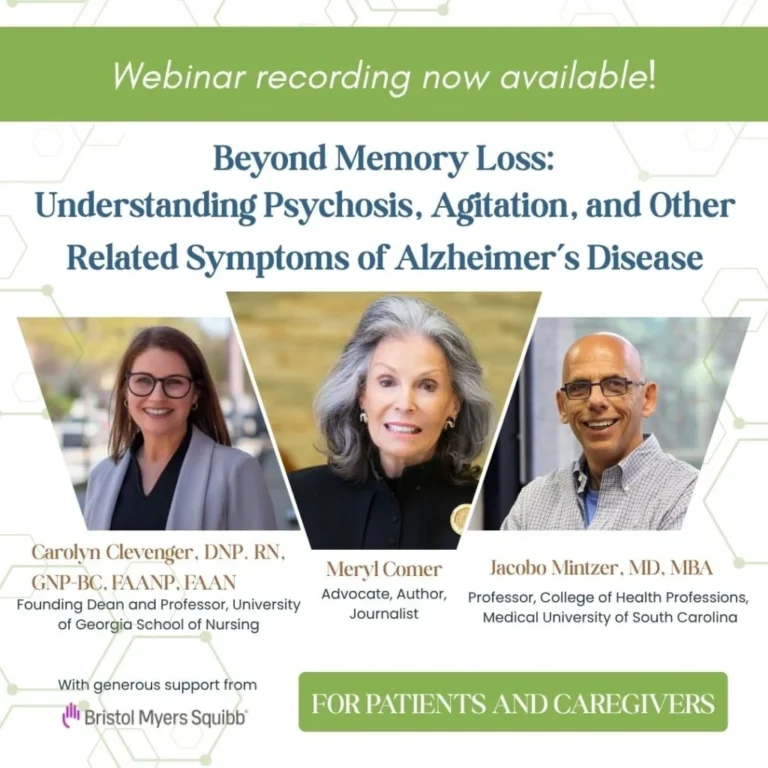
Earlier this year, the Alliance for Aging Research partnered with the National Alliance for Caregiving to host a vital webinar titled, “Caring Together: Empowering Families and Health Professionals with Tools for Better Neuropsychiatric Symptom Care.” The event brought together a diverse group of stakeholders, including researchers, clinicians, and—most importantly—caregivers who have lived through the intensity of these transitions.
The consensus from this assembly was clear: while clinical interventions are necessary, the emotional support of the caregiver is the backbone of dementia care. The webinar emphasized that caregivers must transition from a mindset of "fixing" to one of "adapting."

Shifting the Mindset: From Loss to Possibility
Dr. Brent Forester, a leading geriatric psychiatrist, has been instrumental in shifting the narrative around dementia care. In his book, The Complete Family Guide to Dementia, he introduces the concept of "smarter, not harder" care. This philosophy encourages families to:
- Identify Remaining Strengths: Stop measuring the patient against who they were yesterday. Instead, focus on the capabilities they retain today.
- Focus on Connection: If a conversation about current events is frustrating, shift to music, tactile activities, or shared silence. Connection does not always require words.
- Acknowledge Limits: Accepting that you cannot do everything is not an admission of failure; it is a prerequisite for sustainable caregiving.
Supporting Data: The Reality of the Caregiver Experience
The data surrounding Alzheimer’s caregiving is as sobering as it is vital. According to recent reports, the vast majority of caregivers for those with Alzheimer’s-related NPS report extreme emotional exhaustion.
- Emotional Toll: Over 70% of caregivers report that the behavioral symptoms of Alzheimer’s are more difficult to manage than the physical or cognitive symptoms.
- Social Isolation: Caregivers often withdraw from their own social circles to manage the unpredictable nature of NPS, which in turn increases their risk of depression.
- The Power of Education: Research consistently shows that caregivers who participate in support networks and receive education on NPS report higher levels of confidence and lower levels of stress. The ability to "de-personalize" a symptom—to understand that an outburst is a function of the disease rather than a character flaw—is the most effective tool a family can possess.
Implications for the Future of Care
As we look toward the future, the implications for healthcare systems and society are profound. We must move beyond a narrow, memory-focused definition of Alzheimer’s and integrate NPS management into the standard of care for all dementia patients.
Integrating Behavioral Health
Healthcare providers must be trained to recognize the early indicators of NPS. This includes asking caregivers specific, probing questions about mood, sleep, and behavioral changes during routine wellness visits. When these symptoms are addressed early, they can often be managed through environmental adjustments, medication reviews, or behavioral therapy, significantly improving the quality of life for both the patient and the caregiver.
Normalizing the Need for Help
A significant barrier to better outcomes is the "stigma of support." Many families view the hiring of home health aides or the joining of a support group as a sign that they are failing their loved ones. We must work to redefine these resources as essential components of a robust, sustainable care strategy. Seeking help is an act of proactive care, not surrender.
Conclusion: You Are Not Alone
The journey of Alzheimer’s disease is one of the most demanding experiences a family can face. It is characterized by deep uncertainty, recurring grief, and the exhausting, daily navigation of symptoms that defy simple explanation. However, as the Alliance for Aging Research continues to advocate for better education and more robust support systems, it is clear that there is also immense capacity for resilience.
The transformation of these negative emotions into "resolve"—the decision to move forward with grace, to seek out moments of connection, and to lean on support networks—is what defines the Alzheimer’s community. Whether you are currently in the thick of the diagnostic process, managing the complexities of daily care, or supporting someone else through this transition, remember that these feelings are valid and shared.
As we observe Alzheimer’s Awareness Month, let us commit to holding space for these difficult conversations. By fostering an environment of compassion and equipping ourselves with the right tools, we can ensure that no family walks this path in isolation. The symptoms of Alzheimer’s may be challenging, but they do not define the limits of our love or our ability to provide meaningful, dignified care.
Lauren Belsky is a Development Coordinator at the Alliance for Aging Research, an organization dedicated to accelerating the pace of scientific discovery and improving the lives of older adults.