For decades, the global health narrative has been dominated by a singular villain: refined sugar. In response, the food industry has pivoted toward a vast array of sugar substitutes, marketing them as guilt-free alternatives for the health-conscious and the diabetic alike. From the bright packets of aspartame to the ubiquitous presence of sugar alcohols like sorbitol in "low-calorie" gums and protein bars, these additives have become a staple of the modern diet.
However, a burgeoning body of research is beginning to dismantle the assumption that these alternatives are biologically inert. A groundbreaking study recently published in Science Signaling by researchers at Washington University in St. Louis suggests that sorbitol, in particular, may be far more metabolically active—and potentially harmful—than previously believed. The findings challenge the long-held dogma that sugar alcohols simply pass through the digestive tract without consequence, suggesting instead that they may trigger a cascade of events in the liver that mirrors the very health risks consumers are trying to avoid.
The Metabolic Connection: One Step From Fructose
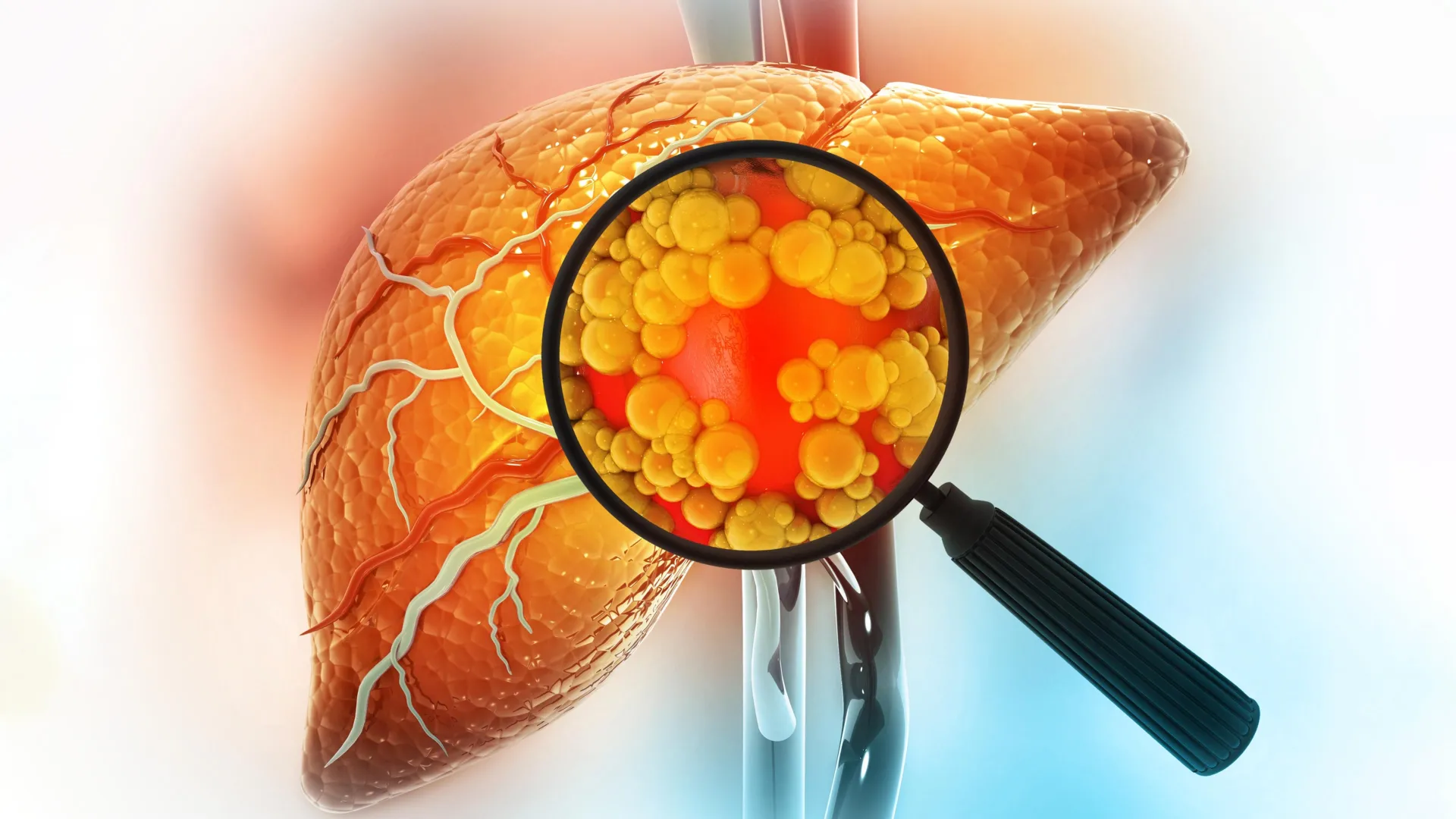
The research, led by Gary Patti, the Michael and Tana Powell Professor of Chemistry, Genetics, and Medicine at WashU Medicine, focuses on the metabolic pathways that link common sugar alcohols to liver dysfunction. Patti’s laboratory has long been at the forefront of investigating fructose metabolism. His previous work established that the breakdown products of fructose can be hijacked by cancer cells to accelerate tumor growth and are significant drivers of steatotic liver disease—a condition characterized by fat accumulation in the liver, which currently affects nearly 30% of the global adult population.
The new study identifies a critical metabolic bridge between sorbitol and fructose. According to Patti, sorbitol is essentially "one transformation away from fructose." This biochemical proximity means that when the body processes sorbitol, it can easily convert it into a fructose derivative. Consequently, the metabolic stressors long associated with high-fructose diets—including inflammation and hepatic fat storage—may also be present in those who consume high levels of sorbitol, even if they believe they are avoiding "sugar."
Chronology of a Discovery: From Diabetic Markers to Daily Consumption
Historically, the scientific community’s interest in sorbitol was largely confined to the context of diabetes. In patients with uncontrolled blood glucose levels, the body’s metabolic pathways are pushed to their limits.
- The Diabetes Link: Scientists identified an enzyme in the body that converts glucose into sorbitol. Because this enzyme has a relatively low affinity for glucose, it generally remains dormant unless blood sugar levels spike significantly. Consequently, high levels of sorbitol in the body were viewed as a biological "smoking gun" for diabetes, rather than a byproduct of healthy dietary choices.
- The Zebrafish Model: Seeking to understand whether this process occurs outside of clinical diabetes, Patti’s team utilized zebrafish as a model organism. By tracing the movement of sorbitol throughout the animals’ bodies, the researchers made a startling discovery: diabetes is not a prerequisite for significant sorbitol production.
- The Intestinal Factory: The study revealed that even in healthy subjects, the high concentrations of glucose present in the gut after a standard meal are sufficient to trigger the intestinal production of sorbitol. This suggests that the body is internally manufacturing a compound that researchers previously assumed was only an exogenous additive.
Supporting Data: The Role of the Microbiome
The most intriguing aspect of the study lies in the role of the gut microbiome. The researchers found that the fate of sorbitol—whether it remains in the gut to be expelled or travels into the bloodstream to reach the liver—is largely determined by the specific bacterial colonies residing in the intestine.
The Protective Filter
Certain strains of bacteria, specifically Aeromonas, appear to act as a metabolic gatekeeper. These bacteria consume sorbitol, breaking it down into harmless byproducts before it can be absorbed by the host. In individuals with a diverse and healthy microbiome, this "microbial cleanup" prevents the sugar alcohol from ever reaching the liver.
The Breakdown of Defense
The crisis occurs when the protective bacteria are absent, or when the sheer volume of sorbitol overwhelms the gut’s capacity to process it. The researchers noted that:
- High Glucose Intake: A diet heavy in refined carbohydrates triggers the intestine to produce more sorbitol internally.
- High Additive Intake: The frequent consumption of processed foods, "sugar-free" snacks, and protein bars containing added sorbitol adds to this "total load."
- Overwhelmed Microbes: When the combined volume of internally produced and consumed sorbitol exceeds the degradation capacity of the gut bacteria, the excess spills over into the systemic circulation, eventually finding its way to the liver.
"If you don’t have the right bacteria, that’s when it becomes problematic," Patti explained. "Because in those conditions, sorbitol doesn’t get degraded, and as a result, it is passed on to the liver."
Official Perspective and Clinical Implications
The implications of this research are profound for the food industry and public health policy. For decades, "sugar-free" labels have provided a sense of security to patients with metabolic disorders, including type 2 diabetes and obesity. These consumers often opt for sweeteners to circumvent the liver-stressing effects of table sugar.
Patti’s findings suggest that this "free pass" may be an illusion. The study confirms that sorbitol does not remain confined to the digestive tract; researchers observed it in tissues throughout the bodies of the animal models. This systemic circulation means that the metabolic "tax" of consuming these sweeteners may be far more widespread than previously estimated.
The "No Free Lunch" Philosophy
The study serves as a sobering reminder of the complexity of human metabolism. As food science advances, the focus has shifted from calorie counting to understanding the specific pathways by which nutrients—and their substitutes—interact with human biology.
"There is no free lunch," says Patti, reflecting on the trend of replacing one chemical additive with another. "When you look at the multiple metabolic pathways that lead to liver dysfunction, it becomes clear that swapping sugar for a substitute is not a simple solution. We are dealing with a complex system where gut health, diet, and metabolic rate are inextricably linked."
Conclusion: Navigating the Future of Sweeteners
The shift in our understanding of sorbitol highlights a broader lesson: the substitution of ingredients does not equate to the elimination of metabolic consequences. As the food industry continues to reformulate products to meet the demand for "low-sugar" options, the responsibility for scrutiny shifts back to the scientific community and the consumer.
The researchers at Washington University emphasize that while fruits containing natural sorbitol are generally safe due to the presence of fiber and lower concentrations, the concentrated doses found in processed foods present an entirely different metabolic challenge.
Moving forward, the focus of the Patti lab will be on identifying the precise mechanisms by which gut bacteria degrade sorbitol and determining how individual microbial profiles can be optimized to protect the liver. For now, the takeaway is clear: the path to metabolic health is unlikely to be found in the ingredient list of a sugar-free candy bar. As our understanding of the gut-liver axis deepens, it is becoming increasingly evident that the best approach to health is not to find a "better" sugar, but to fundamentally reconsider our reliance on sweetness itself.
This research was supported by the National Institutes of Health, grants R35ES028365 (G.J.P.) and P30DK056341 (S.K.).