





For many adults over the age of 55, the traditional "gym class" model—often characterized by rigid scheduling, complex equipment, and high-impact floor work—becomes increasingly difficult to maintain. Yet, the physiological changes that accompany aging, particularly the tendency for adipose tissue to accumulate around the midsection, make consistent movement more critical than ever.
As a fitness coach, I have found that the most successful clients are not the ones who spend hours in a boutique fitness studio, but rather those who integrate "incidental fitness" into their daily home routines. By utilizing standing exercises, you engage your core stabilizers, enhance balance, and boost metabolic demand without the barriers of a gym commute or the physical discomfort of getting up and down from the floor.
The Science of Standing: Why Verticality Matters
Standing exercises do more than just build muscle; they force the body to operate as a singular, integrated unit. When you perform exercises while vertical, your core—the body’s natural corset—must engage constantly to maintain posture, manage weight distribution, and facilitate movement.
Research published in The Journal of Strength and Conditioning Research underscores that functional, weight-bearing movements are superior for metabolic health in aging populations compared to sedentary or seated exercises. By keeping your feet planted, you are training your body for real-life stability while simultaneously addressing the "belly pooch"—a common concern driven by a combination of hormonal shifts, reduced muscle mass, and metabolic slowing.
Chronology of a High-Efficiency Routine
To see physical changes in your waistline, consistency is the primary driver. The following routine is designed to be completed in 15 to 20 minutes, three to four times per week.
1. Reverse Lunge to Knee Drive
This move is the cornerstone of lower-body stability. By stepping backward, you place the load on your glutes and quads while protecting your knees. The addition of a "knee drive"—pulling your knee toward your chest—forces the deep abdominals to contract violently to stabilize your torso.
- The Movement: Step back into a lunge. As you return to standing, drive the back knee up toward your chest.
- Why it works: It combines a stretch for the hip flexors with a crunch-like contraction for the lower abs.
- Pro Tip: If balance is a concern, keep one hand on a kitchen counter or a sturdy chair back.
2. Box Step-Ups
Step-ups are the ultimate functional movement, mimicking the act of climbing stairs—a task that becomes increasingly difficult if not practiced.
- The Movement: Place one foot on a low, sturdy step or box. Drive through the heel of the lead foot to stand tall, bringing the trailing knee up.
- Why it works: This is a unilateral (single-side) exercise, which exposes and corrects muscle imbalances, forcing the core to work harder to prevent you from wobbling.
- Pro Tip: Choose a height where your knee does not go above your hip; if you feel yourself pushing off the bottom foot, the box is too high.
3. Controlled Squat Jumps
While "jump" sounds intimidating, the version recommended here is a low-impact, rhythmic movement designed for cardiovascular conditioning.
- The Movement: Lower into a shallow squat, then explode upward into a tiny hop, landing softly on the balls of your feet.
- Why it works: This adds an element of power and high heart-rate training, which is essential for burning visceral fat.
- Pro Tip: If impact is an issue, replace the jump with a rapid-fire calf raise.
4. High Knees (The Marching Variation)
This is an excellent way to elevate the heart rate quickly without the need for equipment.
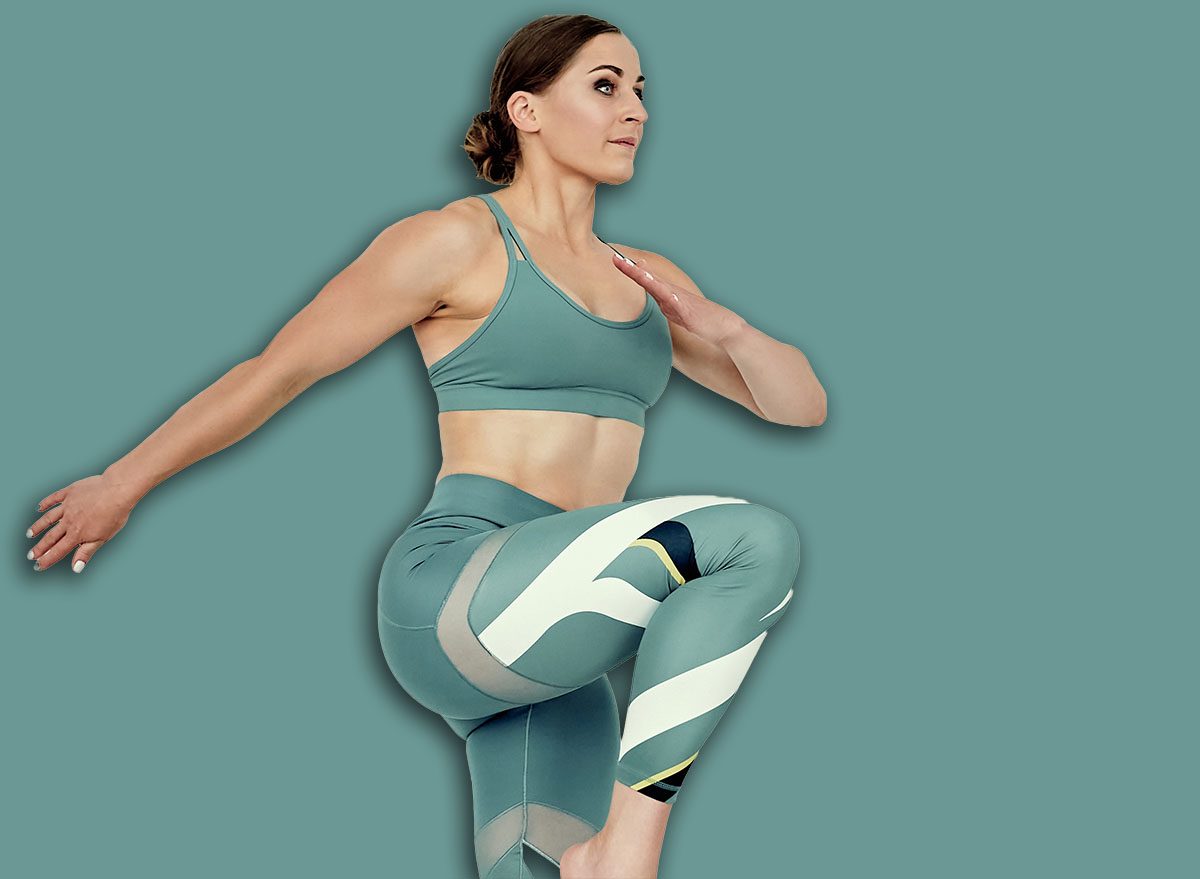
- The Movement: March in place, lifting your knees toward your chest while keeping your torso perfectly upright.
- Why it works: By keeping your posture tall, you recruit the transverse abdominis—the deepest layer of your core.
- Pro Tip: Increase the speed to turn this into a high-intensity interval training (HIIT) session.
5. Dumbbell Squat to Press
This is the ultimate "bang for your buck" exercise. It combines a lower-body squat with an overhead shoulder press.
- The Movement: Hold light dumbbells at shoulder height. Squat down, and as you stand, press the weights toward the ceiling.
- Why it works: It forces the core to act as a bridge between your legs and your arms, creating a full-body caloric burn.
- Pro Tip: Keep your core braced as if someone is about to punch you in the stomach during the press.
Supporting Data: The Role of Lifestyle
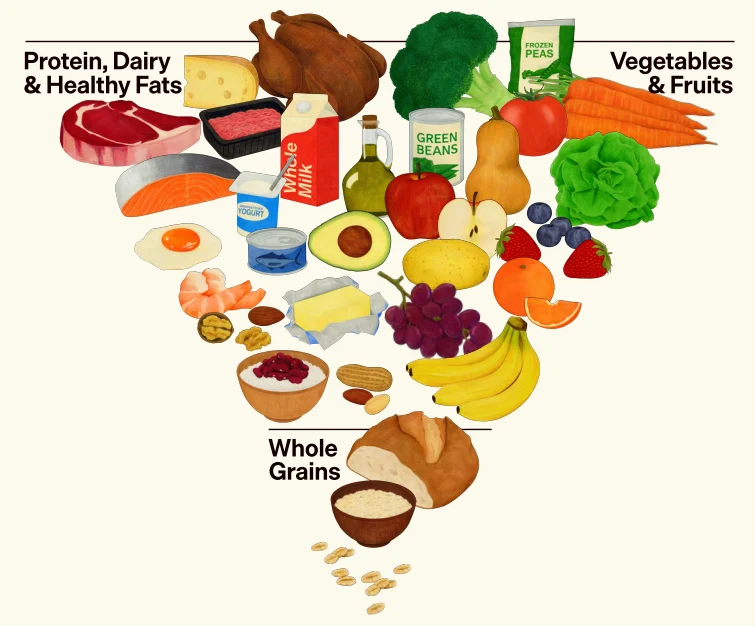
While these movements stimulate muscle growth and fat oxidation, the "visual change" around the waist is a result of a wider metabolic strategy. Data from the National Institutes of Health suggest that for individuals over 55, exercise alone is often insufficient to reduce belly fat unless paired with a high-protein diet.
Protein intake is vital during this life stage to prevent sarcopenia (muscle wasting). When you combine protein-rich meals with these standing exercises, you preserve lean muscle mass, which in turn keeps your metabolism higher at rest. Furthermore, the inclusion of daily walking—outside of this specific workout—is recommended to manage cortisol levels. High cortisol, often triggered by stress or overtraining, is directly linked to fat storage in the abdominal region.
Official Perspectives on Aging and Movement
Geriatric fitness experts emphasize that "movement snacks"—short, frequent bursts of activity throughout the day—are often more effective for the over-55 demographic than a single, grueling workout. The psychological benefit of removing the barrier to entry (the "gym class" hurdle) allows for a higher compliance rate. When exercise becomes a simple, standing routine that can be done while waiting for the coffee to brew, it shifts from a chore to a habit.
Implications for Longevity
The implications of this training style go far beyond the aesthetic goal of shrinking a belly pooch. By focusing on stability, power, and coordination, you are effectively "bulletproofing" your body against falls and frailty—the two most significant threats to independent living in later years.
The goal is not to punish the body into submission, but to provide it with the stimulus it needs to stay functional. The core, once weakened by years of sedentary habits, can be reclaimed through consistent, upright tension.
Implementation Strategy:
- Start Small: Begin with two sets of each exercise, two days a week.
- Monitor Progress: Note your energy levels and the ease with which you move through your daily chores.
- Protein First: Ensure every meal contains at least 25-30 grams of protein to support the muscle tissue you are training.
- Hydration: Maintain optimal hydration to support joint health and metabolic function.
By moving your workout from the floor to a standing position, you align your fitness goals with the realities of aging, ensuring that you remain active, strong, and confident for decades to come. Consistency remains the "secret" to results; these five moves provide the structure, but your commitment to the daily practice will provide the transformation.